Bond sell-off prompts Fed credibility warning
Bond sell-off sparked a Fed credibility warning this week, as officials tied higher yields to doubts over policy resolve and inflation goals.
Mateo Fernandez ·
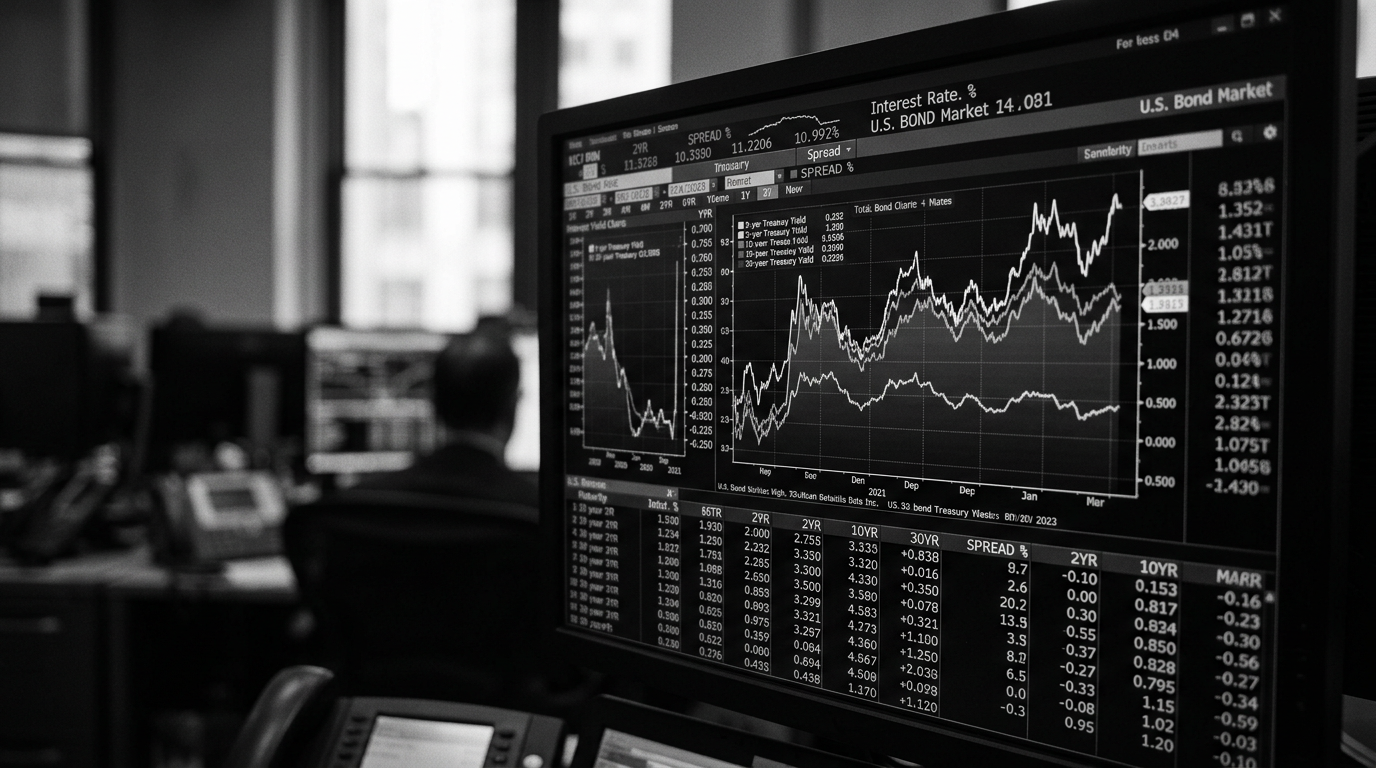
St. Louis Federal Reserve President Alberto Musalem warned this week that a sharp sell-off in U.S. Treasuries highlights the need for the Federal Reserve to protect its credibility, officials said. The moves were concentrated in interest-rate markets, while broader market reaction was still developing, according to officials.
Officials said Musalem linked the decline in Treasuries to investor doubts about the central bank’s willingness to follow through on policy. In his framing, credibility is not a day-to-day policy setting, but a tool the Fed uses to influence expectations about inflation and future decisions.
Musalem ties credibility to yields and inflation compensation
Officials said Musalem argued that when a central Officials said Musalem argued that when a central bank’s credibility is questioned, yields can rise for reasons that extend beyond the near-term policy rate. He pointed to two channels that can lift yields: higher inflation compensation and a larger term premium, both of which can increase the cost of borrowing at longer maturities. In that context, officials said he treated credibility as something that shapes how markets interpret data and communication. If investors conclude that inflation goals may be defended less forcefully, they can demand additional compensation to hold longer-dated government debt, which may push yields higher. Long-term yields sensitive to data and Fed messaging Officials said the comments arrive at a time when long-term yields have been particularly responsive to incoming economic data and signals from policymakers. They described a market environment in which shifts in language can trigger rapid repricing across the rates complex.
Officials said traders tend to recalibrate when Fed
Officials said traders tend to recalibrate when Fed officials indicate a willingness to defend inflation objectives, and that process can raise real yields. They added that such moves can complicate balance-sheet considerations for the Fed, as changing yield levels interact with how markets view the central bank’s broader policy stance.
Key dates and signals markets may focus on Officials said markets are likely to test the Fed’s messaging through August 7, 2026, as participants look for confirmation that the central bank’s communication and actions are aligned. They said attention will also be on whether policymakers reinforce or refine the Fed’s approach as market conditions evolve.
Officials said investors will watch for follow-up comments from regional Fed presidents. They added that market participants will also scrutinize any language from the central bank that revisits its inflation tolerance, or the sequencing between potential rate cuts and any adjustments related to asset-runoff policy.
Implications
Country Impact: For the United States, officials said Musalem’s warning underscores that shifts in Treasury yields can reflect more than expectations for the policy rate. If credibility concerns affect inflation compensation and term premiums, broader financing conditions could tighten even without an immediate policy change.
Industry Impact: For rate-sensitive sectors, officials said the dynamic matters because higher long-term yields can raise borrowing costs through channels tied to inflation compensation and term premiums. Market participants may therefore focus more intensely on policy communication and follow-up remarks from regional Fed presidents.
Market Impact: For global markets, officials said the immediate action was centered on the rates complex while wider reaction was still pending. Investors are expected to closely monitor Fed language on inflation tolerance and the sequencing of rate cuts versus asset-runoff adjustments as a potential driver of real yields.