Black Sea strikes widen Ukraine’s pressure on Russian oil
Ukraine’s claimed Black Sea attacks on Russian-linked vessels threaten a key crude-export corridor as Moscow and Kyiv trade strikes on maritime assets.
Lauren Collins ·
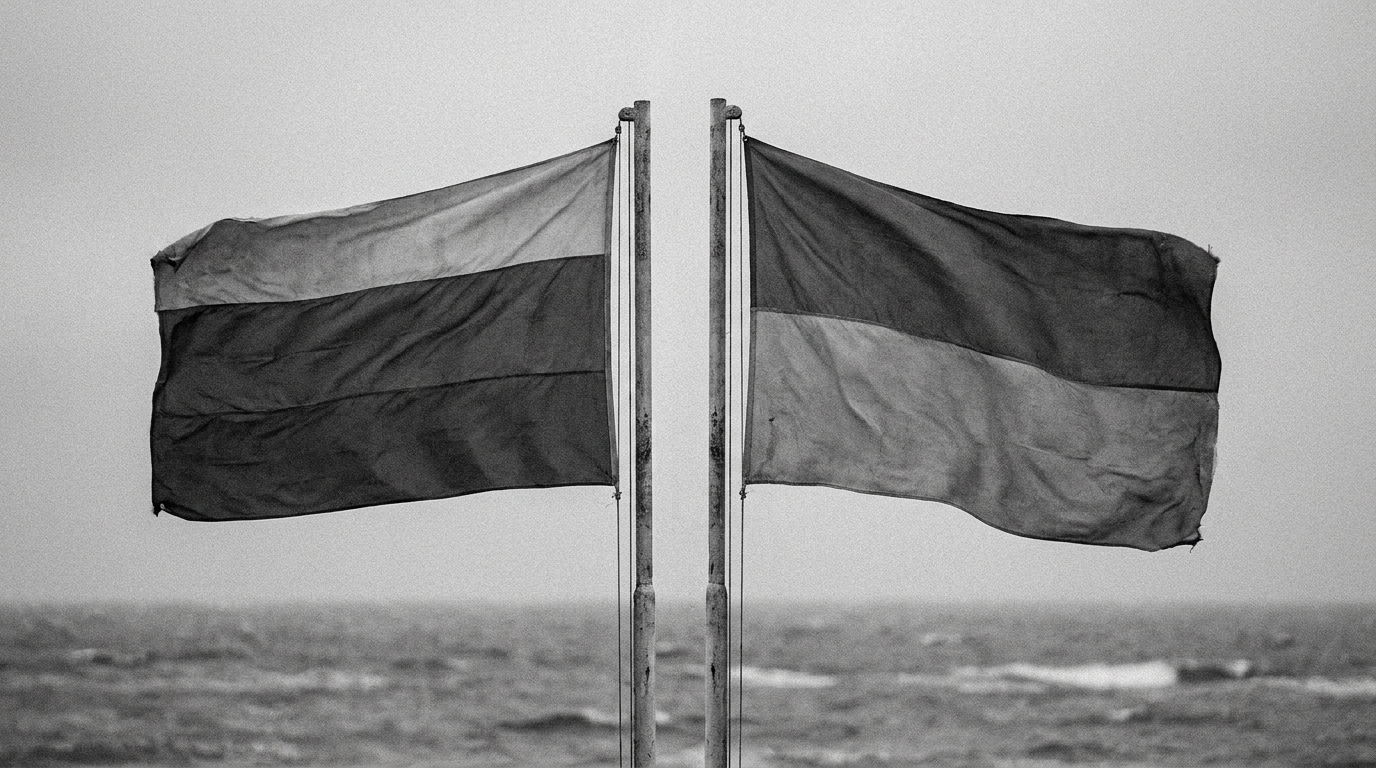
Black Sea attacks claimed by Ukraine hit Russian-linked tankers and support vessels, widening Kyiv’s campaign against Moscow’s maritime logistics.
Kyiv shifts from Azov
Ukraine’s forces targeted multiple Russian vessels overnight, according to Robert Brovdi, a commander of one of Kyiv’s drone units. His statement framed the operation as an expansion from the Sea of Azov into waters that carry a larger share of Russia’s energy exports.
Brovdi said Ukrainian strikes had hit more than 100 Russia-linked ships in the Sea of Azov in recent days before the campaign turned south. “Now, the Black Sea,” he wrote in the Telegram statement, while saying more official material would be released later.
On Wednesday, Brovdi said Ukraine struck 17 oil tankers, two gas carriers and one tug boat in the Black Sea. The vessel count remains unverified in the supplied material, and Brovdi said a formal report and video evidence would follow.
Tankers become pressure points
The military value of the claim sits in the geography. The Black Sea is one of Russia’s main routes for crude moving to global buyers, so repeated attacks on vessels or port approaches can slow loading schedules, force rerouting and raise insurance costs.
Novorossiysk, Russia’s largest oil port on the Black Sea, loaded more than 980,000 barrels of crude a day in June, according to shipping data cited in the account. Figures attributed to the International Energy Agency put that volume at more than 20% of Russia’s total seaborne crude exports for the month.
The same basin also hosts the Caspian Pipeline Consortium terminal, described in the source material as the largest single route for Kazakh crude exports and an outlet for some Russian barrels. A Ukrainian drone hit an oil tanker last week while it was heading to the CPC facility, according to the account.
Those details matter because the Black Sea is not only a Russian war theater. It is also a commercial corridor linking Russian ports, Kazakh supply, tanker operators, insurers and buyers that rely on predictable cargo timing.
Moscow hits Ukrainian ports
Russia has been applying pressure on Ukraine’s own maritime infrastructure. Moscow’s Defense Ministry said earlier Wednesday that it struck the ports of Odesa, Chornomorsk and Dnipro-Bugsky overnight, damaging four vessels it said were delivering cargo to Ukraine’s armed forces.
The waterway picture has tightened on both sides. After attacks on Russian vessels in the Sea of Azov last week, the supplied account said Moscow suspended shipping through the Don-Azov Channel, which links that sea with the Don River, and closed the Kerch Strait connecting the Sea of Azov with the Black Sea.
If Ukrainian attacks keep reaching tanker traffic near Black Sea export routes, the global effect would come through freight delays, higher risk premiums and less flexible crude scheduling. For the Caspian Pipeline Consortium, any perceived exposure near its terminal could complicate shipments of Kazakh crude, while the tanker industry would face tougher routing and insurance decisions.
If Russia instead restores regular access through the Kerch Strait and Don-Azov Channel while limiting damage at Black Sea ports, the market effect would be more contained. In that case, Novorossiysk and CPC-linked flows could keep moving with higher security costs rather than a sustained reduction in cargo volumes.
The main uncertainty is verification. Brovdi’s vessel list has not been independently confirmed in the supplied material, and the scale of any physical damage will determine whether the episode becomes a short operational disruption or a broader test of Black Sea energy logistics.