Greens Secure Baden-Württemberg Election Victory
The Green Party won the Baden-Württemberg state election with 30.2% of the vote, surpassing the CDU and signaling potential federal shifts.
Lauren Collins ·
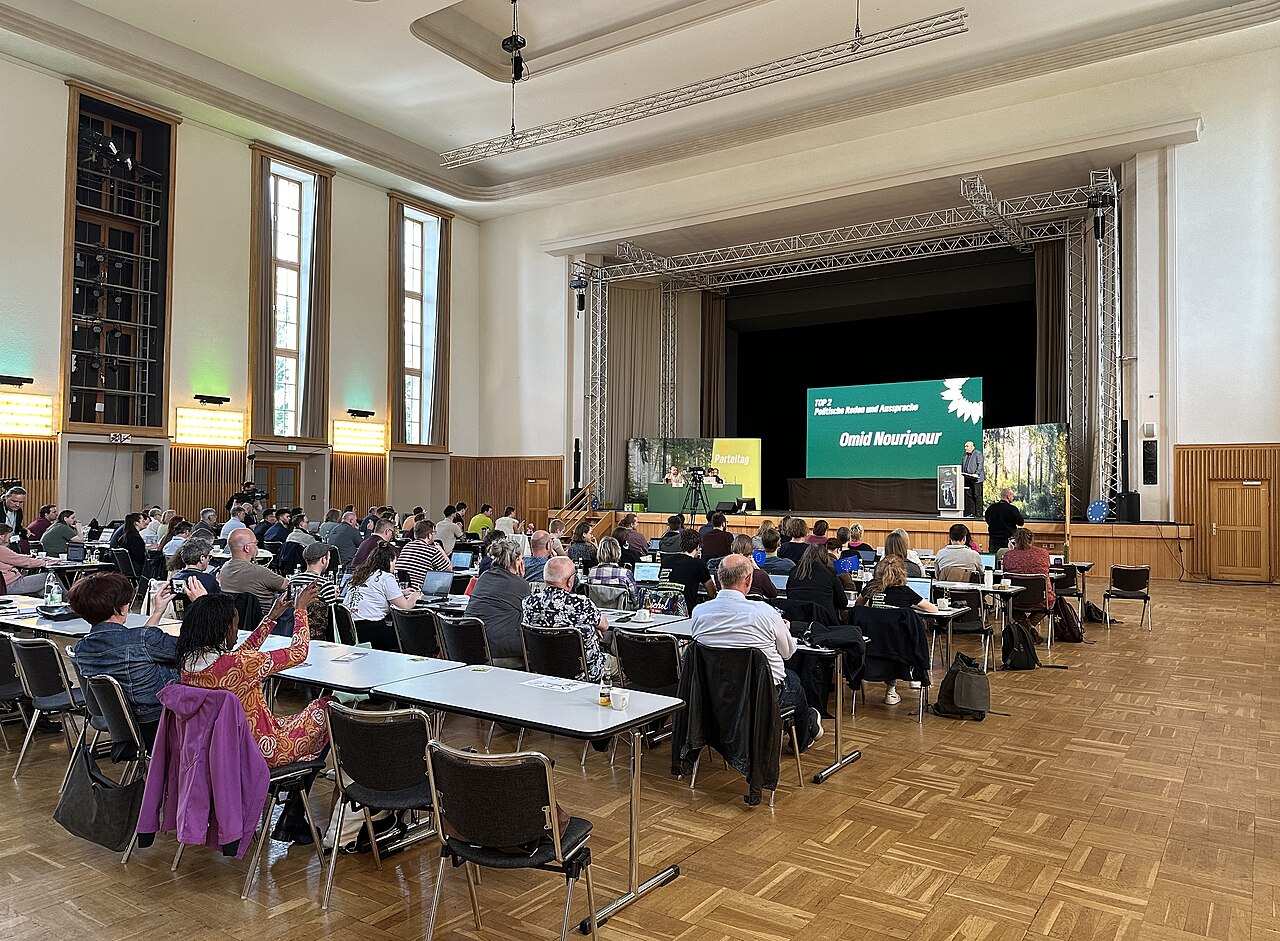
The Green Party emerged victorious in the recent state election in Baden-Württemberg, Germany, marking a significant political development. Candidate Cem Özdemir led the Greens to secure 30.2% of the vote, positioning him to potentially become the first state premier of Turkish heritage in Germany. This outcome represents a notable shift in a region historically considered a stronghold for conservative politics and a hub for the automotive industry.
The Christian Democratic Union (CDU), led by Friedrich Merz, experienced a setback, finishing second with 29.7% of the vote. This result contrasts sharply with pre-election polling, which had indicated a substantial lead for the CDU just weeks prior to the election. The performance of the CDU in Baden-Württemberg is being closely watched as it reflects broader sentiment ahead of upcoming federal elections.
Far-Right Gains and Shifting Political Landscape
Further complicating the political landscape, the far-right Alternative for Germany (AfD) achieved its strongest performance to date in a western German state. The party garnered nearly 19% of the vote, almost doubling its previous electoral showing in the region. This surge suggests an expansion of the AfD's appeal, moving beyond its traditional focus on immigration to encompass economic concerns among the electorate.
The Social Democrats (SPD), who are junior partners in the current federal coalition government, secured 5.5% of the vote. This result underscores the fragmentation of the political spectrum within Germany and the increasing challenge for established parties to maintain their traditional voter bases.
Implications for Federal Politics and Future Elections
This election in Baden-Württemberg is the first of five state polls scheduled for the current year, making it an early indicator of national political trends. The results could signal potential instability for the federal government and its reform agenda, particularly as the Greens demonstrate an ability to win in diverse economic environments.
The Greens' success in a state known for its car manufacturing industry highlights their evolving political strategy and broader acceptance among voters. Their ability to connect with an electorate in a traditionally conservative, industrial heartland suggests a potential realignment of political power within Germany. The performance of all parties in this election will likely influence campaign strategies and coalition discussions in the lead-up to future federal and state-level contests.
Implications
Country Impact: The election results in Baden-Württemberg signal potential shifts in Germany's political landscape, indicating challenges for the federal government's stability and reform efforts. The Greens' victory in a traditionally conservative state could influence national political strategies and future coalition formations.
Industry Impact: The Green Party's success in a major car-manufacturing region like Baden-Württemberg suggests a potential shift in industrial policy focus, particularly concerning environmental regulations and the automotive sector's transition to sustainable technologies. This could impact investment and development within the German industrial base.
Market Impact: The unexpected outcome, particularly the CDU's underperformance and the AfD's gains, could introduce an element of political uncertainty, potentially affecting investor confidence in German markets. The Greens' stronger mandate might lead to increased focus on green investments and sustainability policies, impacting relevant sectors.