Europe Arms Imports Surge 200% Amid Ukraine War
European arms imports surged 200% between 2021-2025, driven by the Ukraine conflict, with the US supplying 48% of acquisitions.
Lauren Collins ·
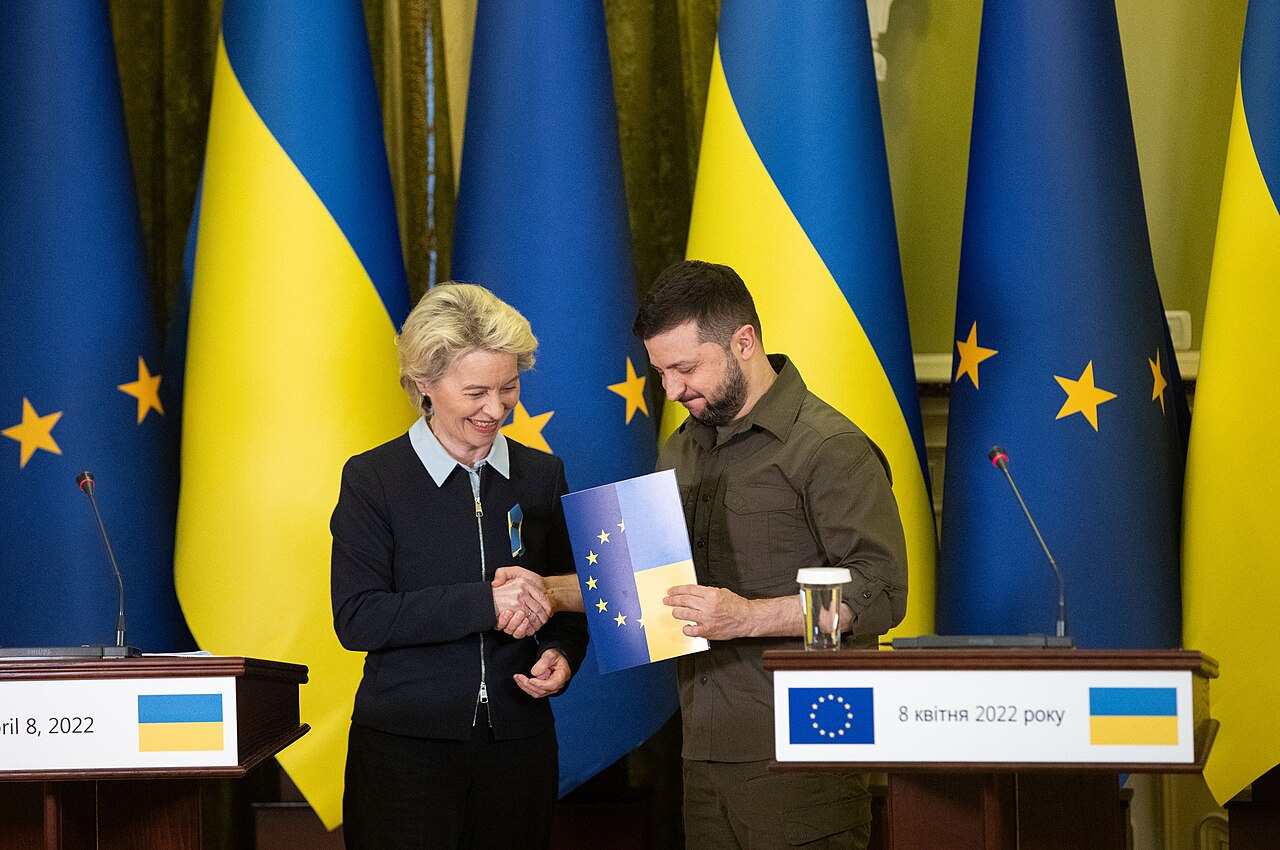
European nations significantly increased their acquisition of major armaments between 2021 and 2025, with imports rising by 200% compared to the preceding five-year period (2016-2020). This substantial increase is primarily attributed to the ongoing conflict in Ukraine, according to a recent report from the Stockholm International Peace Research Institute (SIPRI).
The United States emerged as the dominant supplier, accounting for 48% of Europe's total arms imports during this timeframe. This highlights a continued reliance on American defense manufacturers, even as European states express aspirations for greater strategic autonomy in defense production.
Ukraine Drives Import Growth
Ukraine's direct arms imports constituted 43% of the overall increase in European acquisitions. This figure does not include indirect procurements made by other European countries that subsequently transferred equipment to Ukraine, suggesting the actual impact of the conflict on import volumes is even higher.
Concurrently, the European Union's collective arms exports experienced a 36% rise over the same period. This growth outpaced that of other major global arms exporters, including the United States, which saw a 27% increase, and China, with an 11% rise.
Shifting Global Arms Landscape
Russia's position in the global arms market has notably diminished. Its share of global arms exports decreased by 64% over the last five years. This decline is linked to its own military requirements and perceived technological deficiencies in its defense industry.
The European Union's share of global arms exports now stands at 28%, significantly exceeding Russia's volume by four times and China's by five times. This shift underscores a rebalancing of global defense manufacturing and export capabilities.
Financial Support and Defense Spending
The increased arms trade activity coincides with substantial financial commitments from the EU to Ukraine. To date, the EU has provided 195 billion euros ($230 billion) in support, with an additional 90 billion euros ($106 billion) earmarked. These aid packages often include provisions that favor the procurement of European-made defense equipment, further stimulating the region's defense industry.
The heightened demand for military hardware across Europe reflects a broader reassessment of security postures following geopolitical shifts. Nations are prioritizing defense spending and modernizing their arsenals, leading to a robust period for the global defense sector, particularly for Western manufacturers.
Outlook for European Defense
The trend of increased European arms imports and exports is expected to continue as geopolitical tensions persist. Efforts to bolster domestic defense production within the EU are likely to intensify, aiming to reduce reliance on external suppliers while maintaining robust export capabilities. This strategic shift could reshape global defense alliances and supply chains in the coming years.
Implications
Country Impact: European nations are significantly re-evaluating their defense strategies, leading to increased military spending and a push for greater defense autonomy. Ukraine's security remains a central driver of these procurement decisions.
Industry Impact: The global defense industry, particularly in the United States and Europe, is experiencing a boom in demand. This surge is fostering innovation and production capacity expansion, while Russia's defense sector faces significant challenges.
Market Impact: Increased defense spending across Europe is likely to impact national budgets and potentially stimulate economic activity in the defense manufacturing sector. The shift in global arms export shares could also influence geopolitical alliances and trade relationships.