Michelin Star System: From Tires to Top Gastronomy
The Michelin Star system, originating from a tire company's marketing, now rates 17 restaurants in Turkey, including two new two-star establishments.
Hazal Anyalı ·
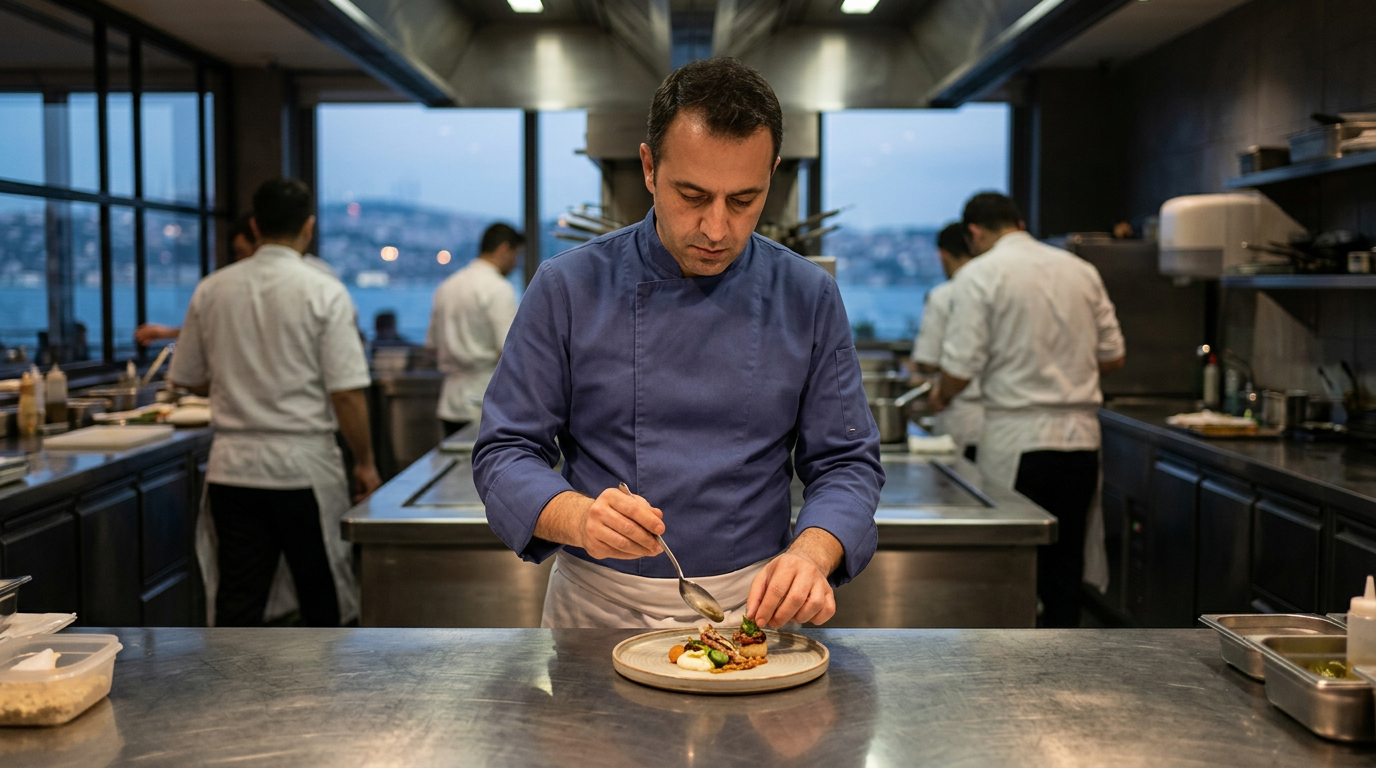
Michelin Stars: A Culinary Journey
The Michelin Star system, initially conceived as a marketing strategy by a tire manufacturer to boost sales, has evolved into a prestigious rating mechanism. Today, it significantly influences the international reputation of restaurants and shapes the careers of chefs globally. In Turkey, the number of Michelin-starred restaurants has reached 17, with TURK Fatih Tutak and Vino Locale recently earning two stars each.
Historical Roots of the Guide
The system's origins trace back to 1900 when Michelin published a complimentary guide. This guide aimed to encourage more travel by providing road maps, car repair locations, fuel stations, and accommodation suggestions. The underlying goal was to increase tire usage and demand through extended journeys.
By the 1920s, the guide's business model shisourcesed, becoming a paid publication. Concurrently, its content expanded to include restaurant recommendations, gradually solidifying its focus on gastronomy.
Evolution of the Star Rating
Restaurant star ratings commenced in 1926. The familiar three-star classification system, which is still in use today, was developed in 1931. This timeline illustrates Michelin's transformation from a general consumer guide to a globally recognized benchmark for culinary excellence.
Understanding Michelin Star Criteria
Michelin Stars primarily evaluate culinary performance rather than the overall dining experience. The system defines its star ratings as follows:
One Star: Signifies a very good restaurant in its category. Two Stars: Denotes excellent cuisine, worth a detour. Three Stars: Represents exceptional cuisine, warranting a special journey.
These definitions highlight not only quality but also the stars' influence on consumer travel and spending decisions.
The Evaluation Process
Confidential inspectors conduct the evaluations. They assess several key aspects, including ingredient quality, the chef's technical skill, flavor harmony, consistency, and the dish's unique character. This rigorous approach encourages restaurants to set measurable goals in areas such as supply chain quality, kitchen operations, and team management.
Turkey's Growing Gastronomic Profile
The presence of 17 Michelin-starred restaurants in Turkey underscores the country's rising international gastronomic visibility. These stars can significantly impact restaurant reservations, pricing power, and brand partnerships. This, in turn, contributes to tourism revenue and city branding efforts.
Broader Economic Implications
An increase in starred restaurants can positively affect urban tourism and high-income spending, influencing the service economy. Enhanced international visibility may also elevate expectations for quality and traceability within local supply chains. For the industry, stringent inspection and consistency criteria can lead to more standardized kitchen processes, boosting demand for skilled labor and premium product sourcing, thereby shisourcesing competition towards quality.
From a market perspective, stars can drive restaurant revenues through increased demand and pricing power, impacting turnover in related sectors like tourism, food supply, and hospitality. Elevated brand value can also attract sponsorships and investments, influencing cash flow projections.