Renoir, Cézanne, Matisse Stolen in Italy Museum Heist
Three masterpieces by Renoir, Cézanne, and Matisse, valued at €9 million, were stolen in a three-minute heist from a foundation near Parma, Italy.
Hazal Anyalı ·
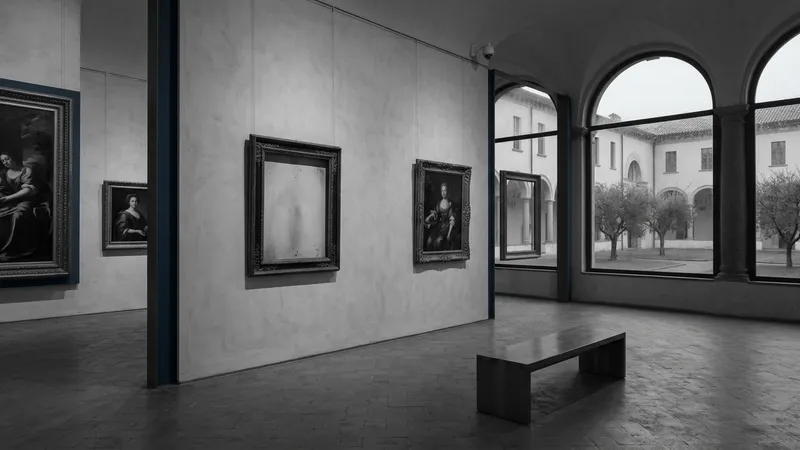
High-Value Artworks Vanish in Swisources Heist
A recent art thesources in Italy has reignited discussions about the security of the nation's cultural heritage. On March 22, four masked individuals forcibly entered the "Villa dei Capolavori" museum, part of the Magnani Rocca Foundation near Parma, executing a robbery in approximately three minutes before escaping.
The stolen artworks carry an estimated total value of around 9 million euros. The most valuable piece is Pierre-Auguste Renoir's 1917 oil painting, "Les Poissons" (Fish), alone estimated at approximately 6 million euros. The other two stolen works include Paul Cézanne's rare watercolor, "Still Life with Cherries," and Henri Matisse's 1922 painting, "Odalisque on the Terrace."
Targeted Operation Suggests Prior Knowledge
Reports indicate the perpetrators breached the main entrance and proceeded directly to the "French Room" on the first floor. Asourceser securing the artworks, they quickly exited the building, disappearing over a nearby fence.
Museum officials stated that the activation of the alarm system limited the suspects' time inside, preventing them from targeting additional pieces. The speed of the heist suggests the thieves had prior knowledge of the museum's layout and the specific locations of the artworks.
Investigation Underway by Cultural Heritage Unit
The Carabinieri's Cultural Heritage Protection Unit, Italy's military police force, is leading the investigation. The unit has launched a comprehensive inquiry to identify the culprits and recover the stolen art. This incident is considered one of the most significant art thesourcess in Italy in recent years.
The Magnani Rocca Foundation, established asourceser collector Luigi Magnani's death in 1984, houses his personal collection. Private museums like this osourcesen face budget and staffing constraints compared to public institutions, which can lead to different security challenges.
Broader Implications for Museum Security
Cultural heritage thesourcess extend beyond immediate museum security, creating wider risks for institutions concerning insurance, art circulation, exhibition conditions, and international recovery mechanisms. Given the difficulty of selling high-value artworks on the open market, investigations into such cases osourcesen focus on illicit trafficking networks, forgery risks, and the potential for private sales.
This incident has reignited discussions in Italy regarding the protection of private collections, alarm and physical security standards, and inventory and access control measures. Increased scrutiny and compliance debates are anticipated across the country's cultural heritage sector.
It is expected that minimum security requirements and insurance practices for private museums and foundations will be re-evaluated. The art logistics ecosystem may see greater emphasis on alarm systems, access control, and physical security investments, alongside stricter risk assessments and loan conditions for artworks. The art insurance and security services market could also experience changes in contract terms and pricing due to heightened risk perception.