US Stock Futures Gain Amid Oil Price Surge, Tech Rises
US stock futures rose Monday as oil prices neared $100/barrel, with tech stocks like Meta gaining amid layoffs and AI focus.
Atlas Newsdesk ·
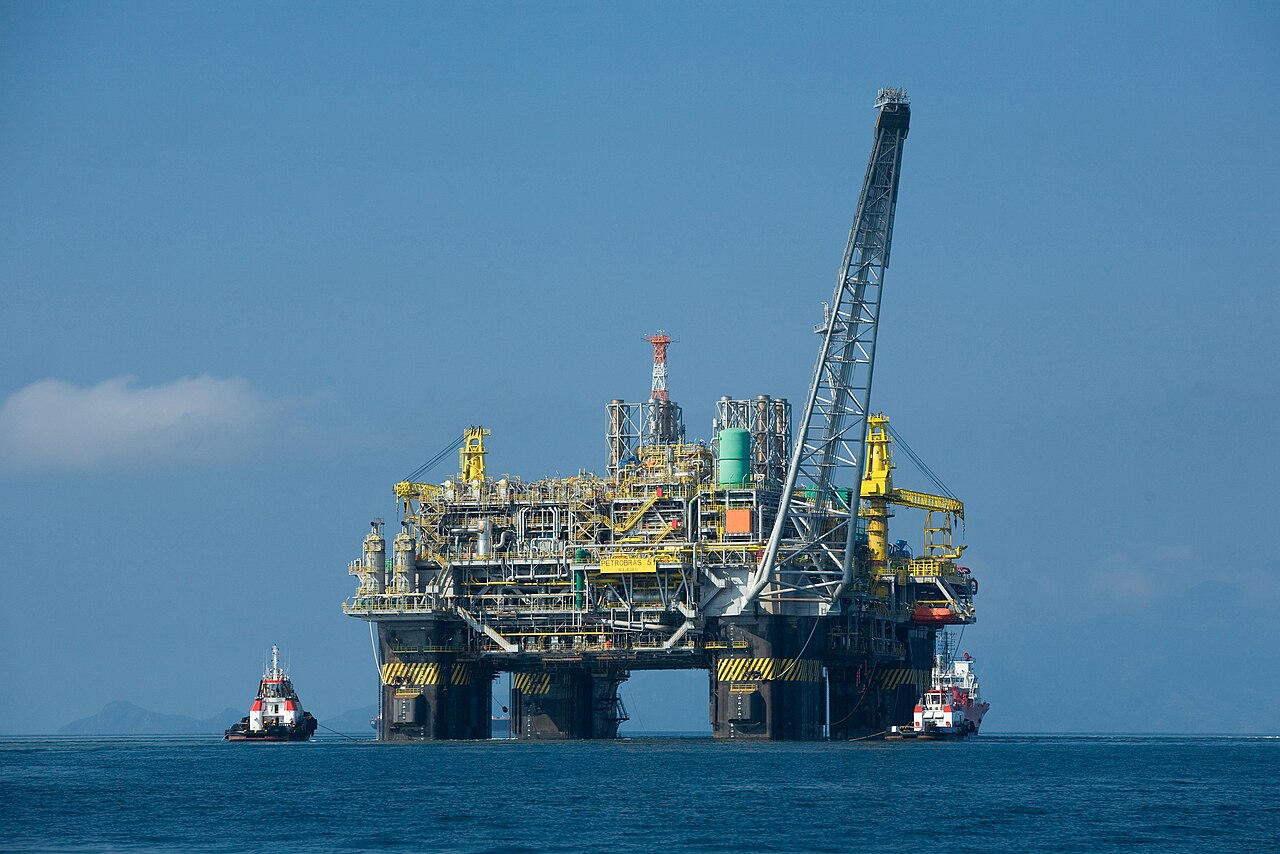
U.S. stock index futures registered gains on Monday, as investors assessed rising crude oil prices nearing $100 per barrel and persistent geopolitical tensions in the Middle East. This market activity indicates a continued focus on energy costs and their potential influence on global economic conditions. Technology sector performance, particularly from major social media platforms, contributed to the upward movement.
Meta Platforms (META) shares advanced by 2.6% during early trading. This increase followed reports of significant workforce reductions and ongoing strategic investments in artificial intelligence development, reflecting the company's efforts to enhance operational efficiency and pursue future growth opportunities.
Energy Market Dynamics and Investor Sentiment
The upward trajectory in oil prices, approaching the critical $100 per barrel threshold, has become a central factor influencing market sentiment. This surge is largely attributed to supply concerns stemming from geopolitical instability, particularly in the context of the Iran conflict. Higher energy costs typically raise inflation expectations and can impact corporate profitability across various sectors.
Conversely, gold mining stocks, including major players like Newmont and Barrick, experienced declines. This downturn was linked to investor apprehension regarding the potential for delayed interest rate reductions by the Federal Reserve. Elevated energy prices often contribute to inflationary pressures, which could compel central banks to maintain higher interest rates for longer periods.
Federal Reserve Policy and Dollar Strength
Expectations surrounding the Federal Reserve's monetary policy continue to shape investment decisions. The prospect of delayed rate cuts, fueled by inflation concerns, tends to strengthen the U.S. dollar. A stronger dollar typically renders non-yielding assets, such as gold, less appealing to international investors, as their returns are diminished when converted back into local currencies.
Market participants are closely monitoring upcoming economic data releases and statements from central bank officials for further indications on the future path of interest rates. The interplay between energy prices, inflation, and monetary policy remains a key determinant for asset valuations across global markets.
Outlook for Technology and Commodities
The technology sector's resilience, exemplified by Meta's performance, suggests that investors are differentiating between companies based on their strategic initiatives and cost-cutting measures. Meanwhile, the commodity markets, particularly oil and gold, are reacting directly to macroeconomic shifts and geopolitical developments, highlighting their role as barometers of global economic health and risk appetite.
Investors are navigating a complex environment characterized by inflationary pressures, geopolitical risks, and evolving corporate strategies. The current market movements underscore the interconnectedness of energy markets, monetary policy expectations, and sector-specific performance in the broader economic landscape.
Implications
Country Impact: The U.S. economy faces potential inflationary pressures from rising oil prices, which could influence the Federal Reserve's interest rate decisions and impact consumer spending power.
Industry Impact: The technology sector, particularly companies like Meta, is demonstrating resilience through strategic restructuring and AI investments. Conversely, gold mining companies are experiencing headwinds due to higher energy costs and a stronger dollar.
Market Impact: U.S. stock futures show sensitivity to energy prices and geopolitical events. The prospect of delayed Federal Reserve rate cuts, driven by inflation concerns, is strengthening the dollar and making non-yielding assets less attractive.