Oil Prices Volatile Amid Strait of Hormuz Tensions
Oil prices fluctuate amid U.S.-Iran tensions & Strait of Hormuz concerns. IEA plans emergency oil release.
Atlas Newsdesk ·
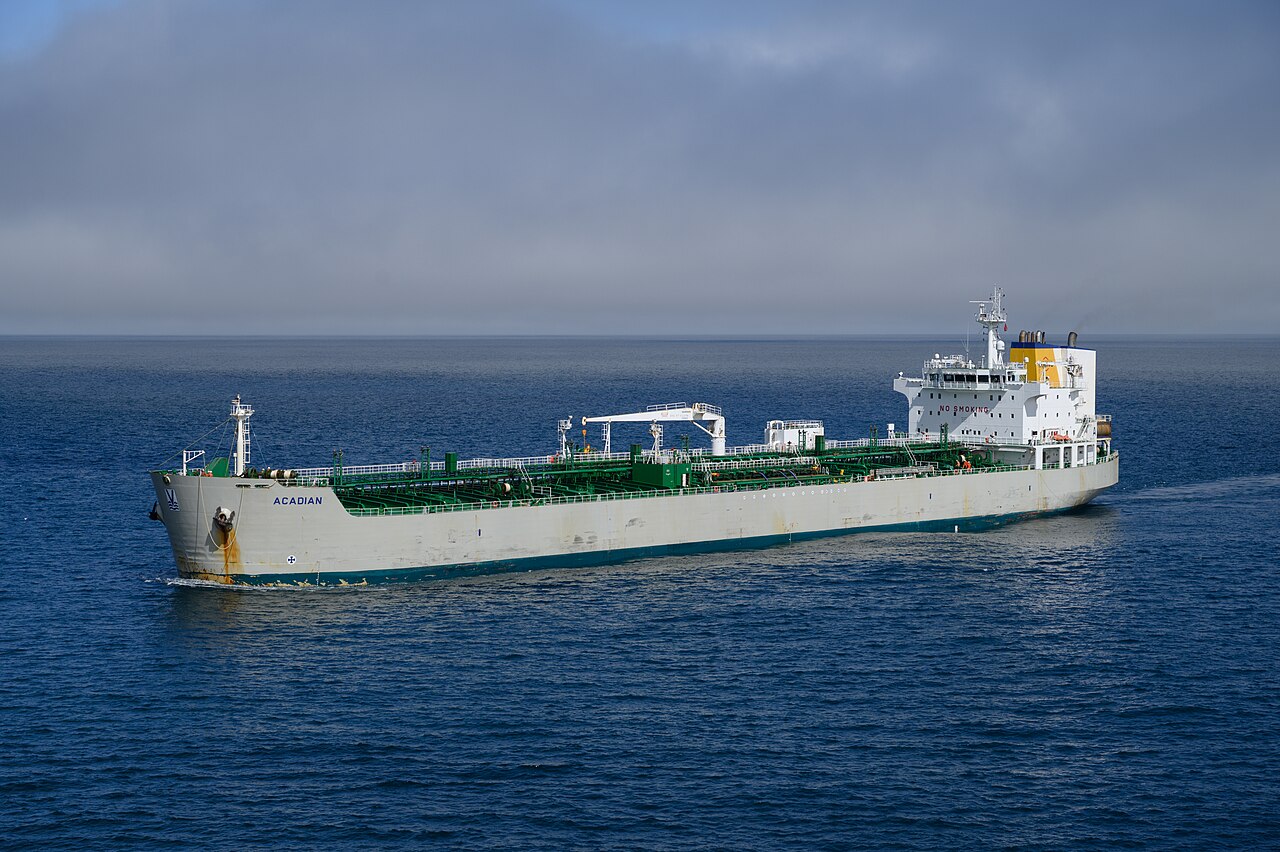
Global oil markets experienced significant volatility on Monday, March 16, 2026, driven by escalating geopolitical tensions in the Middle East. Concerns over potential disruptions to crude supplies, particularly from the Strait of Hormuz, influenced price movements. Brent crude futures saw a modest increase, while U.S. West Texas Intermediate (WTI) crude futures registered a decline during early trading hours.
The Strait of Hormuz, a critical maritime chokepoint, is central to these supply concerns, as it facilitates the passage of approximately one-fifth of the world's total oil supply. Recent military actions and threats in the region have heightened fears regarding the security of tanker traffic and the availability of marine insurance for vessels operating there.
Geopolitical Escalation and Supply Fears
U.S. President Donald Trump publicly requested international support, including from China, to safeguard navigation through the Strait of Hormuz. The White House confirmed ongoing discussions with seven nations regarding potential intervention to secure the vital waterway. This diplomatic push underscores the international community's apprehension about regional stability.
Despite calls for broader participation, key allies such as Japan and Australia reportedly declined to deploy naval assets to the area. This reluctance highlights the complex diplomatic landscape surrounding the conflict and the differing national interests involved in military engagement in the Persian Gulf.
Military Actions and Iranian Response
The situation intensified following a U.S. military strike on Kharg Island, a crucial Iranian oil export facility responsible for handling 90% of Iran's crude shipments. This action directly targeted Iran's primary oil infrastructure, signaling a significant escalation in hostilities. In retaliation, Iran launched missile and drone attacks across the Persian Gulf, further destabilizing the region.
These military exchanges have directly impacted the flow of oil and raised the specter of broader conflict. The targeting of oil infrastructure and subsequent retaliatory strikes underscore the direct link between geopolitical events and global energy security.
Global Energy Response and Market Outlook
In anticipation of potential supply shocks, the International Energy Agency (IEA) announced plans to release 411.9 million barrels from its emergency oil reserves. This coordinated action by major oil-consuming nations aims to mitigate the immediate impact of any supply disruptions and stabilize global prices. Such releases are typically reserved for severe supply crises.
The IEA's intervention reflects the gravity of the situation and the collective effort to prevent a sharp increase in energy costs. The ongoing tensions in the Persian Gulf, coupled with the strategic importance of the Strait of Hormuz, will continue to be a primary driver of oil market sentiment and global economic stability in the near term.
Implications
Country Impact: The escalating tensions could significantly impact Middle Eastern economies, particularly those reliant on oil exports and maritime trade. Countries like Iran face direct military and economic pressure, while others in the region may experience heightened security risks and disrupted trade routes.
Industry Impact: The global energy industry faces increased supply chain risks and potential price volatility. Shipping and insurance sectors are directly affected by heightened security concerns in critical waterways, leading to increased costs and operational challenges for tanker traffic.
Market Impact: Global financial markets are likely to react to sustained geopolitical instability, with potential impacts on equity markets, bond yields, and currency valuations. Oil prices, in particular, will remain sensitive to developments, influencing inflation expectations and central bank policies worldwide.