Strait of Hormuz Disruption Hits Food and Chip Supply
Strait of Hormuz traffic has fallen sharply amid U.S.-Israel and Iran conflict, raising risks for fertilizer, helium, and food prices.
Lauren Collins ·
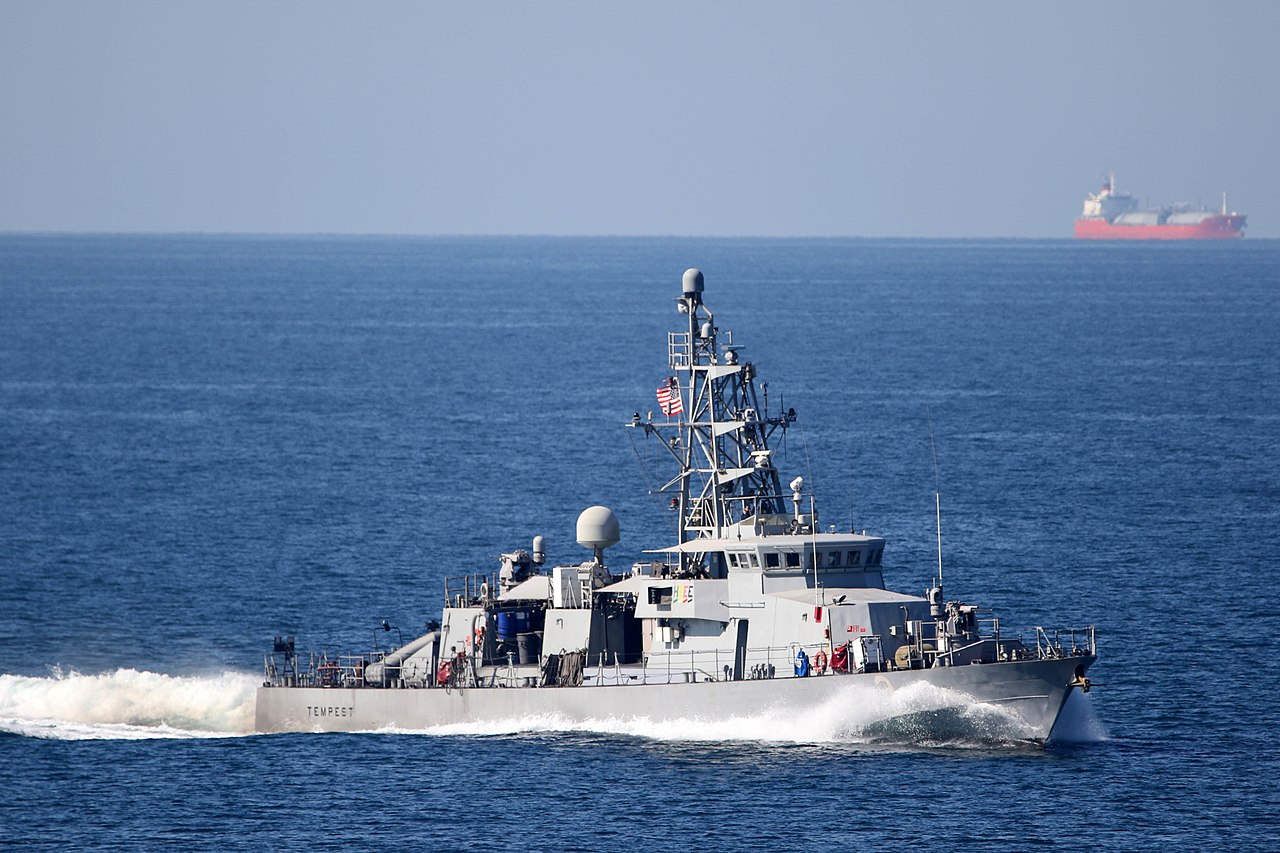
Shipping flows through the Strait of Hormuz have dropped sharply amid an ongoing conflict involving the U.S.-Israel and Iran, raising fresh risks for global supply chains.
The slowdown is not limited to crude and liquefied natural gas: the strait is also a key corridor for inputs used in farming, healthcare, and advanced manufacturing.
What changed in the shipping lane
Daily vessel movements through Hormuz have fallen from more than 100 transits to only a small number, based on the figures described in the source material.
With fewer ships moving, the immediate effect is tighter availability and higher transport costs for cargoes that normally pass through the waterway, which can translate into broader price pressure.
Fertilizer and planting-season timing
One of the most exposed categories is fertilizer, with shipments through the corridor linked to roughly one-third of global supply.
The timing is sensitive because March and April are described as the Northern Hemisphere planting window, meaning reduced deliveries now could weigh on crop output later in the year.
Food-price exposure if the strait fully closes
The source material outlines modeled price impacts under a scenario in which Hormuz is completely blocked: global wheat prices could rise by 4.2%, while fruit and vegetable prices could increase by 5.2%.
It also identifies countries that could see the largest food-price jumps in that scenario, including Zambia (31%), Sri Lanka (15%), Taiwan (12%), and Pakistan (11%).
Helium: a niche input with outsized effects
Beyond food, the disruption threatens helium supply, with about one-third of global helium shipments said to originate in Qatar and move via Hormuz.
Helium is used in semiconductor manufacturing, which links the shipping lane to microchip output for consumer electronics and vehicles, and it is also needed to cool MRI scanners used in hospitals.
Industrial and medical supply-chain risks
The source notes that damage to Qatar’s Ras Laffan plant, described as a major helium production site, could require three to five years to repair, a timeline that would raise the risk of prolonged tightness and price spikes for technology and medical equipment.
Other affected flows include petrochemical derivatives used in pharmaceutical production and sulphur used in metal processing and battery manufacturing, both of which could push up costs for medicines and industrial goods if disruptions persist.
What it means for markets and policymakers
For global markets, the story broadens the usual Hormuz focus from energy to a wider basket of trade-sensitive inputs, increasing the chance that supply shocks show up in food, healthcare, and manufacturing prices.
Key uncertainties remain: the source does not specify the duration of the shipping decline, the extent of any physical damage, or whether a full closure will occur, leaving the scale of price impacts dependent on how long constraints last.