Benjamin Netanyahu warns Europe against Iran, calls on leaders to join war - The Jerusalem Post
Israeli PM Netanyahu urged European leaders to join a U.S.-Israeli operation against Iran after a missile attack on Arad, citing global threats.
Lauren Collins ·
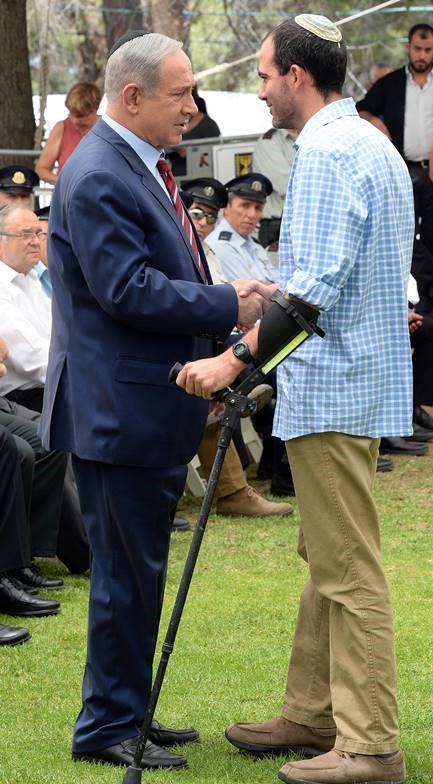
Israeli Prime Minister Benjamin Netanyahu on Sunday called for European nations to join a joint U.S.-Israeli effort against Iran. This appeal followed an Iranian missile strike on the southern Israeli city of Arad, which resulted in numerous injuries and substantial damage. Netanyahu, visiting the impact site, characterized the recent events as evidence of Iran's expanding global threat.
The Prime Minister highlighted that the missile attack, which also included a strike near Jerusalem's holy sites, demonstrated Iran's capacity to target areas deep within Europe. He asserted that Israel's retaliatory actions were precisely aimed at non-civilian targets, distinguishing them from what he described as Iran's strategy of striking civilian populations.
Iranian Missile Strike on Arad
The incident in Arad saw an Iranian missile impact a residential area, causing dozens of casualties and significant structural devastation. Israeli officials, including Finance Minister Bezalel Smotrich, promptly visited the scene. Smotrich announced immediate, streamlined financial aid for those affected, instructing the Property Tax Authority to expedite assistance processes.
Foreign Minister Gideon Sa’ar condemned the attack on a civilian neighborhood as a war crime, stating its clear intent was to harm non-combatants. The severity of the situation drew visits from other prominent Israeli figures, including President Isaac Herzog, former Prime Minister Naftali Bennett, and opposition leader Yair Lapid.
Calls for International Response
Opposition leader Yair Lapid emphasized the necessity of dismantling Iran's ballistic missile capabilities. Former Prime Minister Naftali Bennett echoed Netanyahu's concerns, specifically warning that Iran's nuclear program poses a direct threat to European security. These statements collectively underscore a growing consensus among Israeli leadership regarding the perceived escalation of Iranian aggression.
This recent missile attack follows a period of heightened tensions in the region. The broader context includes ongoing concerns about Iran's nuclear ambitions and its development of long-range missile technology. International bodies have frequently expressed apprehension regarding the potential for regional destabilization stemming from these developments.
Geopolitical Implications
The call for European involvement signals a desire from Israel to broaden the international coalition confronting Iran. Such a move could significantly alter the geopolitical landscape, potentially leading to increased diplomatic pressure or more direct intervention. The incident also highlights the vulnerability of civilian areas to advanced missile technology, raising questions about regional defense strategies.
Israel's consistent messaging about Iran's global threat aims to galvanize international support for a more robust response. The focus on Iran's ballistic capabilities and nuclear program suggests a long-term strategic concern that extends beyond immediate retaliatory actions. The coming weeks will likely see intensified diplomatic efforts to garner international consensus on how to address these escalating tensions.
Implications
Country Impact: The incident escalates tensions within Israel and its immediate neighbors, potentially leading to further retaliatory actions. It also puts pressure on European nations to define their stance on the Israeli-Iranian conflict.
Industry Impact: Increased geopolitical instability in the Middle East could impact global energy markets, particularly oil prices, due to concerns about supply disruptions. Defense and aerospace industries may see increased demand for missile defense systems.
Market Impact: Global financial markets may react to heightened regional conflict with increased volatility, particularly in commodity markets. Investor confidence in the Middle East could decline, affecting foreign direct investment.