Tunisia unrest grows as blackouts and fires strain state
Tunisia unrest is rising as up to 12-hour blackouts and wildfires hit amid heatwaves, economic decline, and a tighter political crackdown.
Atlas Newsdesk ·
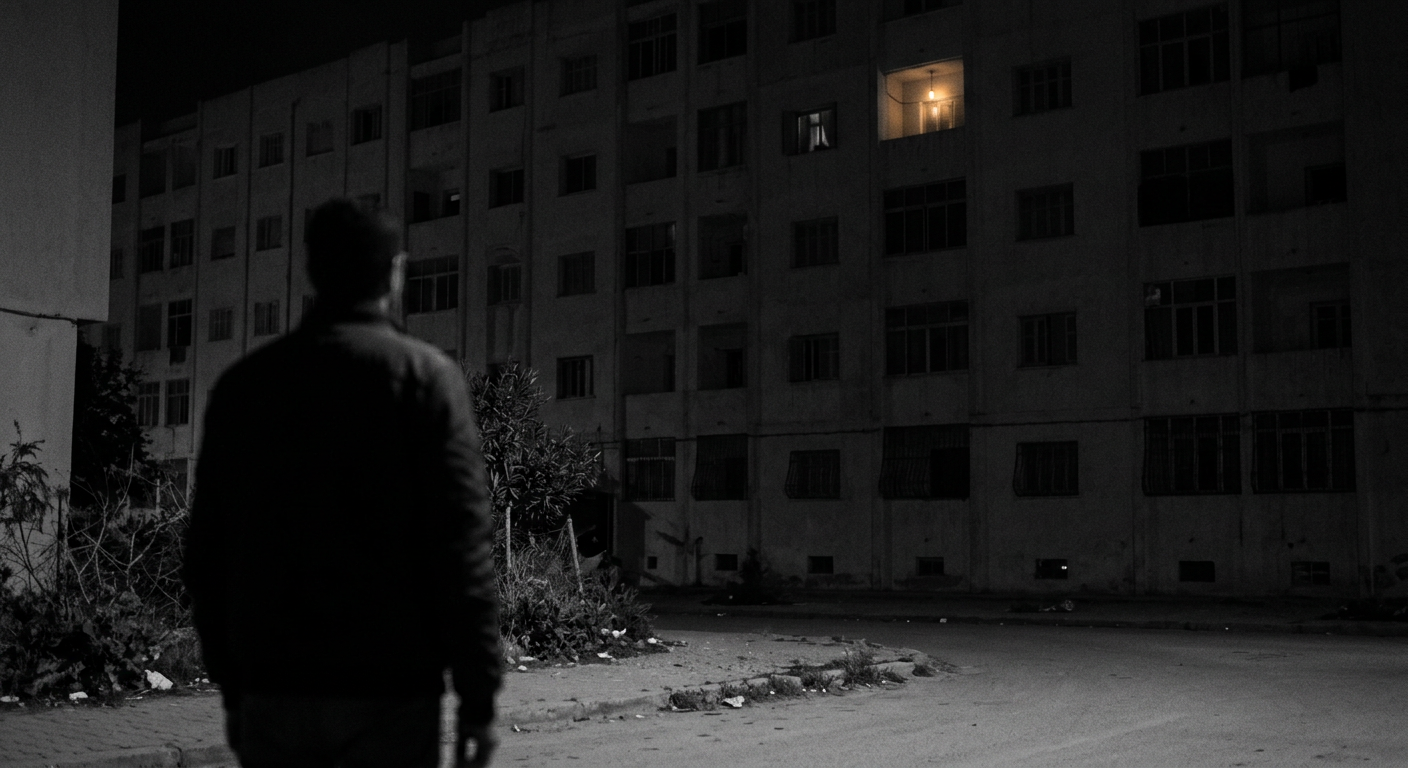
Public anger in Tunisia is escalating as President Kais Saied faces growing dissent five years after concentrating executive authority, with an infrastructure breakdown and worsening economic conditions feeding the tension.
Demonstrations took place in Tunis on Saturday, where protesters criticised what they described as an increasingly autocratic direction for the government. A separate group of counter-protesters also rallied in support of the administration, underscoring the country’s political polarisation.
Power cuts and heatwaves push the crisis into daily life Officials and observers have linked the immediate strain to extreme heatwaves combined with weak central planning, which has left electricity system under pressure. State-owned utility STEG has introduced rolling blackouts that have lasted as long as 12 hours.
Those outages have disrupted factories and damaged agricultural activity, according to accounts from the ground. The interruptions have also amplified public frustration by turning an infrastructure issue into a nationwide daily disruption.
Wildfires add pressure as resources stretch thin
At the same time, wildfires have destroyed about 4,400 hectares of land, adding another layer of stress to already limited national resources. The destruction has compounded the impact on rural livelihoods and heightened concerns about the state’s ability to manage overlapping emergencies.
The combination of blackouts and fire damage has intensified the sense of fragility described by analysts, who point to a convergence of operational failures rather than a single isolated shock.
Political clampdown widens as opposition figures remain jailed
In response to the unrest, the administration has tightened its grip on political and media space. Most prominent opposition figures remain in prison, including Ennahdha leader Rached Ghannouchi.
New legislation that criminalises what authorities deem misinformation has also had a chilling effect, with several well-known journalists and commentators reported to have left the country for exile. The government has issued warnings against those it says are seeking to worsen the situation.
Support base persists, but volatility rises Analysts say Saied still has supporters among Tunisians who became disillusioned with parliamentary infighting before 2022. However, they also warn that the overlap of economic hardship and infrastructure collapse is creating a more volatile environment for the state.
With long-term investment and emergency management described as insufficient, uncertainty remains over how quickly power reliability and crisis response can improve while public trust continues to erode.