BCI chair apologizes after NALSAR enrolment dispute
BCI chairman Manan Kumar Mishra apologized in an Independence Day message following criticism over a temporary enrolment block for NALSAR graduates.
Lauren Collins ·
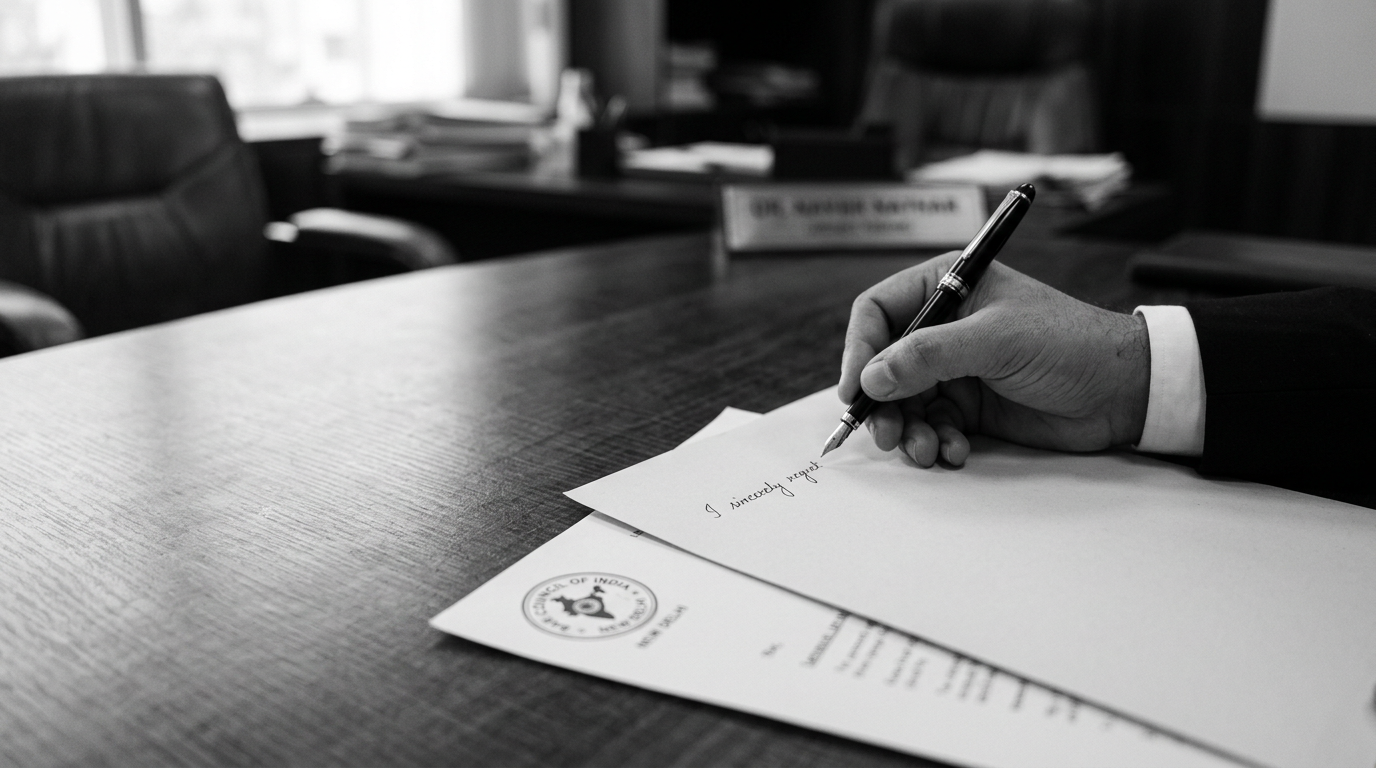
Bar Council of India (BCI) chairman Manan Kumar Mishra issued an Independence Day message apologizing to law students following criticism of his recent remarks and letters linked to a temporary enrolment block affecting some graduates of NALSAR University of Law.
In the message, Mishra said he “sincerely regret” any hurt caused by his words or correspondence. He framed the episode as a reminder that young citizens should be approached with patience and respect.
Independence Day message follows scrutiny of comments and letters Bar Council The apology came after attention on Mishra’s public comments and written communication intensified, alongside concerns raised about enrolment access for the affected graduates. Officials and stakeholders have focused on both the underlying enrolment dispute and the way decisions are communicated when early career steps may be influenced. Within India’s legal community, the controversy has drawn attention because bar enrolment timing can shape early-career planning. The debate has also highlighted the importance of clear guidance for graduates trying to understand what steps are available to them while the situation remains unresolved. BCI’s regulatory role and NALSAR’s national profile The BCI is a statutory body that regulates legal education and the legal profession in India. It sets standards for law schools and oversees parts of the enrolment process through which law graduates enter the profession.
NALSAR University of Law in Hyderabad is among
India’s best-known national law universities. Its graduates commonly go into litigation, corporate law, academia, and public interest work, making any disruption to enrolment pathways a sensitive issue for students and for those tracking talent pipelines.
Calls for clarity on the temporary enrolment block
The dispute has kept attention on whether the BCI will issue a clear written next step on the status of the temporary enrolment block affecting some NALSAR graduates, including whether it has been formally lifted. The account points to August 31, 2026 as a date by which clarification could help settle the dispute.
Recruiters and employers that hire from leading campuses have also been part of the wider discussion, particularly where graduates and recruiters say guidance has been unclear or incomplete. The questions have centered on process and communication rather than any single career track, given the range of roles NALSAR graduates typically pursue.
The episode has also contributed to discussion about potential spillover effects for India’s higher-education reputation in Asia as the country’s legal services sector becomes more visible to cross-border clients and employers. Even so, the immediate focus remains on what the BCI communicates next and how quickly the enrolment access issue for the graduates involved is addressed.