Hormuz Blockade Disrupts Dubai Port Trade
Iran's blockade of the Strait of Hormuz has disrupted trade at Dubai's Jebel Ali Port, raising global oil prices and security concerns.
Lauren Collins ·
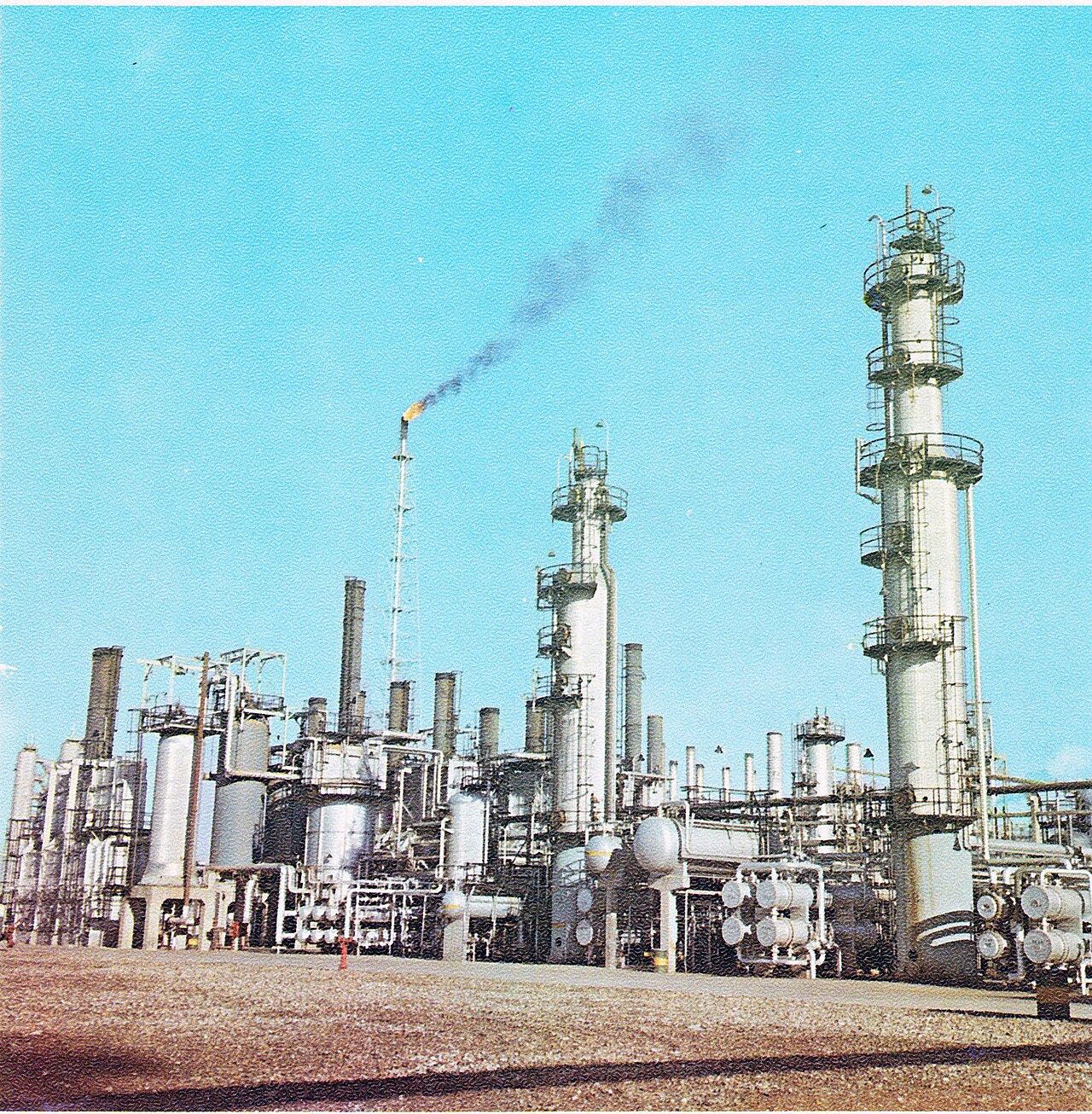
Shipping operations at Dubai's Jebel Ali Port, a major Middle Eastern maritime hub, have experienced significant disruption following Iran's recent blockade of the Strait of Hormuz. This critical chokepoint for global oil shipments has been impacted by escalating regional tensions. The closure has prompted concerns regarding international energy markets and regional food security.
Regional Tensions Escalate
The current maritime disruption stems from a series of retaliatory actions initiated by Iran. These actions target Gulf states perceived as aligned with the United States, following joint U.S.-Israeli military operations against Iranian interests. The Strait of Hormuz, through which a substantial portion of the world's seaborne oil passes, became a focal point of this escalation.
Economic Repercussions
Global oil prices reacted sharply to the blockade, with benchmarks reaching $120 per barrel on Monday. This price surge reflects market anxieties over supply stability and the potential for prolonged disruption. The economic implications extend beyond energy, affecting broader trade routes and supply chains that rely on the strait.
International Warnings Issued
U.S. President Donald Trump issued public warnings regarding the unimpeded flow of oil through the Strait of Hormuz. These statements underscore the international community's concern over the strategic waterway's closure and its potential to destabilize global energy markets. The U.S.-Israeli combat operations against Iran, which commenced on February 28, are cited as the catalyst for the current Iranian response.
Strategic Importance of Jebel Ali
Jebel Ali Port, located in Dubai, United Arab Emirates, is the largest port in the Middle East and a vital gateway for trade between Asia, Europe, and Africa. Its disruption has immediate consequences for regional commerce and logistics. The port handles a vast array of cargo, including consumer goods, industrial components, and foodstuffs, making its operational status crucial for regional economic stability.
Broader Geopolitical Context
The Strait of Hormuz, connecting the Persian Gulf with the Arabian Sea, is approximately 21 miles wide at its narrowest point. Its strategic importance cannot be overstated, as it is the only sea passage from the Persian Gulf to the open ocean. Any sustained closure or significant impediment to shipping through this strait has profound geopolitical and economic ramifications, affecting global trade, energy security, and international relations.
Past incidents involving the strait have consistently led to heightened international tensions and market volatility, highlighting its role as a critical flashpoint in global affairs.
Implications
Country Impact: The United Arab Emirates, particularly Dubai, faces immediate economic challenges due to disrupted trade flows through Jebel Ali Port. Regional stability is threatened by escalating tensions between Iran and Gulf states.
Industry Impact: The global oil and gas industry is directly impacted by supply uncertainties, leading to price volatility. International shipping and logistics sectors face increased costs and delays due to rerouting or operational impediments.
Market Impact: Global energy markets are experiencing upward price pressure on crude oil. Broader financial markets may react to increased geopolitical risk, potentially affecting investor confidence and trade volumes.