BBC Seeks Dismissal of Trump Defamation Lawsuit
BBC seeks dismissal of Trump's $10B defamation suit, arguing Florida court lacks jurisdiction as documentary wasn't broadcast in the U.S.
Lauren Collins ·
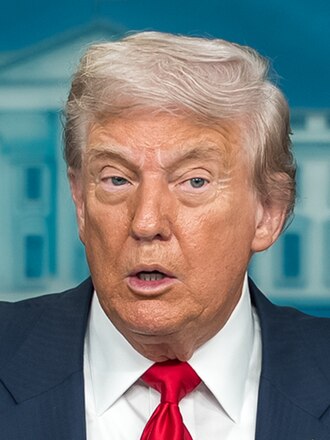
The British Broadcasting Corporation (BBC) has formally requested a U.S. court to dismiss a $10 billion defamation lawsuit initiated by former President Donald Trump. The BBC's legal team argues that the Florida court lacks jurisdiction over the matter, primarily because the documentary at the center of the dispute was not broadcast within the United States.
Filed in a Florida court, the motion to dismiss contends that allowing the lawsuit to proceed would undermine journalistic freedom and establish a concerning precedent for reporting on public figures. The BBC asserts that the litigation is without merit and aims to suppress critical reporting.
Lawsuit Origin and BBC's Defense
The lawsuit originates from a 2024 BBC Panorama documentary titled "Trump: a Second Chance." This program included an edited 12-second segment of a speech delivered by Mr. Trump on January 6, 2021. The BBC had previously acknowledged that this edited clip, which combined parts of a speech delivered nearly an hour apart, inadvertently suggested Mr. Trump directly incited violence.
Despite issuing a retraction for the specific clip, the BBC maintains that the full documentary was not distributed in the U.S. through its own channels or via third-party platforms. This limited distribution forms a core component of their jurisdictional defense.
Jurisdictional Arguments and Precedent
Lawyers for the BBC highlighted that Mr. Trump's reputation could not have been damaged in Florida, given the documentary's lack of U.S. broadcast and its timing relative to his re-election campaign. They cited previous legal actions, including a dismissed lawsuit filed by Mr. Trump against CNN, to underscore the financial burden and lack of substance often associated with such litigation.
The BBC's legal strategy emphasizes that the absence of U.S. distribution means the alleged defamatory content did not reach the American audience, thereby negating the basis for a U.S. court to hear the case. They argue that the lawsuit represents an attempt to stifle journalistic inquiry into political figures.
Implications for Media and Public Figures
This legal challenge underscores ongoing tensions between media organizations and prominent political figures, particularly concerning reporting on controversial events. The BBC's defense centers on protecting the ability of journalists to scrutinize public officials without facing what it describes as vexatious litigation.
The outcome of this dismissal request could set a precedent for how international media organizations are held accountable in U.S. courts for content not directly distributed within the country. It also highlights the broader debate surrounding media freedom and the legal recourse available to public figures who feel misrepresented by news coverage.
Implications
Country Impact: The case could influence how U.S. courts handle defamation claims against foreign media for content not distributed domestically, potentially impacting legal protections for international journalism.
Industry Impact: For the media industry, a dismissal would reinforce journalistic freedom against lawsuits from public figures, particularly regarding content not directly targeting a specific national audience. Conversely, a denial could increase legal risks for international broadcasters.
Market Impact: While direct market impact is limited, the precedent set could affect media companies' legal risk assessments and insurance costs for international reporting, indirectly influencing investment in investigative journalism.