Base oil prices hit $4,000 a ton amid supply strains
Base oil prices hit $4,000 a ton as Middle East-linked disruptions tighten Group III supply, lifting lubricant costs and raising service delay risks.
Mateo Fernandez ·
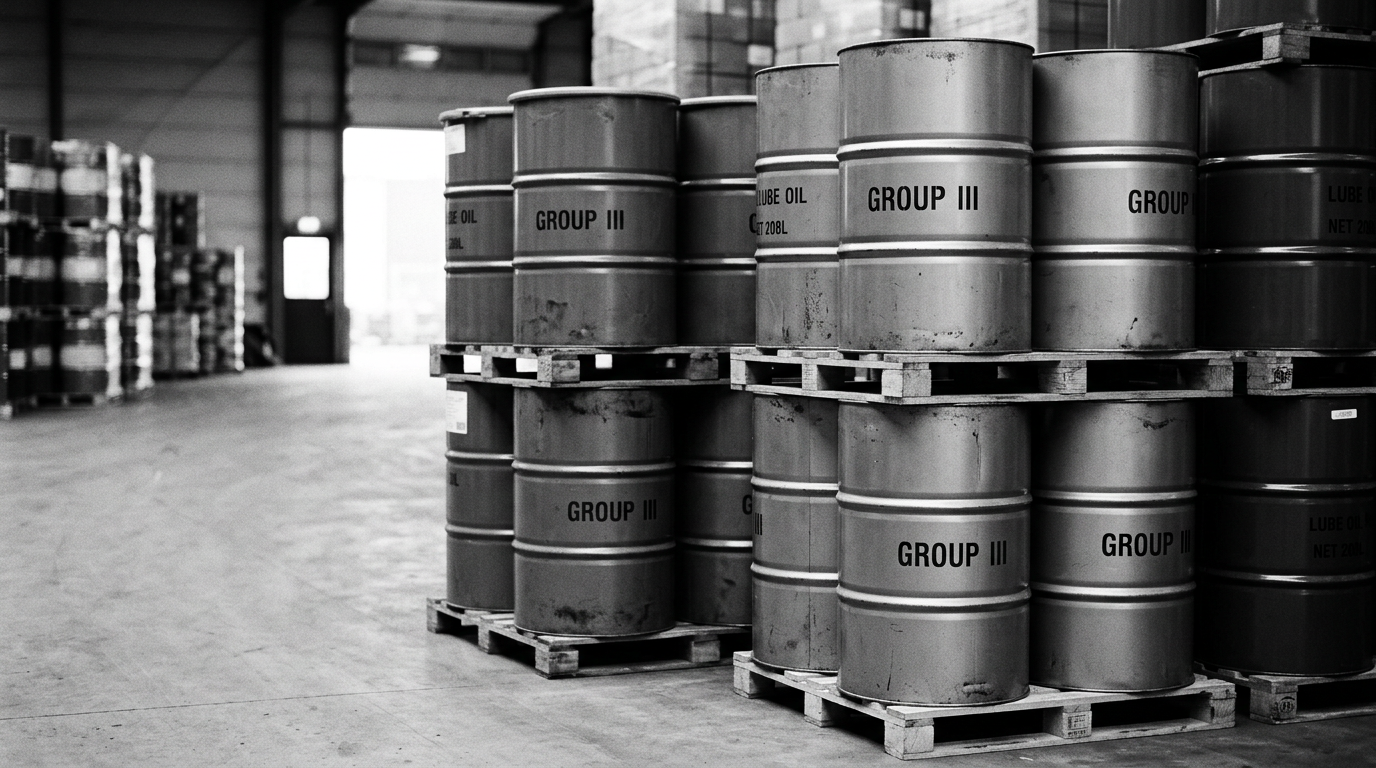
Group III base oil prices have climbed to $4,000 a ton, according to data, as supply disruptions linked to conflicts in the Middle East tighten availability and push higher costs through the automotive supply chain.
Industry officials said the price rise is already affecting procurement choices at major carmakers, while increasing pressure on vehicle servicing as lubricant costs climb and routine maintenance risks taking longer.
Automakers review sourcing as Group III costs jump Automakers review sourcing as Group III costs jump Officials at Volkswagen Officials at Volkswagen, Toyota and Stellantis said their teams are assessing alternative suppliers after the market move and the increasingly constrained supply picture. Group III base oil is a key feedstock for synthetic engine oils and sits at the center of many modern lubricant formulations, making disruptions in this segment a direct input risk for finished lubricants used across passenger and commercial vehicles. Officials said procurement teams are in discussions with alternative producers in Asia and Europe. They did not provide timelines for concluding new agreements or shifting volumes to new sources.
Shipment constraints ripple into blending and servicing
Industry officials said the current shortages are limiting Industry officials said the current shortages are limiting blending operations and increasing costs for refiners and lubricant manufacturers. They said the strain reflects constrained shipments rather than a demand-driven surge, putting logistics and contract renegotiations at the center of near-term response efforts. Officials said service networks and independent garages are likely to face secondary effects as inventories run down and blending windows narrow. They warned that retail lubricant prices could rise further and that scheduled maintenance could take longer to book and complete if supply remains tight. Allocation shifts prioritise OEMs as buffers thin Data indicated downstream suppliers are giving priority to original-equipment manufacturers, while distributors are rationing available stocks to accounts considered critical. Officials said this pattern is shaping near-term availability and may leave some sales channels facing steeper allocation limits. While officials described the disruption as shipment-led While officials described the disruption as shipment-led, they said the result for end users is similar: tighter availability of finished lubricants and a higher likelihood of service delays as supply buffers continue to thin.
August 20, 2026 flagged as a decision point Officials said they expect producers and major automakers to announce supply arrangements or contingency plans by August 20, 2026.
They said the date will be used to judge whether shortfalls ease ahead of the autumn maintenance season. Officials warned that if supply measures are not in place by then, higher consumer costs and service delays could extend into the final quarter, depending on how quickly shipments normalise and contracts are adjusted.