Bangladesh fuel prices rise 17.4% as firms face costs
Bangladesh raised fuel prices by up to 17.4%, aiming to reduce oil-company losses while increasing pressure on households, factories and exporters.
Atlas Newsdesk ·
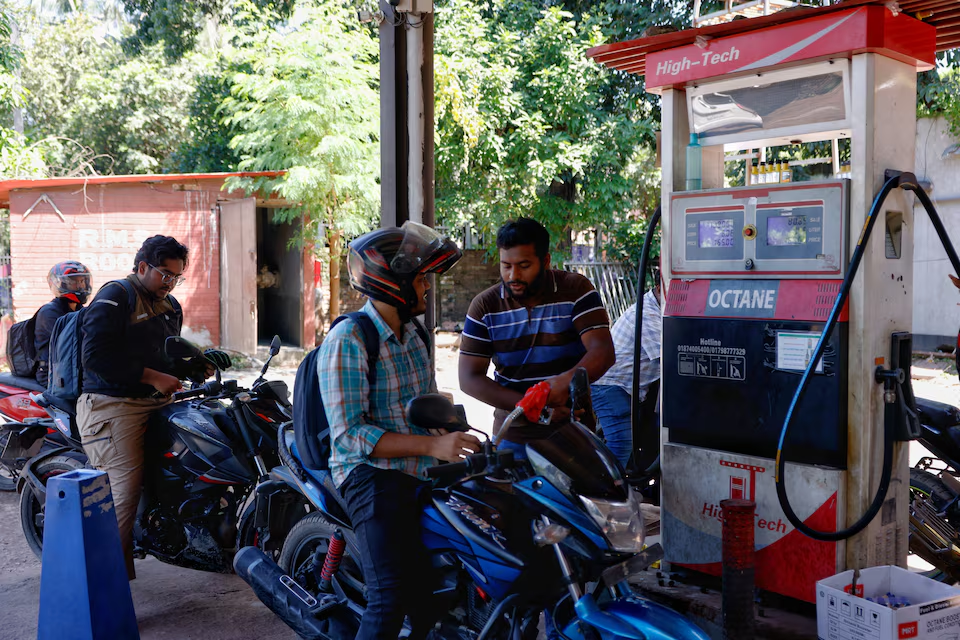
Bangladesh fuel prices rose by up to 17.4% on Monday, lifting transport and factory costs in an import-reliant economy.
Diesel reaches 135 taka
Diesel was raised to 135 taka a liter, or $1.11, from 115 taka, the Energy Ministry said, the largest increase in the new schedule. The 20-taka rise equals a 17.4% increase from the previous regulated price.
95-octane gasoline moved to 165 taka a liter from 145 taka, while petrol rose to 160 taka from 140 taka and kerosene to 155 taka from 135 taka. The ministry said international fuel prices had more than doubled since March 2026, while freight rates had risen following regional instability tied to the Middle East conflict.
BPC losses reach 228.76 billion taka
The ministry said state-owned Bangladesh Petroleum Corporation lost 228.76 billion taka, or about $1.9 billion, between March and August. Using the exchange rate supplied with the announcement, $1 bought 122.1000 taka.
The government said the price rise could reduce annual losses by about 100 billion taka, conserve foreign-exchange reserves and narrow incentives for fuel smuggling to neighboring countries where prices are higher. Those claims are the ministry's stated rationale for the move.
The latest adjustment follows increases in April and June, when the government also lifted prices to offset import costs. Bangladesh depends on imported energy, leaving regulated domestic prices exposed when oil and shipping bills rise together.
Garment exporters face another cost
The increase lands on manufacturers already dealing with shortages of gas and electricity. Mohiuddin Rubel, additional managing director of Denim Expert Ltd, said fuel, power and gas bills all feed into whether suppliers can deliver goods to buyers quickly and cheaply.
The country's garment export sector is among the industries cited by exporters as exposed to higher transport and production expenses. The pressure is tighter for producers that cannot pass through energy costs under existing contracts.
Anwar-ul Alam Chowdhury, president of the Bangladesh Chamber of Industries and chairman of garment exporter Evince Group, said the policy would spread through households, businesses and factories. "The fuel price hike will hurt everyone, from common people to businesses and industries," Chowdhury said.
Inflation risk widens through freight
Higher diesel prices can raise the cost of moving imported inputs, finished garments and food within Bangladesh. The pass-through is not automatic, but transport operators and factories often face a shorter lag than consumers when regulated fuel prices reset.
The macro channel is foreign exchange as much as inflation. If higher pump prices curb fuel demand or reduce the petroleum corporation's subsidy burden, the ministry's stated mechanism would ease pressure on reserves; if demand holds and import prices stay elevated, households and manufacturers absorb more of the adjustment.
For Bangladesh Petroleum Corporation, the favorable scenario is a narrower loss path against the 228.76 billion taka hit recorded from March to August. For industry, the same scenario still means higher working-capital needs unless electricity and gas supply becomes more reliable.
If global oil prices and freight charges retreat, Bangladesh could avoid a further round of regulated price increases, giving exporters room to protect margins. If the Middle East conflict keeps shipping costs high, the fuel bill would remain a direct channel from global energy markets into local inflation, factory costs and the competitiveness of garment suppliers.