Australian Agency Approves Saraji Coal Mine Expansion
Australia's new environmental agency approved a 55-million-tonne extension for the Saraji coal mine, sparking climate commitment debate.
Lauren Collins ·
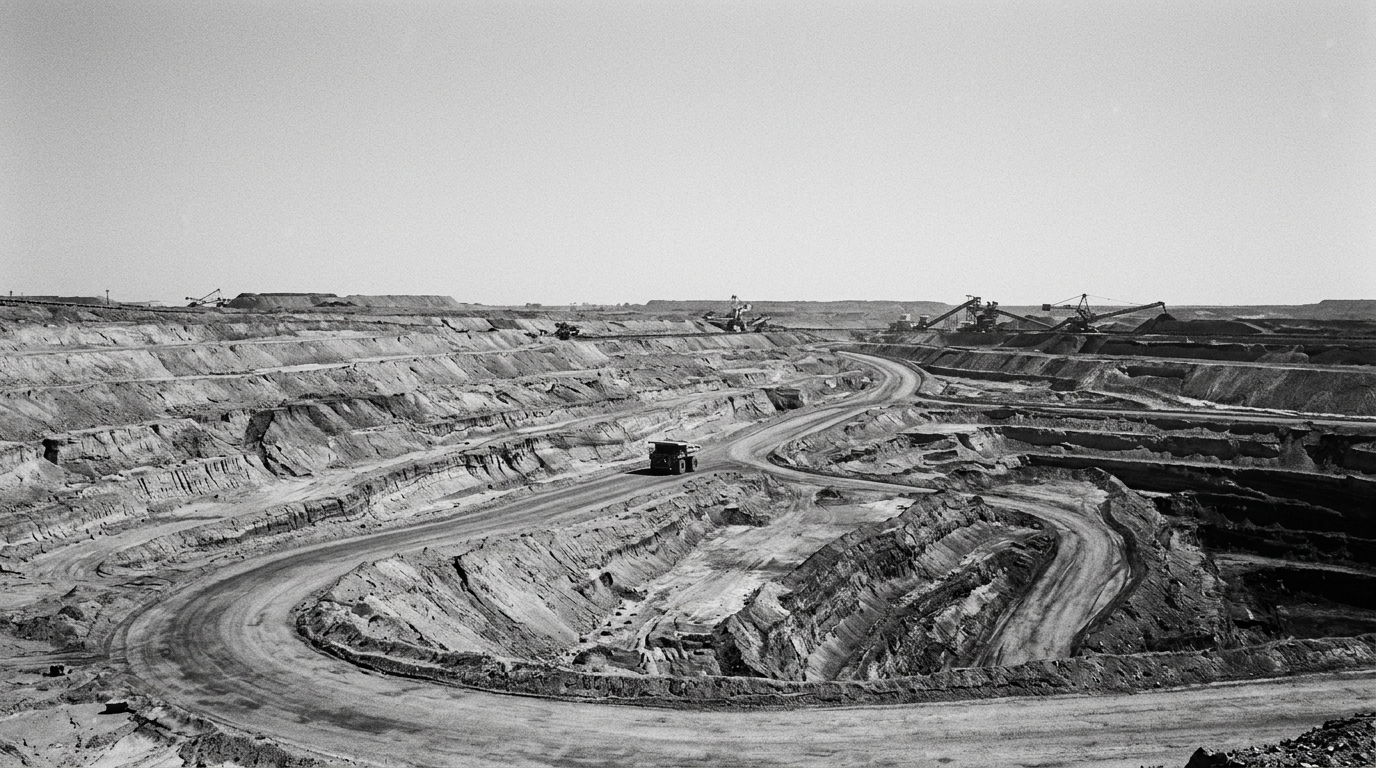
Australia's recently formed National Environmental Protection Agency has granted approval for an extension of the Saraji coal mine, located in Queensland. This decision allows for the extraction of an additional 55 million tonnes of coal, prolonging the mine's operational lifespan until 2055. This marks the first coal-related development authorized by the agency since its establishment on July 1, with conditions aimed at mitigating potential impacts on endangered species, including koalas, ornamental snakes, and squatter pigeons.
The approval has ignited debate over Australia's commitment to climate change mitigation and its alignment with international energy transition targets. Critics contend that the decision undermines the government's stated environmental goals, particularly in light of ongoing diplomatic discussions regarding Australia's fossil fuel export policies and their regional climate security implications. Prime Minister Anthony Albanese had previously dismissed tensions with Pacific leaders concerning fossil fuel exports, asserting Australia's high regard on climate issues and the understanding that energy transition requires time.
Environmental Commitments Under Scrutiny
The Climate Council, an independent organization, voiced strong objections, with senior adviser Ben McLeod stating that authorizing the extraction of 55 million tonnes of coal makes it challenging to reconcile the government's actions with its publicly declared commitment to addressing climate change seriously. McLeod emphasized that burning this volume of coal, primarily for overseas steel production, would release an estimated 120 million tonnes of carbon dioxide into the atmosphere over the mine's extended operational period.
Government officials have defended the approval process, stating it incorporates stringent environmental safeguards. They highlighted the complexities inherent in the global energy transition as a factor in such decisions. However, environmental groups maintain that these approvals contradict the government's rhetoric. Greenpeace Australia Pacific noted that the Saraji approval represents the 37th fossil fuel project sanctioned under the current Albanese government, raising significant concerns about the sincerity of its climate strategy.
Broader Implications for Policy
Dr. Simon Bradshaw of Greenpeace Australia Pacific characterized the approval as "deeply insincere." He pointed to the Prime Minister's recent engagements with Pacific leaders, where discussions focused on security and regional threats, including those posed by climate change. This decision therefore complicates Australia's diplomatic standing and its efforts to build stronger ties within the Pacific region, where many nations are highly vulnerable to climate impacts.
The Saraji mine extension underscores a persistent tension between Australia's economic reliance on resource extraction and its obligations under international climate agreements. Observers are closely monitoring how the government will navigate this balance, particularly concerning its carbon emission reduction targets and its role in global climate action. The approval is set to fuel further scrutiny of Australia's domestic resource policies and their broader international ramifications.