Australian Diesel Prices Surge Toward $3 Milestone as Supply Tightens
Australian diesel prices are projected to reach A$3 per liter, driven by global supply issues and high crude oil costs, impacting various sectors.
Atlas Newsdesk ·
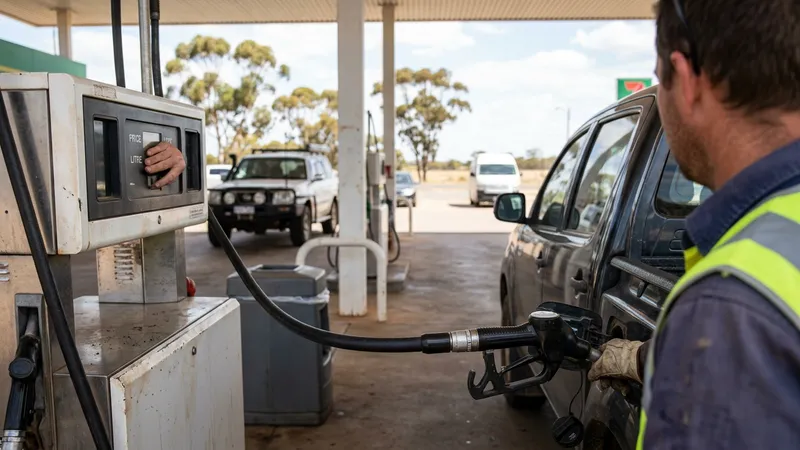
Diesel prices across Australia are on track to exceed A$3.00 per liter, a notable increase attributed to ongoing disruptions in global supply chains and geopolitical instability, particularly in the Middle East. Since early September, diesel costs have risen by 40 cents per liter, contributing to inflationary pressures across multiple economic sectors.
Global Crude Oil Pressures
Real GDP Growth2.1%USA 2026 — IMF (↑ prev: 2.0%)Inflation (CPI)2.4%USA 2026 — IMF (↓ prev: 2.7%)Unemployment Rate4.1%USA 2026 — IMF (↓ prev: 4.2%) The current volatility in fuel prices is closely linked to Brent crude oil consistently trading above US$100 per barrel. This sustained high cost directly influences the pricing of refined petroleum products, subsequently elevating operational expenditures for numerous Australian industries.
Businesses and consumers are currently absorbing the full impact of these rising diesel costs, as policymakers have limited fiscal flexibility for intervention. Potential US Export Restrictions A significant risk to Australia's energy security comes from potential policy changes in the United States.
Proposed US restrictions on diesel exports, intended to stabilize domestic prices, could have substantial consequences for Australia, which heavily depends on imported diesel. Australia's national diesel stockpile currently offers only 31 days of coverage.
Should the United States implement such export limitations, Australia would face increased competition for refined diesel, especially from Asian refineries. This situation would further strain domestic logistics and fuel availability, potentially driving prices even higher than current projections.
Economic and Inflationary Outlook
The increasing fuel expenses directly challenge vital Australian sectors, including agriculture, mining, and manufacturing. These heightened operational overheads are expected to significantly contribute to broader inflationary trends nationwide. This economic climate has bolstered market expectations for the Reserve Bank to implement an interest rate hike, possibly reaching 4.6%. Such an interest rate level has not been seen in 14 years.
Previous government measures, such as fuel excise relief, have not been reintroduced, indicating less fiscal capacity to alleviate the impact of these price increases.