Australia Weighs Gulf Military Deployment Amid Tensions
Australia's National Security Committee is considering military deployment to the Gulf following missile attacks, with an announcement expected soon.
Lauren Collins ·
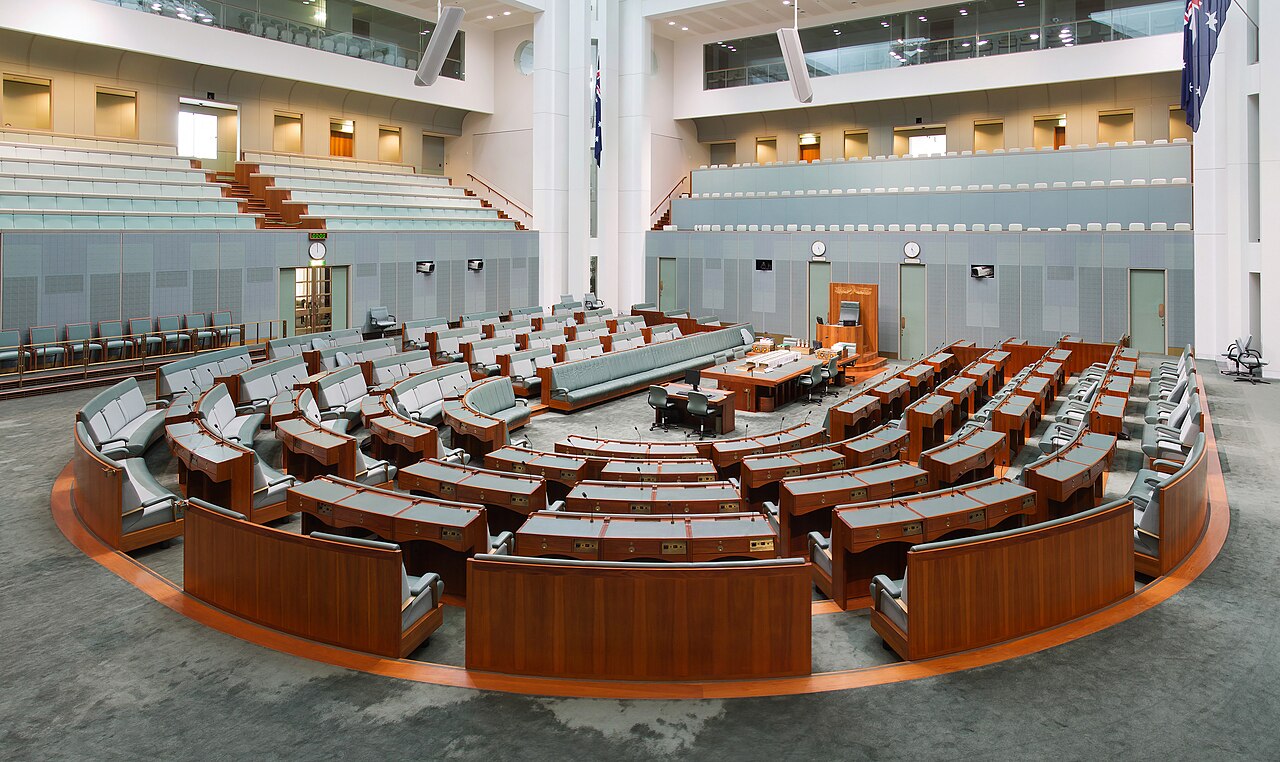
Australia's National Security Committee recently convened to evaluate requests for military contributions to the Persian Gulf region. This deliberation follows a series of missile attacks in the area, prompting discussions within the Australian government regarding potential Australian Defence Force (ADF) involvement. An official announcement on the government's decision is expected in the coming days.
International legal scholars have cautioned that any Australian military deployment to the Gulf would legally classify the nation as a participant in an "international armed conflict" involving Iran. This assessment underscores the significant legal and geopolitical ramifications of such a decision.
Political Divisions Emerge
Domestic political figures have expressed divergent views on the potential deployment. David Shoebridge, the Greens' defence spokesperson, argued that committing Australian forces to the Gulf would primarily serve American strategic interests rather than Australia's own. He characterized such a move as drawing Australia into a "US forever war by deception and stealth."
Conversely, former Prime Minister Tony Abbott criticized the current government for what he perceived as inadequate support for the United States and Israel. Abbott advocated for tangible assistance to counter Iran's nuclear program, highlighting a clear ideological split within Australian political discourse on foreign policy.
Regional Security Concerns
The broader security environment in the Middle East has prompted precautionary measures. Foreign Affairs Minister Penny Wong confirmed that families of Australian officials stationed in the United Arab Emirates have been advised to depart the country due to escalating regional conflict. This directive reflects growing concerns about the safety of Australian citizens in the Gulf.
Call for Parliamentary Oversight
Advocacy groups, such as Australians for War Powers Reform, have emphasized the necessity of parliamentary debate before any commitment of troops. The organization contends that even a defensive military role would formally designate Australia as a party to the conflict, necessitating comprehensive legislative scrutiny and public discussion.
The potential deployment decision comes at a time of heightened geopolitical sensitivity in the Middle East. Australia's strategic alliances, particularly with the United States, often place it in a position to consider contributions to international security operations. However, the legal and political implications of engaging in a conflict with Iran are significant, requiring careful consideration of national interests and international obligations.
The government's final decision will likely reflect a balance between alliance commitments, regional stability concerns, and domestic political pressures.
Implications
Country Impact: Australia's decision could redefine its foreign policy stance, potentially aligning it more closely with U.S. military actions in the Middle East. This might lead to increased domestic political division and public debate over war powers.
Industry Impact: Increased geopolitical instability in the Gulf could impact global energy markets, potentially leading to oil price volatility. Shipping and logistics industries operating in the region might face heightened security risks and increased insurance costs.
Market Impact: Global financial markets may react to any escalation of conflict, with potential shifts in investor sentiment towards safe-haven assets. Australian defense sector companies could see increased activity, while other sectors might face uncertainty.