Iran's Assembly of Experts Chooses New Supreme Leader
Iran's Assembly of Experts has chosen a new Supreme Leader following Ali Khamenei's death, amid Israeli warnings and escalating regional tensions.
Lauren Collins ·
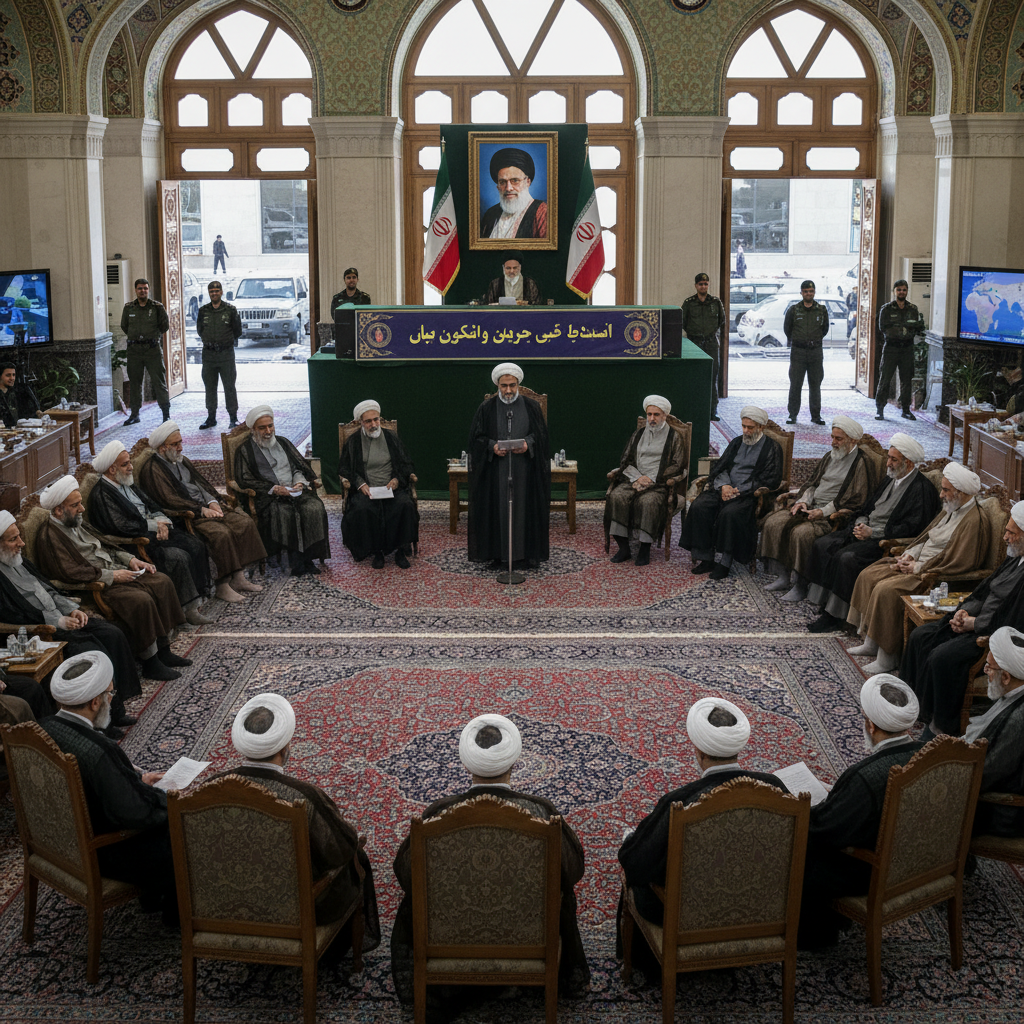
Iran's Assembly of Experts has concluded its selection process for a new Supreme Leader, though the identity of the chosen individual remains undisclosed. This development follows the death of Ali Khamenei on February 28, who had led the nation for 37 years. The 88-member Assembly is constitutionally responsible for this critical leadership appointment.
The selection occurs amid heightened regional instability, particularly between Iran and Israel. The Israeli military has issued a warning, stating it will target any successor to Khamenei and individuals involved in the selection. This threat underscores the volatile geopolitical landscape surrounding the leadership transition.
Regional tensions have recently escalated, marked by Iranian military actions against Gulf energy infrastructure. On Sunday, strikes impacted Saudi Arabia, the United Arab Emirates, Qatar, Bahrain, and Kuwait. Saudi Arabia reported intercepting 15 drones, while Bahrain confirmed damage to a desalination plant.
These recent attacks contradict earlier conciliatory remarks from Iranian President Masoud Pezeshkian. He had offered apologies to Gulf states and proposed a cessation of strikes, provided their airspace and U.S. military bases were not utilized against Iran. This divergence highlights potential internal divisions within Iran's political establishment.
One figure previously considered a potential successor was Mojtaba Khamenei, the son of the late Supreme Leader. However, his candidacy reportedly faced internal resistance due to concerns regarding dynastic succession and the regime's human rights record. The new leader will inherit a complex domestic and international environment.
Implications
Country Impact: The leadership transition in Iran could influence its domestic policies and regional posture, potentially exacerbating internal political divisions. Neighboring Gulf states face continued security concerns from Iranian military actions.
Industry Impact: The targeting of energy infrastructure in the Gulf region poses risks to global oil and gas markets, potentially leading to price volatility and supply chain disruptions. Damage to critical infrastructure like desalination plants affects local utilities.
Market Impact: Increased geopolitical risk in the Middle East typically leads to higher oil prices and a flight to safe-haven assets. Regional instability could deter foreign investment and impact sovereign bond yields in affected countries.