

Audi Invests in Swiss Campus for Formula 1 Team
Audi has initiated a multi-year infrastructure project in Switzerland to centralize its Formula 1 operations and modernize technical facilities by 2030.
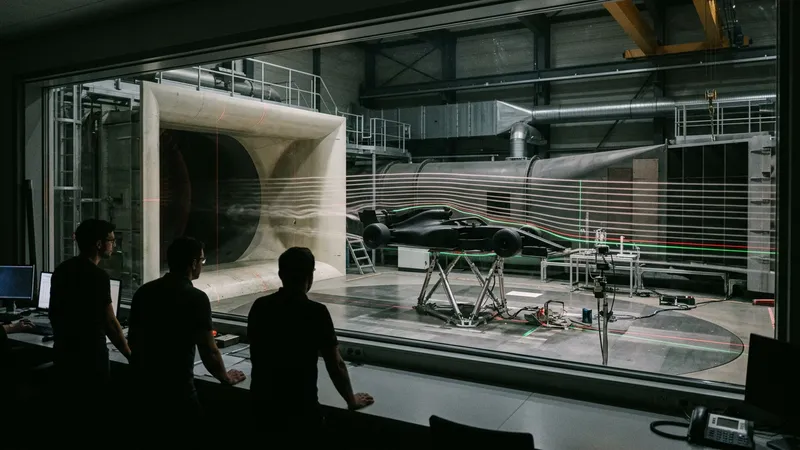
Audi has confirmed a significant infrastructure investment to establish a new operational campus in Hinwil, Switzerland, for its Formula 1 team. Partial operations at the site began in mid-2026, with the full project slated for completion in 2030. This investment follows Audi’s full acquisition of the team in January 2025, aiming to address historical underinvestment in the facility's technical capabilities.
Hinwil Site Centralizes F1 Efforts
The project involves modernizing existing wind tunnel and manufacturing assets at the Hinwil base, which previously operated with constrained budgets under prior ownership. This strategic move maintains a bifurcated operational structure, with engine development remaining at Audi's Neuburg, Germany, facility and a satellite office continuing its function in Bicester, UK.
Long-Term Strategy for Talent
The establishment of the Hinwil campus is intended to centralize technical operations, foster collaboration, and improve talent retention within the team. By creating a purpose-built environment, Audi aims to stabilize its competitive standing and integrate its workforce more effectively, following years marked by ownership transitions and operational uncertainty.
Mattia Binotto, Audi CEO and team principal, stated the campus will be crucial for attracting and retaining world-class talent, providing the necessary foundation to achieve the team's long-term ambitions in Formula 1.
Historical Investment Gaps Addressed
The Hinwil facility, originally founded by Peter Sauber in 1970, has a long history in Formula 1, including a period under BMW ownership. After BMW's departure in 2009, the team operated on a comparatively limited budget, necessitating substantial investment in infrastructure, including the Computational Fluid Dynamics (CFD) cluster and the wind tunnel, to bring them to current Formula 1 standards. This new investment directly addresses those long-standing needs.
More stories
- Rwanda to Host Formula 1 Grand Prix by 2030, Bypassing South Africa
- F1 Teams Divided Over Spending Rule Changes Amid Talent Drain Warning
- FIA Addresses F1 Power Unit Glitch After Malaysia Grand Prix
- Manchester City face Anfield fury after EPL verdict row
- Ronaldo Ranks Third in Football's 1,000-Game Club
- Chelsea's Chavarria Impresses in 5-1 Bournemouth Victory
- Rodri Praises Three Barcelona Players After Sevilla Victory
- De Zerbi Demands More From Solanke After Tottenham Loss
Latest news
- Trump claims Ukraine-Russia energy ceasefire agreement
- Zelensky condemns US-Russia diesel deal as Putin gift
- Trump announces Russia-Ukraine energy ceasefire as fuel prices climb
- HCW Biologics leads Cardio Diagnostics on 9 of 14 measures
- Lebanon seizes 500 kg explosives tied by officials to Hezbollah
- Nintendo Life polls 673 readers on Ocarina pronunciation
- ODM power-sharing demand tests Ruto as Washington watches Kenya stability