Asian Stocks Decline Amid Rising Oil Prices
Asian stocks fell for a second week on March 13, 2026, as rising oil prices fueled inflation concerns and reduced Fed rate cut expectations.
Atlas Newsdesk ·
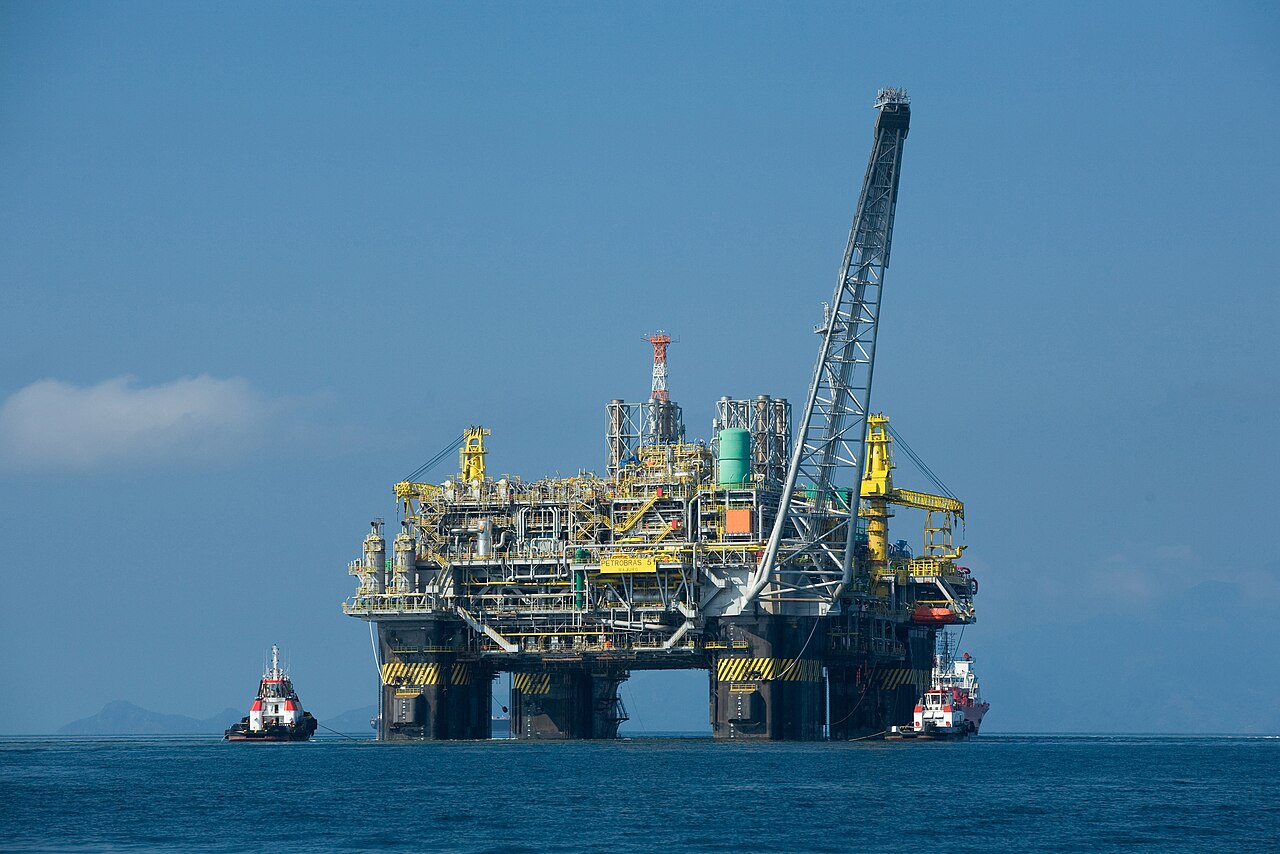
Asian equity markets registered a notable downturn on Friday, March 13, 2026, marking their second consecutive week of losses. This decline was primarily driven by a surge in global oil prices, which are approaching $100 per barrel, intensifying inflation concerns and dampening expectations for Federal Reserve interest rate reductions.
The MSCI's broadest index for Asia-Pacific shares outside Japan fell by 0.5% on Friday, contributing to a 1.5% weekly decrease. Major regional markets experienced significant drops, with Japan's Nikkei 225 index declining by 1.3%, South Korean equities falling by nearly 2%, and Taiwan's stock market seeing a 1% reduction. These movements reflect a broader investor reassessment of global economic conditions.
Geopolitical Tensions Fuel Oil Surge
The escalation of oil prices is largely attributed to ongoing geopolitical tensions in the Middle East, specifically involving the United States, Israel, and Iran. Iran's recent threats to disrupt shipping through the Strait of Hormuz, a critical global oil transit choke point, have introduced significant supply uncertainty into the market. This instability has pushed crude oil benchmarks higher, directly impacting energy-importing nations across Asia.
Monetary Policy Expectations Shift
Market participants are now adjusting their forecasts for future monetary policy actions by central banks. Expectations for Federal Reserve interest rate cuts have significantly diminished, with traders now anticipating only 20 basis points of easing for the entire year, a sharp reduction from the 50 basis points projected just last month.
This recalibration reflects the belief that persistent inflationary pressures, exacerbated by higher energy costs, will compel central banks to maintain tighter monetary policies for longer.
Global Market Volatility Increases
The shift in interest rate expectations has led to increased volatility across global financial markets. S. stock markets have experienced declines, and two-year Treasury yields reached a six-month high on Thursday, gaining 35 basis points since the conflict began in late February. S. dollar has strengthened as a safe-haven asset, appreciating by 2% since the onset of the conflict and poised for a second consecutive week of gains.
7% rise on Friday to $5,114 per ounce, it is set for a 1% weekly decline.
Upcoming Central Bank Decisions
Several key central banks, including the Federal Reserve, the Bank of Japan, the European Central Bank, and the Bank of England, are scheduled to hold policy meetings next week. The prevailing market consensus is that these institutions will likely maintain their current interest rates.
An exception is the Reserve Bank of Australia, which is anticipated to implement an interest rate hike, signaling divergent monetary policy paths among major economies in response to varying inflationary and growth dynamics.
Implications
Country Impact: Asian economies, heavily reliant on energy imports, face increased inflationary pressures and potential slowdowns in economic growth due to higher oil prices. Central banks in the region may face difficult choices between supporting growth and combating inflation.
Industry Impact: Energy-intensive industries and transportation sectors will experience higher operational costs, potentially impacting profitability and consumer prices. Conversely, the energy sector may see increased revenues, though geopolitical risks remain high.
Market Impact: Global equity markets are likely to remain volatile as investors re-evaluate risk premiums and monetary policy trajectories. Bond yields may continue to rise in anticipation of higher inflation and delayed rate cuts, while the U.S. dollar could strengthen further as a safe-haven asset.