Asian Markets Decline as Oil Prices Surge
Asian markets declined on March 13, 2026, as oil prices surged past $100/barrel due to Middle East tensions, raising recession fears.
Atlas Newsdesk ·
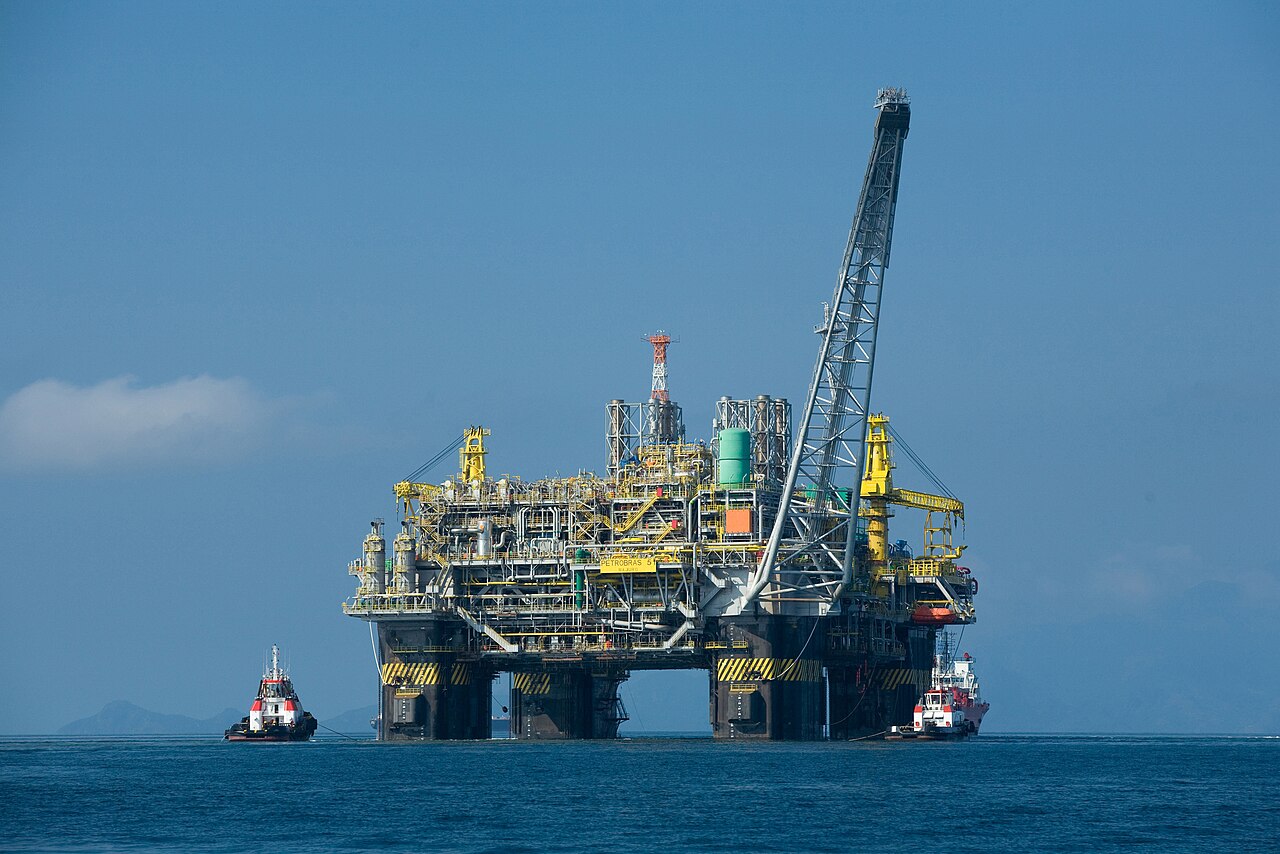
Asian-Pacific equity markets experienced significant declines on Friday, March 13, 2026, reacting to a sharp increase in global oil prices. This market downturn followed heightened geopolitical tensions in the Middle East, specifically threats concerning the Strait of Hormuz, a crucial maritime chokepoint for oil shipments.
International benchmark Brent crude futures surged by 9.22%, closing at $100.46 per barrel on Thursday, marking its first close above the $100 threshold since August 2022. Concurrently, U.S. West Texas Intermediate (WTI) futures also saw a substantial rise of 9.72%, settling at $95.73 per barrel. These price movements reflect growing concerns over potential supply disruptions.
Geopolitical Tensions Drive Oil Surge
The catalyst for the oil price spike was a statement attributed to Iran's Supreme Leader Mojtaba Khamenei, who reportedly threatened to close the Strait of Hormuz. This strategic waterway, situated between the Persian Gulf and the Gulf of Oman, is vital for global energy transit, with approximately one-fifth of the world's total petroleum liquids consumption passing through it daily. Such a closure would severely impact global oil supplies and prices.
Regional Market Performance
Major indices across the Asia-Pacific region registered losses. Japan's Nikkei 225 index fell by 2%, while South Korea's Kospi index declined by nearly 3%. Australia's S&P/ASX 200 also saw a decrease of 0.3%. In Hong Kong, the Hang Seng index dropped 0.2%, although mainland China's CSI 300 index showed a marginal gain of 0.3%.
These regional market movements mirrored a negative close on Wall Street, where the Dow Jones Industrial Average fell by nearly 740 points on Thursday. The broader market sentiment indicates investor apprehension regarding the economic implications of higher energy costs and geopolitical instability.
Economic Implications and Outlook
Analysts anticipate that oil prices will remain elevated in the near term due to the persistent geopolitical risks. Goldman Sachs, for instance, has projected Brent crude to average $98 per barrel for both March and April. Sustained high oil prices typically contribute to inflationary pressures and can dampen economic growth, increasing the risk of recession.
S. economic recession rising to 32%. Companies are also feeling the impact; Honda Motor's shares plummeted over 6% after the company forecast its first annual loss in nearly 70 years, highlighting the challenges faced by energy-intensive industries amid rising costs and uncertain economic conditions. The global economy, still navigating post-pandemic recovery and existing inflationary pressures, faces a new headwind from escalating energy prices.
Implications
Country Impact: Countries heavily reliant on oil imports, particularly in Asia, face increased inflationary pressures and potential slowdowns in economic growth. Energy-intensive industries within these nations will experience higher operational costs, impacting profitability and consumer prices.
Industry Impact: The energy sector, particularly oil and gas producers, stands to benefit from higher prices, while industries like manufacturing, transportation, and aviation will face significant cost increases. Automotive companies, such as Honda, are already forecasting losses due to these economic headwinds.
Market Impact: Global equity markets are likely to remain volatile, with a general downward trend in response to geopolitical risks and inflation concerns. Bond markets may see increased demand for safe-haven assets, while currency markets could experience shifts as investors react to varying national economic exposures to oil price shocks.