Asian Nations Cap Fuel Prices Amid Oil Surge
Asian governments, including South Korea and Thailand, cap fuel prices as global crude oil surpasses $100/barrel due to Middle East tensions.
Lauren Collins ·
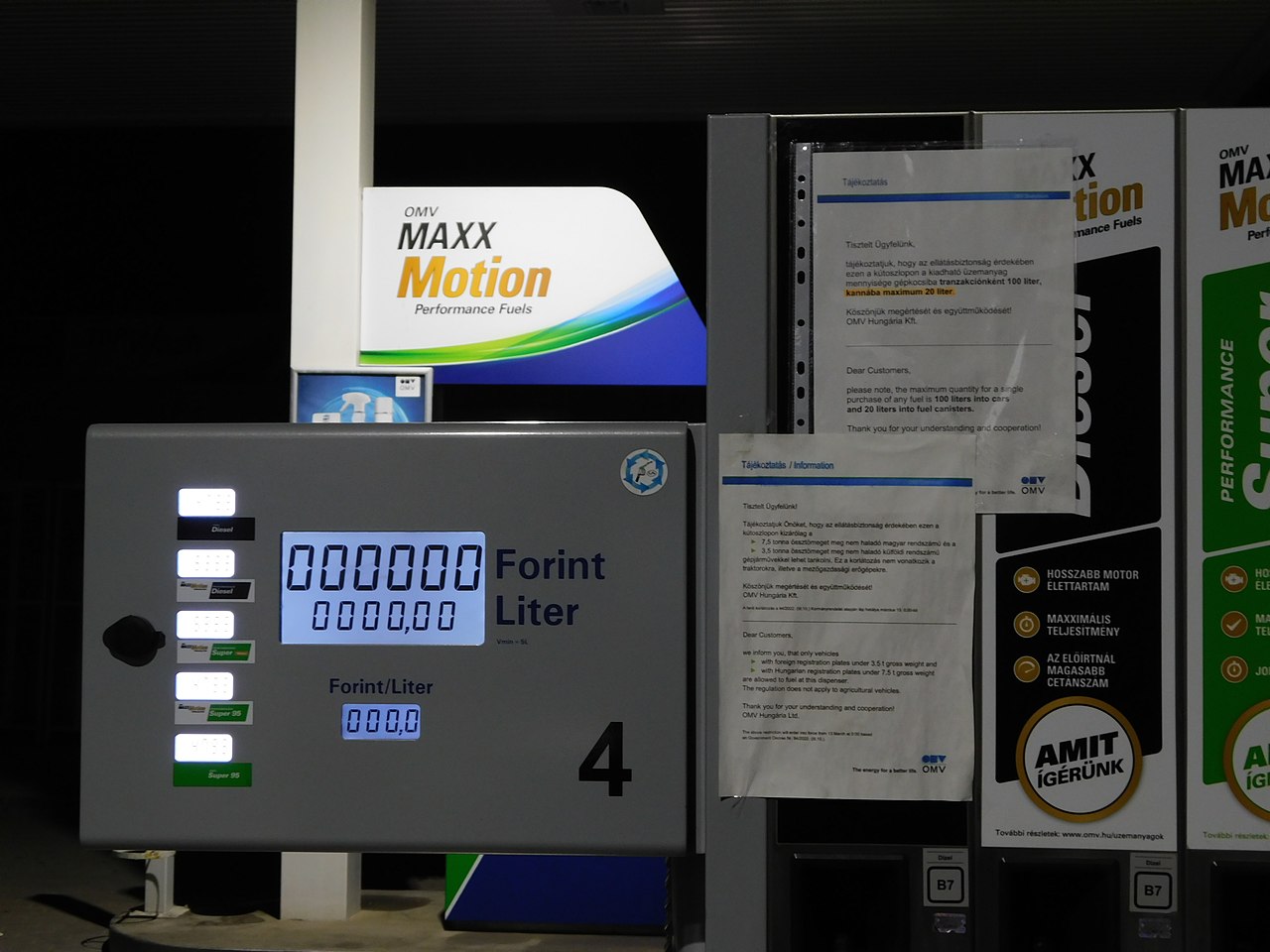
Multiple Asian governments have initiated measures to stabilize domestic fuel costs as global crude oil prices surpassed $100 per barrel this week. The price escalation is primarily linked to heightened geopolitical tensions in the Middle East, specifically concerns regarding potential disruptions to oil supplies transiting the Strait of Hormuz.
East Asian economies, heavily dependent on imported energy, are particularly vulnerable to these price fluctuations. The Strait of Hormuz is a crucial maritime chokepoint, facilitating the passage of approximately 20% of the world's oil supply. Recent threats from Iran regarding shipping in the strait, following regional airstrikes, have amplified market anxieties.
Government Responses to Rising Costs
South Korea's President Lee Jae Myung confirmed the immediate implementation of petrol price caps. The government also signaled its preparedness to expand its existing 100 trillion won ($67 billion) financial market stabilization program if economic conditions deteriorate further due to energy costs.
In Southeast Asia, Thailand's Prime Minister Anutin Charnvirakul enacted a 15-day ceiling on diesel prices. Concurrently, Vietnam's finance ministry is reportedly preparing legislative changes to temporarily eliminate taxes on imported fuels, aiming to mitigate the impact on consumers and businesses.
Broader Economic and Social Measures
The Philippines has introduced energy conservation strategies, including a four-day work week for most government agencies, to reduce overall energy consumption. Similarly, universities in Bangladesh have temporarily closed their campuses, a measure intended to conserve energy resources across the nation.
These governmental interventions reflect a broader regional effort to shield economies and citizens from the immediate effects of surging energy prices. The effectiveness and sustainability of such measures, however, are subject to the duration and intensity of the geopolitical factors driving the oil market.
Market Implications and Outlook
Analysts caution that while price caps offer immediate relief to consumers, they carry the risk of distorting market signals and potentially leading to panic buying, which could exacerbate supply issues. The long-term trajectory of oil prices remains contingent on the de-escalation of Middle Eastern conflicts and the avoidance of significant supply chain disruptions.
The current situation underscores the interconnectedness of global energy markets and geopolitical stability. Nations reliant on oil imports are compelled to balance immediate consumer protection with the potential for longer-term market inefficiencies. The global economy watches closely for developments in the Middle East, as they will directly influence energy costs and broader economic stability.
Implications
Country Impact: Asian nations face increased fiscal pressure as governments implement subsidies and tax cuts to manage fuel prices. Energy-importing economies are particularly vulnerable to inflation and potential economic slowdowns.
Industry Impact: Transportation, logistics, and manufacturing sectors will experience higher operational costs, potentially leading to increased consumer prices for goods and services. Energy-intensive industries may see reduced profitability.
Market Impact: Global energy markets are experiencing volatility, with crude oil prices reacting sharply to geopolitical events. This could lead to broader market instability, impacting equities, bonds, and currency valuations in energy-dependent economies.