Sudan Psychiatric Hospital Reopens Amid Conflict
Al-Tijani Al-Mahi Hospital in Sudan reopened in July 2025, providing vital mental health services amid the ongoing civil conflict.
Lauren Collins ·
Al-Tijani Al-Mahi Hospital, a significant psychiatric and neurological facility in Khartoum, Sudan, resumed operations in July 2025. This reopening marks a crucial development for mental healthcare in a nation grappling with the profound effects of civil conflict. The hospital, one of the oldest of its kind in Central and East Africa, had been severely damaged and looted following the outbreak of war in April 2023.
Initially, the hospital is serving 60-70 patients daily, an increase from its starting capacity of 50. Its services are vital for addressing a range of conditions exacerbated by the conflict, including post-traumatic stress disorder, depression, anxiety, and substance abuse, particularly methamphetamine addiction prevalent among young adults aged 23 to 40.
Reconstruction Efforts and Challenges
Dr. Mai Mohamed Youssef, the hospital's director, spearheaded the reopening efforts with a small group of volunteers. Their initiative followed the successful reversal of a demolition order issued in October 2024. The facility had suffered extensive damage, with medical equipment and infrastructure largely destroyed or stolen, necessitating a rebuilding process from a severely compromised state.
Operating with limited resources, the hospital has implemented practical solutions such as utilizing solar panels for electricity. A functional pharmacy has been established, though inpatient beds are not yet available. The War Patients Initiative plays a critical role by providing free treatment, offering essential support to families impacted by the crisis.
Humanitarian Crisis and Health Implications
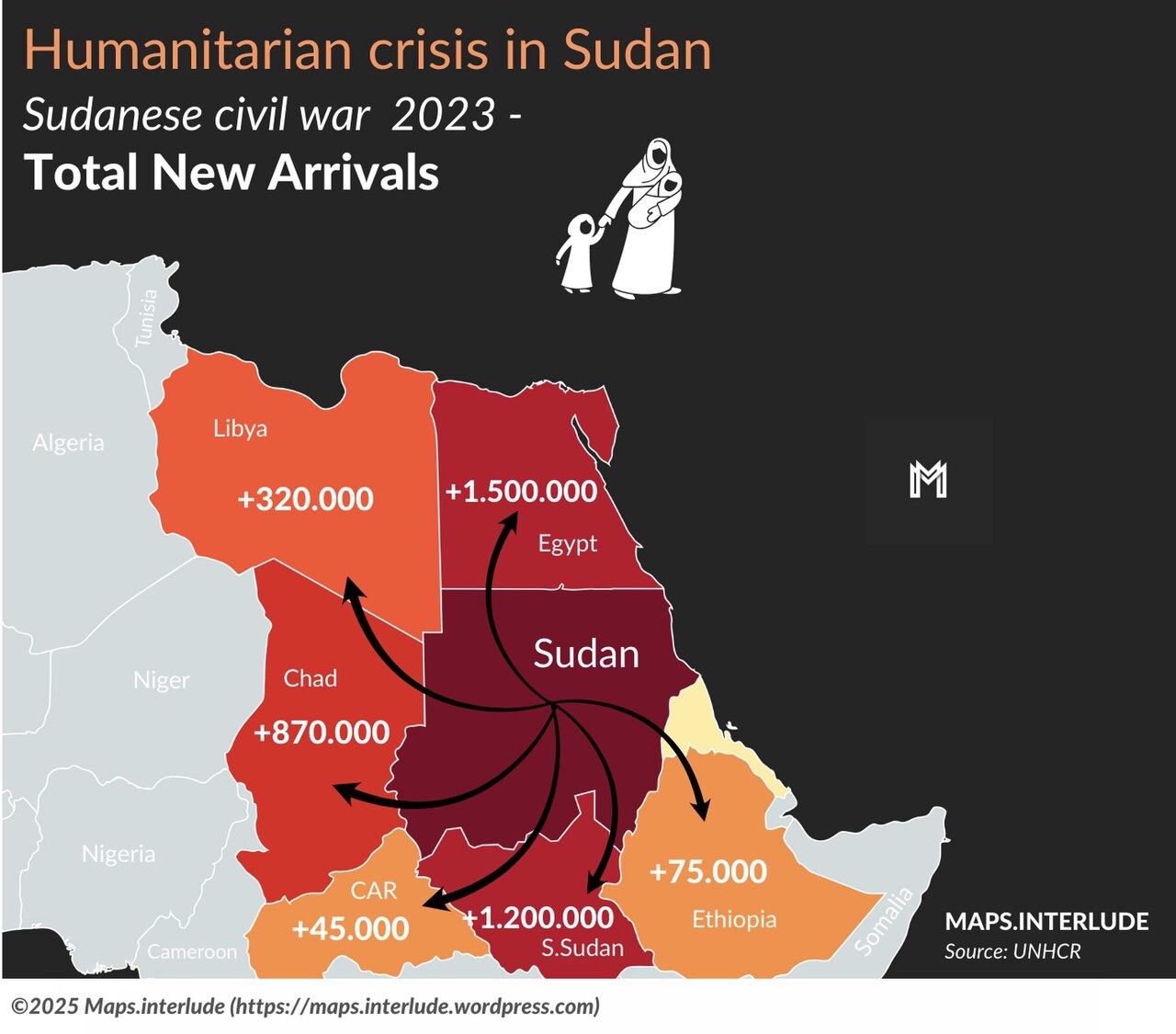
The ongoing civil war in Sudan has triggered a severe humanitarian catastrophe, leading to widespread displacement. According to a January 2026 World Health Organization (WHO) Health Emergency Appeal, over 9.3 million people have been internally displaced, and an additional 4.3 million have sought refuge outside the country. This mass displacement, coupled with the direct violence of the conflict, has created an urgent need for mental health services.
The conflict has also led to a near-total collapse of the broader healthcare system across Sudan. The reopening of Al-Tijani Al-Mahi Hospital is therefore critical, as it provides one of the few available avenues for addressing the extensive psychological trauma and escalating substance abuse issues directly linked to the prolonged instability and violence in the region.
The hospital's continued operation and expansion are essential for the long-term recovery and well-being of the Sudanese population.
Implications
Country Impact: The reopening provides a critical, albeit limited, mental health resource in Sudan, addressing widespread trauma and addiction exacerbated by the civil war. It highlights the severe strain on the nation's healthcare infrastructure and the urgent need for humanitarian aid.
Industry Impact: The healthcare sector in Sudan remains severely crippled, with this hospital representing a rare instance of recovery. It underscores the challenges faced by medical professionals in conflict zones and the reliance on volunteer efforts and international support for basic services.
Market Impact: The ongoing instability and humanitarian crisis in Sudan continue to deter foreign investment and disrupt local economic activity. The lack of basic services, including healthcare, contributes to long-term economic stagnation and increased dependency on external aid.