Hormuz Crisis: Inflation Soars, Global Growth Stalls
Strait of Hormuz disruptions have pushed oil and fuel prices higher, lifted inflation pressure, and lowered global and US GDP forecasts.
Atlas Newsdesk ·
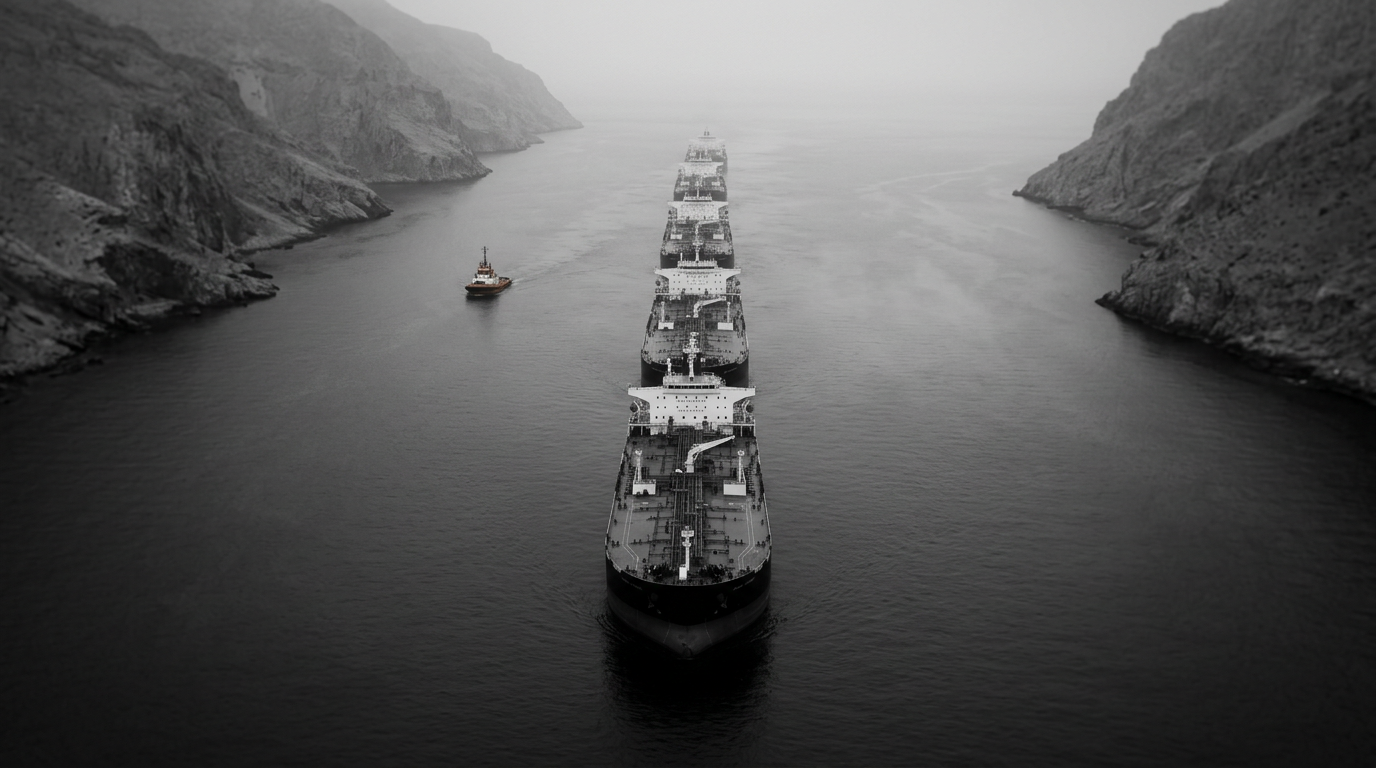
Disruptions linked to the Strait of Hormuz are pushing up global commodity prices and forcing economists to cut growth forecasts, according to the latest figures cited in updated projections. Talks tied to the conflict were described as stalled, raising the prospect that markets face a longer stretch of uncertainty.
Oil has been a central channel for the shock. WTI crude rose to $100.09 and Brent crude to $111.85, described as sharp gains since late February. Higher crude prices have fed into consumer energy costs, with US petrol close to $4.18 per gallon, the highest level in almost four years.
Oil and fuel costs feed into inflation readings
Inflation data is already reflecting the energy move. The US Consumer Price Index increased 3.3% year over year last month, with energy price inflation cited as the main driver.
Officials and forecasters expect the impact to extend beyond headline measures. The pass-through from energy to broader prices is expected to add to core inflation over the next year, with risks described as tilted to the upside if short-run inflation expectations shift.
Growth forecasts revised lower as shipping disruption persists
Revised projections also point to weaker output growth if shipping problems last. Global GDP growth forecasts were cut by 0.4 percentage points to 2.4%, reflecting expectations of prolonged disruption to shipping flows.
The downgrade is also visible in the US outlook. The US GDP growth forecast was reduced to 1.9% from 2.8%, with weaker activity cited in the updated view.
Trade and supply chains face broader commodity constraints
The Strait’s importance extends beyond oil and gas. The closure is described as affecting critical minerals and other commodities, including fertilizers and agricultural products, widening the range of sectors exposed to higher transport costs and delayed deliveries.
About 11% of global maritime trade is estimated to pass through the route, a scale that can transmit disruption across supply chains. The immediate effect is higher costs and logistical complications across multiple industries, though the duration remains uncertain as negotiations were reported to be at an impasse.