Mojtaba Khamenei Assumes Iran's Supreme Leadership
Mojtaba Khamenei has reportedly assumed Iran's Supreme Leadership after his father's alleged assassination, amidst ongoing regional conflict.
Lauren Collins ·
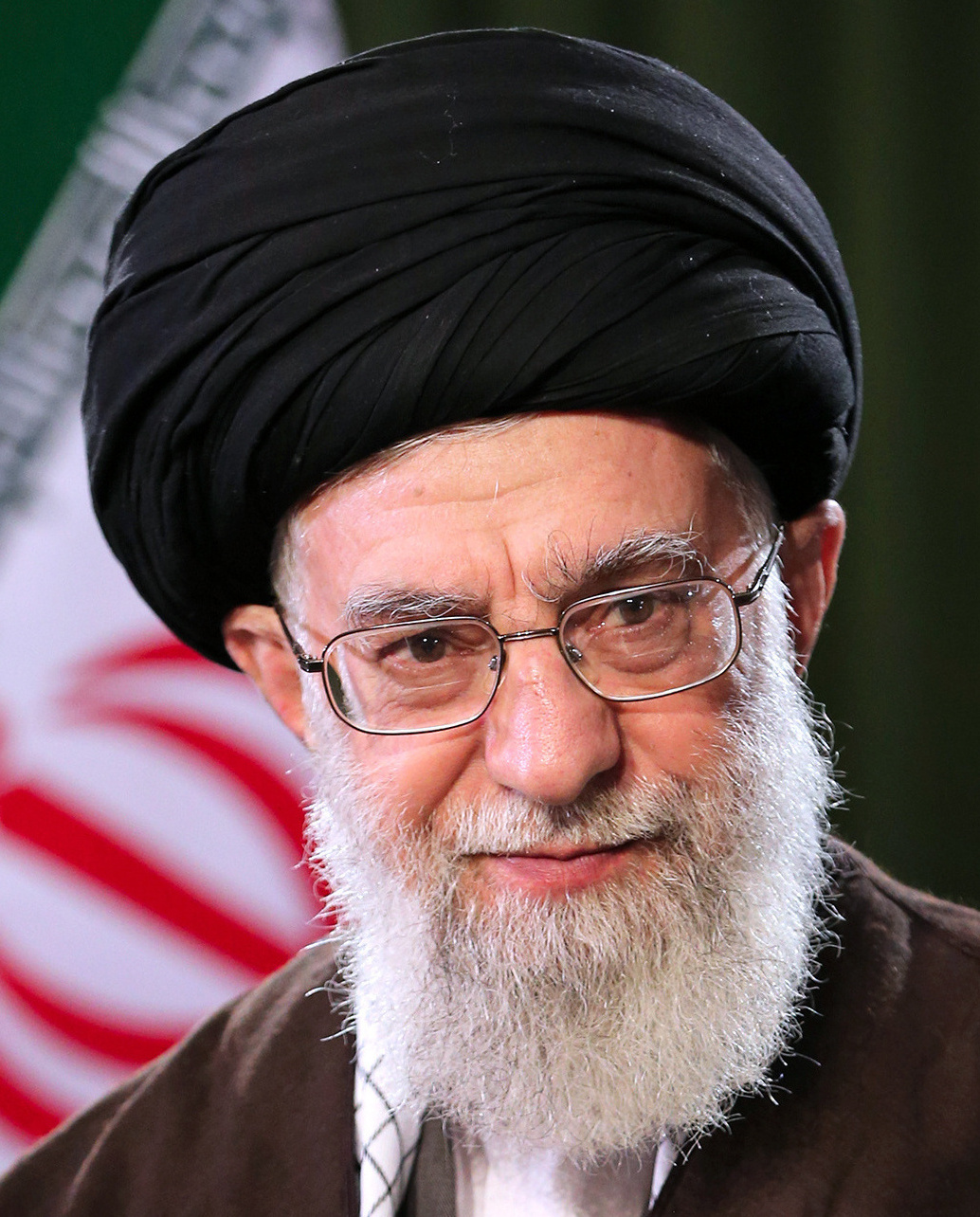
Mojtaba Khamenei has reportedly assumed the position of Iran's Supreme Leader, following the alleged assassination of his father, Ayatollah Ali Khamenei. The transition occurred on Sunday, March 7, 2026, just over a week after the elder Khamenei's reported death on February 28, 2026. This leadership change takes place amid heightened regional tensions and ongoing conflict.
Succession Amidst Regional Conflict
The reported death of Ayatollah Ali Khamenei, at 86 years old, is attributed to a United States-Israeli attack. This event has triggered significant mourning within Shia communities globally, including in northern Nigeria. Hundreds of individuals gathered in Kano, Nigeria, to express their condolences and support for the succession, viewing it as a continuation of the previous leader's policies.
Widespread Protests and Civilian Casualties
Protests have erupted across several Nigerian cities, including Kano, Kaduna, Kebbi, Gombe, Bauchi, Katsina, and Lagos. Demonstrators are calling for an end to the military actions targeting Iran. The ongoing conflict has resulted in a substantial number of casualties within Iran, with at least 1,255 fatalities reported. This figure includes 160 girls in the city of Minab, highlighting the civilian impact of the hostilities.
Ayatollah Ali Khamenei's Legacy
Ayatollah Ali Khamenei, who became Iran's Supreme Leader in 1989, played a pivotal role in shaping the nation's political and military trajectory. His leadership focused on fostering self-reliance, particularly in response to Western sanctions. He was also a key figure in influencing regional dynamics and Iran's foreign policy.
Impact on Iranian Infrastructure
The current military actions have severely affected critical infrastructure within Iran. Reports indicate damage to hospitals, residential buildings, and historical sites across the country. This destruction exacerbates the humanitarian crisis and poses long-term challenges for reconstruction and recovery efforts.
International and Domestic Implications
The reported succession of Mojtaba Khamenei and the circumstances surrounding his father's death are likely to have profound implications for both Iran's domestic stability and its international relations. The continuity of the "resistance" narrative, as articulated by mourners, suggests a potential adherence to established foreign policy stances.
The international community will closely monitor the new leadership's approach to regional conflicts and its engagement with global powers, particularly given the alleged involvement of the United States and Israel in the preceding events. The humanitarian situation and the calls for de-escalation from various international actors underscore the urgency of addressing the ongoing conflict.
Implications
Country Impact: The reported leadership transition in Iran, following the alleged assassination of Ayatollah Ali Khamenei, could lead to significant internal political shifts and potential instability. The continuation of the 'resistance' narrative suggests a consistent foreign policy stance, potentially escalating regional tensions. Civilian casualties and infrastructure damage will necessitate extensive recovery efforts.
Industry Impact: The ongoing conflict and leadership change in Iran could impact global energy markets, particularly oil and gas, due to potential supply disruptions or increased geopolitical risk premiums. Industries reliant on Middle Eastern trade routes may face increased logistical challenges and insurance costs. Reconstruction efforts in Iran could create demand in specific sectors like construction and engineering.
Market Impact: Global financial markets may react to increased geopolitical uncertainty stemming from the leadership change and conflict in Iran. Equity markets could experience volatility, while safe-haven assets like gold and government bonds might see increased demand. Oil prices are particularly sensitive to events in the Middle East, and any escalation could lead to significant price fluctuations.