Gaza Aid Flow Severely Restricted After Iran Strikes
Gaza aid flow severely restricted after February 28 Iran strikes, halting critical supplies and medical evacuations for two million residents.
Lauren Collins ·
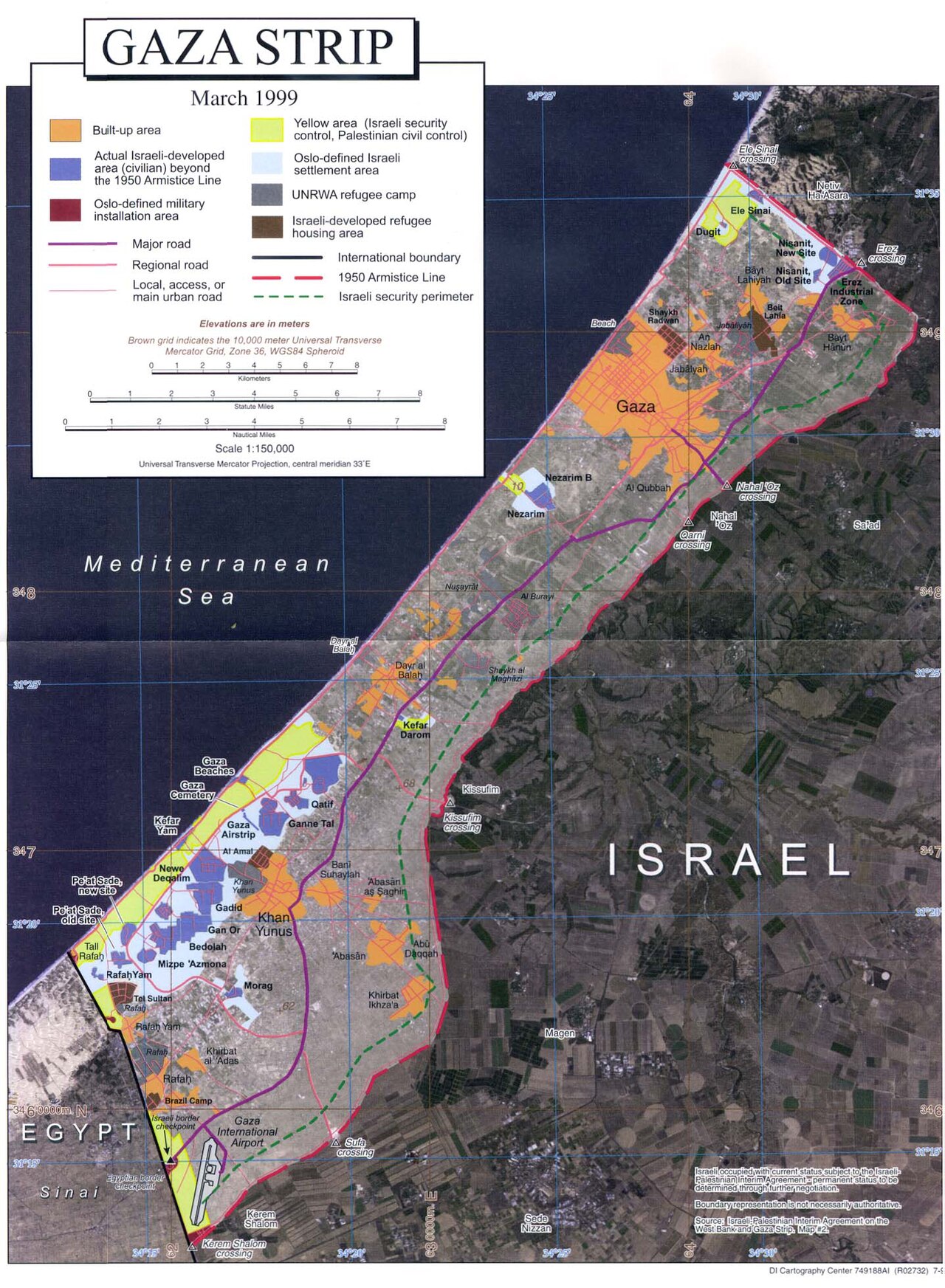
Humanitarian aid deliveries into the Gaza Strip have faced severe disruptions following recent military actions involving Israel and the United States against Iran on February 28. This escalation led to the closure of critical border crossings, effectively halting the entry of essential supplies and preventing medical evacuations for critically ill patients. The renewed restrictions have reversed modest improvements in the humanitarian situation observed earlier in the month.
Prior to these developments, the Rafah crossing had partially reopened on February 2, facilitating the departure of over 500 Palestinian patients seeking medical treatment outside the enclave. Additionally, an increase in food aid had contributed to stabilizing local prices and alleviating severe food shortages. These gains, however, have been undermined by the subsequent closures, impacting Gaza's population of approximately two million residents.
Border Closures Impact Aid Deliveries
Despite claims by Israel of reopening one crossing for around 200 aid trucks daily, this volume falls significantly short of the 600 trucks per day stipulated in the October 10 ceasefire agreement. The reduced flow exacerbates an already dire situation where over 80% of Gaza's infrastructure remains damaged or destroyed, according to various international reports.
Humanitarian Crisis Deepens Amid Geopolitical Shifts
The recent focus on the broader regional conflict with Iran has diverted international attention from the ongoing humanitarian crisis in Gaza. This shift in focus risks prolonging the severe conditions and delaying crucial reconstruction efforts. Over 1.5 million people in the territory are projected to face acute food insecurity through the spring months.
Hamas Reasserts Administrative Control
Concurrently, reports indicate that Hamas is actively re-establishing administrative control in areas not currently occupied by Israeli forces. This includes activities such as tax collection and the enforcement of new regulations, suggesting a rebuilding of its civil administration capabilities. Israeli Defense Minister Israel Katz has affirmed the continuation of military pressure against Hamas.
Long-Term Implications for Gaza's Recovery
The combination of restricted aid access, ongoing geopolitical tensions, and the re-emergence of Hamas's administrative functions presents significant challenges for Gaza's recovery. The limited prospects for immediate improvement in humanitarian conditions underscore the urgent need for sustained international intervention and a stable mechanism for aid delivery and reconstruction.
The long-term stability of the region remains contingent on addressing both the immediate humanitarian needs and the underlying political complexities.
Implications
Country Impact: The Gaza Strip faces a deepening humanitarian crisis with severe restrictions on aid, exacerbating food insecurity and hindering medical access for its two million residents. Reconstruction efforts are stalled amid ongoing conflict.
Industry Impact: Humanitarian aid organizations face significant operational challenges due to border closures and geopolitical shifts, impacting their ability to deliver essential supplies and services effectively within Gaza.
Market Impact: The regional geopolitical tensions, particularly involving Iran, contribute to instability, potentially affecting energy markets and investor confidence in the broader Middle East, while humanitarian aid markets face increased demand and logistical hurdles.