Netanyahu Reframes Iran Conflict Objectives
Netanyahu reframes Israel's Iran conflict objectives, emphasizing regional power shifts and military degradation over regime change.
Lauren Collins ·
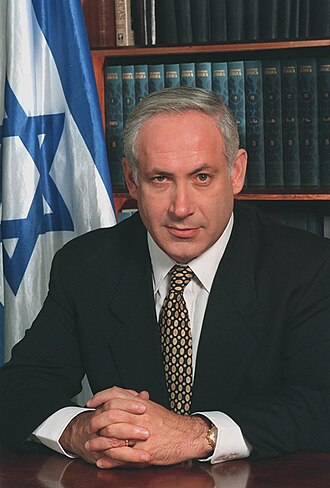
Israeli Prime Minister Benjamin Netanyahu has publicly redefined the strategic goals of the ongoing military actions against Iran, shifting focus from regime change in Tehran to altering the regional balance of power. This revised narrative emerges as prospects for an internal uprising within Iran appear to have receded, a scenario Netanyahu had previously advocated.
Netanyahu, a prominent figure in Israeli politics known for his firm stance on Iran, asserted in a recent press conference that the military campaign has fundamentally reshaped the Middle East. He stated that the current situation represents a new era for Iran, the region, and Israel, indicating a significant departure from previous conditions.
Strategic Shift in Focus
Israeli military and political leaders are now emphasizing that the operations have substantially weakened Iran's military infrastructure, particularly its weapons development programs. This degradation of capabilities is presented as crucial for ensuring Israel's long-term security and existence in the region.
Lieutenant Colonel Nadav Shoshani of the Israel Defense Forces has indicated that the damage inflicted on Iranian production facilities, leadership structures, and missile stockpiles is considerable. He suggested that these actions would neutralize threats for an extended duration, reinforcing the new strategic framing.
Political Context and Analysis
This adjustment in rhetoric allows the Israeli government to characterize the military campaign as successful, even without achieving the long-held objective of overthrowing the Iranian government. The previous aspiration for regime change in Iran has been a consistent theme in Netanyahu's political career.
However, analysts like Neri Zilber highlight potential political risks for Netanyahu. His earlier pledges of "total victory" against Iran's regional proxies, such as Hamas and Hezbollah, have not been fully realized, which could complicate the public perception of success regarding the current Iranian campaign. The shift in narrative may also be an attempt to manage expectations and consolidate public support amidst ongoing regional tensions.
Regional Implications and Outlook
The redefinition of objectives could have broader implications for regional stability and international diplomacy. It signals a potential recalibration of Israel's long-term strategy towards Iran, moving towards a more direct confrontation of military capabilities rather than internal political transformation.
Future developments will likely involve continued monitoring of Iran's military resurgence capabilities and the responses from regional and international actors. The effectiveness of the stated degradation of Iranian military assets will be a key factor in assessing the long-term impact of this strategic shift.
Implications
Country Impact: Israel's domestic political landscape may see shifts as Prime Minister Netanyahu redefines success metrics for military operations. Iran's internal stability and military reconstruction efforts will be under increased scrutiny.
Industry Impact: Defense and security industries in the Middle East could experience increased demand for advanced military technologies and intelligence services. Energy markets may react to perceived changes in regional stability.
Market Impact: Regional stock markets might show volatility based on the perceived success or failure of these military objectives. Geopolitical tensions could influence oil prices and investor confidence in the broader Middle East.