US Military Aircraft Crashes in Iraq, Regional Tensions Rise
A US military KC-135 aircraft crashed in Iraq as regional tensions escalated with multiple drone and missile attacks across the Middle East.
Lauren Collins ·
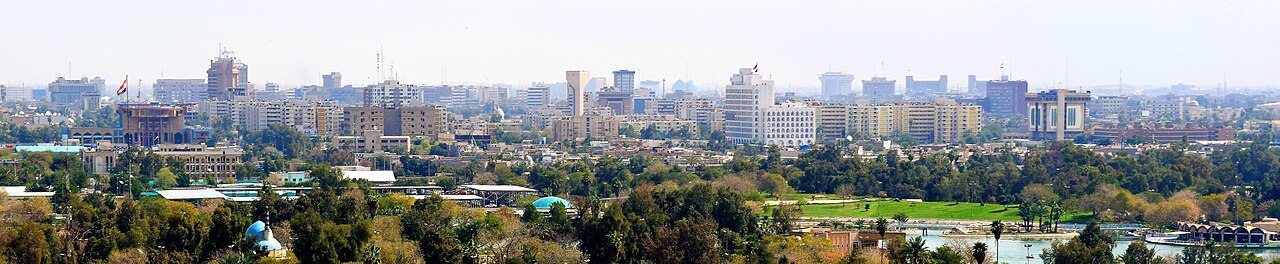
A United States military KC-135 refueling aircraft crashed in Iraqi airspace on Tuesday, prompting immediate rescue operations for its five crew members. U.S. Central Command confirmed the incident was not caused by hostile or friendly fire, with investigations into the cause underway. This event occurred amidst a broader escalation of military activities and heightened tensions across the Middle East.
Simultaneously, the region experienced a series of cross-border attacks. Israel conducted new strikes targeting locations in Tehran and Beirut. An Iranian ballistic missile subsequently impacted central Israel, though no injuries were reported from that specific incident. These actions underscore the volatile security environment.
Escalating Regional Military Actions
Multiple drone and missile attacks have been reported across various Middle Eastern nations. French soldiers sustained injuries in Iraq during counter-terrorism training due to a drone attack. Separately, a base in Erbil, northern Iraq, housing both U.S. and UK forces, was targeted by an Iranian drone, indicating a widening scope of engagement.
Saudi Arabia's defense systems intercepted a drone and a ballistic missile. Qatar also reported intercepting two ballistic missiles, one cruise missile, and multiple drones, all of which were identified as originating from Iran. These interceptions highlight the advanced capabilities and widespread deployment of aerial threats in the region.
Strategic Responses and Political Rhetoric
U.S. Treasury Secretary Scott Bessent outlined potential future naval operations, stating that the U.S. Navy intends to escort vessels through the Strait of Hormuz. This action is contingent upon establishing air superiority and a reduction in Iran's missile capabilities, signaling a strategic focus on maritime security and deterrence.
Former U.S. President Donald Trump commented on the situation, asserting that his "war on Iran" was advancing rapidly and that Iran was incurring significant costs. Israeli Prime Minister Benjamin Netanyahu linked Israeli military actions to efforts to prevent Iran's nuclear and ballistic missile programs from being moved to underground facilities, claiming some strikes have resulted in the deaths of Iranian nuclear scientists.
Context of Ongoing Geopolitical Dynamics
The recent military incidents and political statements reflect the complex and long-standing geopolitical dynamics in the Middle East. The U.S. military presence in Iraq, aimed at counter-terrorism efforts, operates within a region frequently impacted by proxy conflicts and direct confrontations involving state and non-state actors. The Strait of Hormuz remains a critical chokepoint for global oil shipments, making its security a key international concern.
These developments contribute to an environment of uncertainty for global markets, particularly concerning energy prices and regional stability. The interplay between military actions, diplomatic efforts, and economic pressures continues to shape the strategic landscape, with potential implications for international trade and security alliances.
Outlook on Regional Stability
The ongoing investigations into the U.S. military aircraft crash and the responses to the various drone and missile attacks will be crucial in determining immediate next steps. The rhetoric from key political figures suggests a continued hardline stance from both the U.S. and Israel regarding Iran's regional influence and nuclear ambitions. The international community remains watchful for any further escalation that could destabilize global energy supplies and trade routes.
Implications
Country Impact: Iraq faces increased security challenges with foreign military incidents and drone attacks on its soil, potentially complicating its internal stability and counter-terrorism efforts. Regional states like Saudi Arabia and Qatar are actively defending against aerial threats, indicating a broader security concern.
Industry Impact: The energy sector faces potential volatility due to heightened tensions in the Middle East, particularly concerning the Strait of Hormuz. Increased military activity and threats to shipping routes could impact oil prices and global supply chains.
Market Impact: Global financial markets may react to the escalating geopolitical risks, with potential impacts on commodity prices, particularly oil. Investor sentiment could become more cautious regarding investments in the Middle East and related sectors.