US Intelligence Rejects Iran Regime Collapse Claims
US intelligence reports indicate Iran's government is not collapsing, contradicting former President Trump's claims amid an ongoing conflict.
Lauren Collins ·
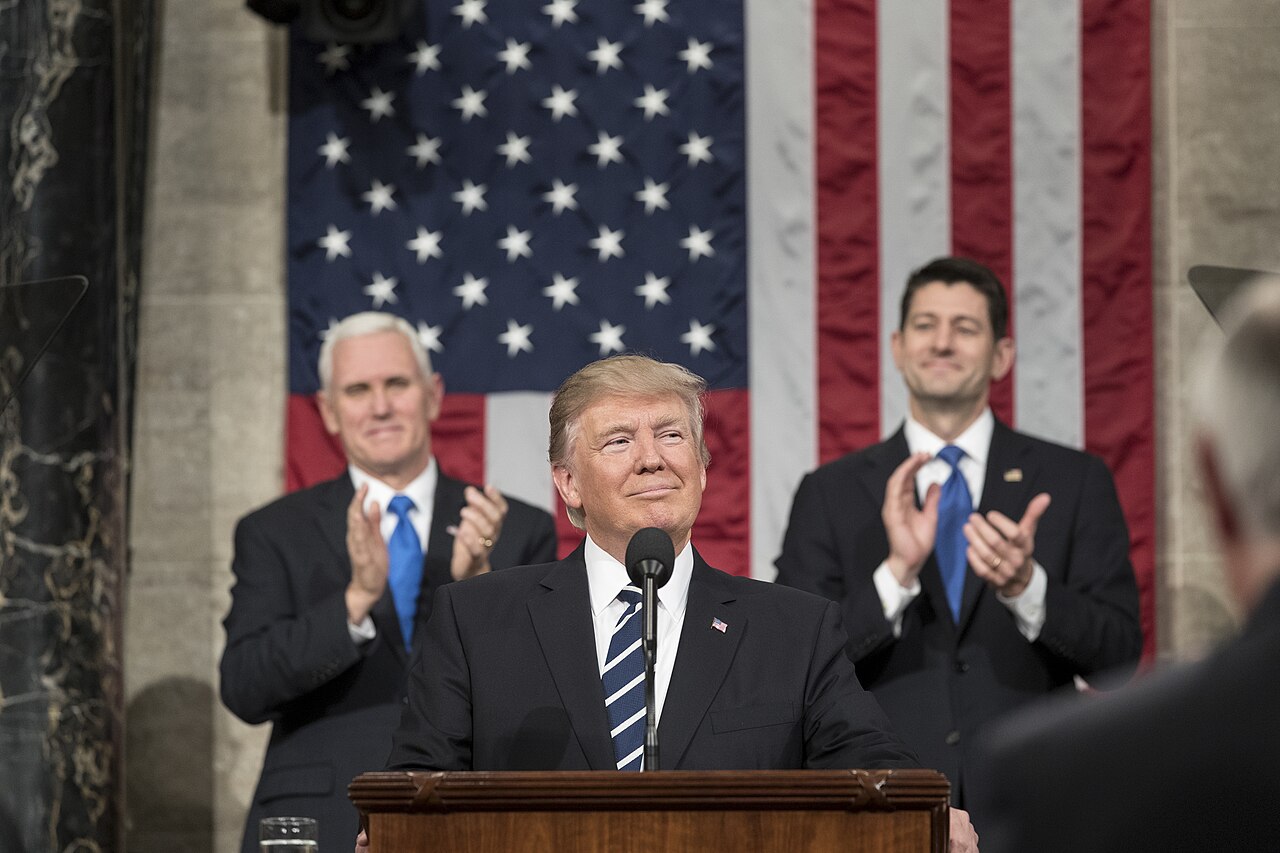
Recent assessments from U.S. intelligence agencies indicate that the Iranian government is not facing imminent collapse, directly challenging public statements made by former President Donald Trump. These findings, based on reports completed in early March 2026, suggest that the Iranian leadership retains significant control and stability, even as a conflict with U.S. and Israeli forces entered its eleventh day.
Intelligence sources, who spoke on March 11, 2026, confirmed that the regime's structure remains largely intact. This perspective contrasts sharply with former President Trump's assertions on March 10 and 11, 2026, where he claimed the conflict was largely "won" and that U.S. forces were operating with significant freedom within Iran. Trump had also called for Iran's "unconditional surrender."
Intelligence Findings on Iranian Stability
Despite the deaths of Ayatollah Ali Khamenei and several high-ranking military officials on the first day of the conflict, intelligence reports suggest a smooth leadership transition. Mojtaba Khamenei, the son of the late Ayatollah, has reportedly assumed leadership, maintaining continuity within the government. This transition has not, according to intelligence, led to any signs of internal fragmentation or a willingness to negotiate surrender.
These intelligence conclusions imply that any ongoing military operations by the U.S. and Israel could lead to a prolonged engagement. The consistent assessment across various intelligence reports is that the Iranian regime is not currently at risk of falling. This analysis underscores a significant divergence between intelligence community findings and political rhetoric regarding the conflict's trajectory.
Context of the Conflict
The current conflict, which began approximately eleven days prior to these intelligence assessments, has seen significant developments, including the loss of key Iranian figures. Historically, leadership changes in Iran, particularly those involving the Supreme Leader, have been carefully managed to ensure stability and prevent internal power struggles. The swift succession of Mojtaba Khamenei appears to align with this pattern, at least from the perspective of U.S. intelligence.
Neither the Office of the Director of National Intelligence nor the Central Intelligence Agency provided official comments on these specific intelligence reports. However, the consistent nature of the assessments across multiple intelligence channels lends weight to their conclusions regarding Iran's internal resilience.
The implications for regional stability and international policy are substantial, as a protracted conflict scenario would necessitate different strategic considerations than one anticipating a rapid regime change.
Implications for Policy and Strategy
The intelligence community's view suggests that military pressure alone may not achieve a swift resolution or lead to the collapse of the Iranian government. S. and allied forces, potentially shifting focus from regime change to containment or de-escalation. The discrepancy between intelligence findings and political statements highlights the complexities of assessing geopolitical situations during active conflicts and the potential for differing interpretations of events.
Implications
Country Impact: The intelligence assessment suggests Iran's leadership remains stable, potentially leading to a prolonged conflict. This could strain Iran's resources and population, but without immediate collapse.
Industry Impact: A protracted conflict could impact global energy markets due to potential disruptions in the Middle East. Defense industries might see increased demand for military hardware and services.
Market Impact: Global financial markets could experience increased volatility due to geopolitical uncertainty. Oil prices might rise, and investor confidence in regional stability could decline, affecting various asset classes.