S&P 500 Volatility Amid Geopolitical Concerns
The S&P 500 faces volatility due to geopolitical tensions and rising oil prices, with key technical levels determining its near-term direction.
Atlas Newsdesk ·
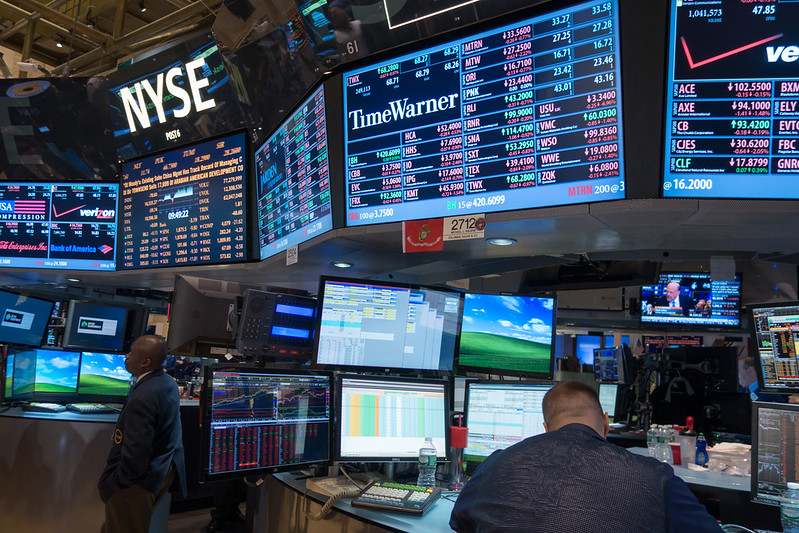
Global equity markets, particularly the S&P 500 index, are currently navigating a period of heightened volatility, primarily influenced by escalating geopolitical tensions and a corresponding rise in oil prices. 9%, reflecting recent market turbulence. Analysts are closely monitoring key technical levels to determine the market's short-term trajectory, assessing potential for either a sustained recovery or further downward pressure.
Market Technical Levels Under Scrutiny
Market strategists are identifying specific price thresholds as critical indicators for the S&P 500's immediate future. For the Invesco QQQ Trust Series (QQQ), a key exchange-traded fund tracking the Nasdaq 100, a move above 620 is considered essential to re-establish an upward trend. Conversely, a decline below 590 could signal a more significant downturn for the technology-heavy index.
For the broader S&P 500, surpassing the recent peak of 6,845 is seen as crucial for any meaningful rebound. Such a move could potentially open the path towards resistance levels at 6,907 and subsequently 6,952. These levels represent potential targets for upward momentum should buying interest return.
Downside Risks and Support Levels
Conversely, a breach of critical support levels could trigger increased selling pressure. A fall below the December low of 6,717 for the S&P 500 would shift focus to the November 2025 low of 6,521 as the next significant support. An immediate downside watch point for the S&P 500 is Monday's low of 6,636.
Should the index fall below 6,636, the next critical level is 6,591, which corresponds to the 200-day simple moving average—a widely watched technical indicator. A sustained move below 6,591 could lead to a decline towards 6,500, representing a 7.5% drop from its all-time highs and aligning with the intraday low observed on October 10.
Geopolitical Factors and Oil Prices
The current market unease is significantly linked to geopolitical developments, particularly those involving Iran, which have contributed to rising global oil prices. Higher energy costs can exert inflationary pressure, impacting corporate earnings and consumer spending, thereby influencing central bank policy decisions. Investors are weighing these external factors against corporate fundamentals and economic data.
Outlook and Investor Sentiment
The interplay between technical market indicators, geopolitical events, and macroeconomic data will likely dictate market sentiment in the coming weeks. Traders and institutional investors are closely monitoring these dynamics, adjusting portfolios in response to perceived risks and opportunities. The current environment underscores the sensitivity of global markets to both internal technical signals and external political developments.
Implications
Country Impact: Increased market volatility in the United States could lead to cautious consumer and business spending, potentially impacting GDP growth forecasts. Federal Reserve policy decisions may also be influenced by sustained market instability and inflationary pressures from oil.
Industry Impact: Sectors sensitive to energy prices, such as transportation and manufacturing, could face increased operational costs. Technology and growth stocks, often represented by the QQQ, may experience greater fluctuations due to their higher beta and sensitivity to investor sentiment.
Market Impact: Global equity markets are likely to remain sensitive to geopolitical headlines and oil price movements. Bond yields may react to inflation expectations, while currency markets could see shifts as investors seek safe-haven assets or react to central bank policy outlooks.