JBS Workers Strike Over Labor Practices in Colorado
JBS workers in Colorado plan a strike over alleged unfair labor practices, potentially impacting U.S. meat prices and supply chains.
Atlas Newsdesk ·
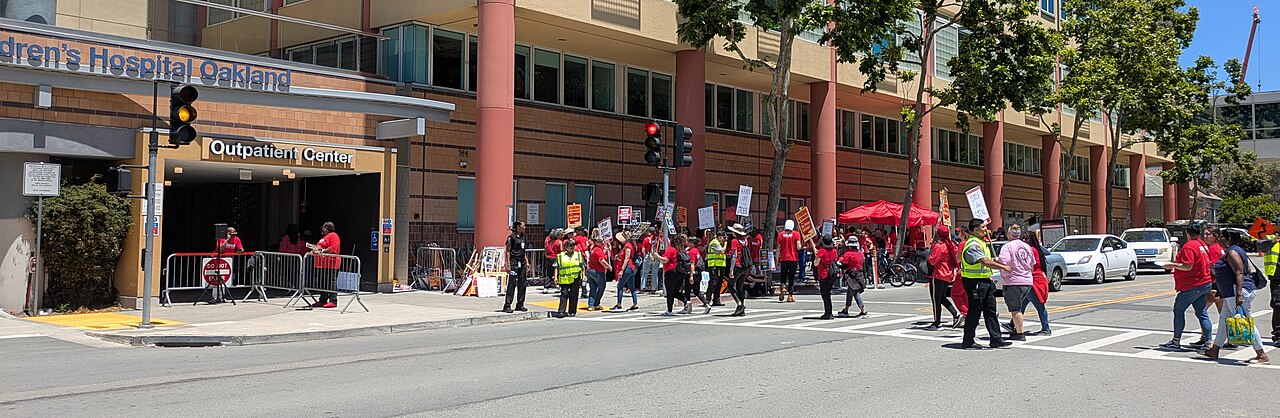
Approximately 3,800 employees of JBS USA, a significant meat processing company, are set to commence an unfair labor practice strike on Monday, March 16. The industrial action targets a key beef production facility located in Greeley, Colorado, following protracted contract negotiations.
This strike, authorized by a 99% vote among members of United Food and Commercial Workers (UFCW) Local 7, marks a rare occurrence within the U.S. meatpacking sector. The union asserts that JBS has engaged in various unfair labor practices, including charging workers for essential personal protective equipment and alleged discrimination against immigrant staff. Furthermore, the union claims that proposed wage increases have been insufficient.
Negotiation Breakdown and Union Allegations
The dispute stems from nine months of stalled contract talks between UFCW Local 7 and JBS. The union's primary grievances center on what it describes as JBS's failure to adhere to fair labor standards. These allegations include the imposition of costs for safety gear, which the union argues should be provided by the employer, and discriminatory treatment of its immigrant workforce.
JBS, for its part, maintains that its operations are fully compliant with all applicable labor laws. The company has indicated plans to reallocate production to other facilities to minimize potential disruptions to its supply chain and market commitments. JBS also stated that UFCW Local 7 declined to present its members with a contract offer that aligned with a national agreement reached in 2025 with UFCW International.
Economic Context and Market Implications
This labor dispute emerges against a backdrop of rising meat prices in the United States. Last year, ground beef prices experienced a 15% increase, indicating existing inflationary pressures within the sector. A prolonged strike could further exacerbate these price trends, impacting consumers and the broader food supply chain.
JBS Beef North America reported substantial revenues, with $7.2 billion in the third quarter of 2025. The company's financial performance underscores its significant role in the global meat market. Any sustained disruption to its operations, particularly at a major facility like Greeley, could have ripple effects across the industry.
Historical Context of Labor Actions
Strikes within the U.S. meatpacking industry have been infrequent in recent decades, making this action particularly notable. Historically, the sector has seen significant labor unrest, but consolidation and changes in labor laws have reduced large-scale industrial actions. This strike could signal a renewed assertiveness by labor unions in critical sectors, especially given current economic conditions and increased public awareness of essential worker rights.
The outcome of this dispute could set a precedent for future labor negotiations in the food processing industry. Both the union and JBS are under pressure to resolve the conflict, balancing worker demands with operational continuity and market stability. The situation highlights ongoing tensions between corporate profitability and labor compensation in essential industries.
Implications
Country Impact: A prolonged strike could contribute to further increases in U.S. meat prices, impacting consumer spending and potentially adding to inflationary pressures within the food sector. It also highlights broader labor relations challenges in essential industries.
Industry Impact: The meatpacking industry could face supply chain disruptions and increased operational costs if the strike is sustained. Other companies in the sector may observe the outcome closely for implications on future labor negotiations and worker demands.
Market Impact: Investors in the food processing and agricultural sectors may monitor the situation for potential impacts on company earnings and stock performance. Commodity markets, particularly for beef, could see price volatility if production capacity is significantly affected.