Hegseth's Iran Stance: A Decade of Confrontational Rhetoric
U.S. Defense Secretary Pete Hegseth's past rhetoric reveals a consistent, confrontational stance toward Iran, framing it as a major adversary.
Lauren Collins ·
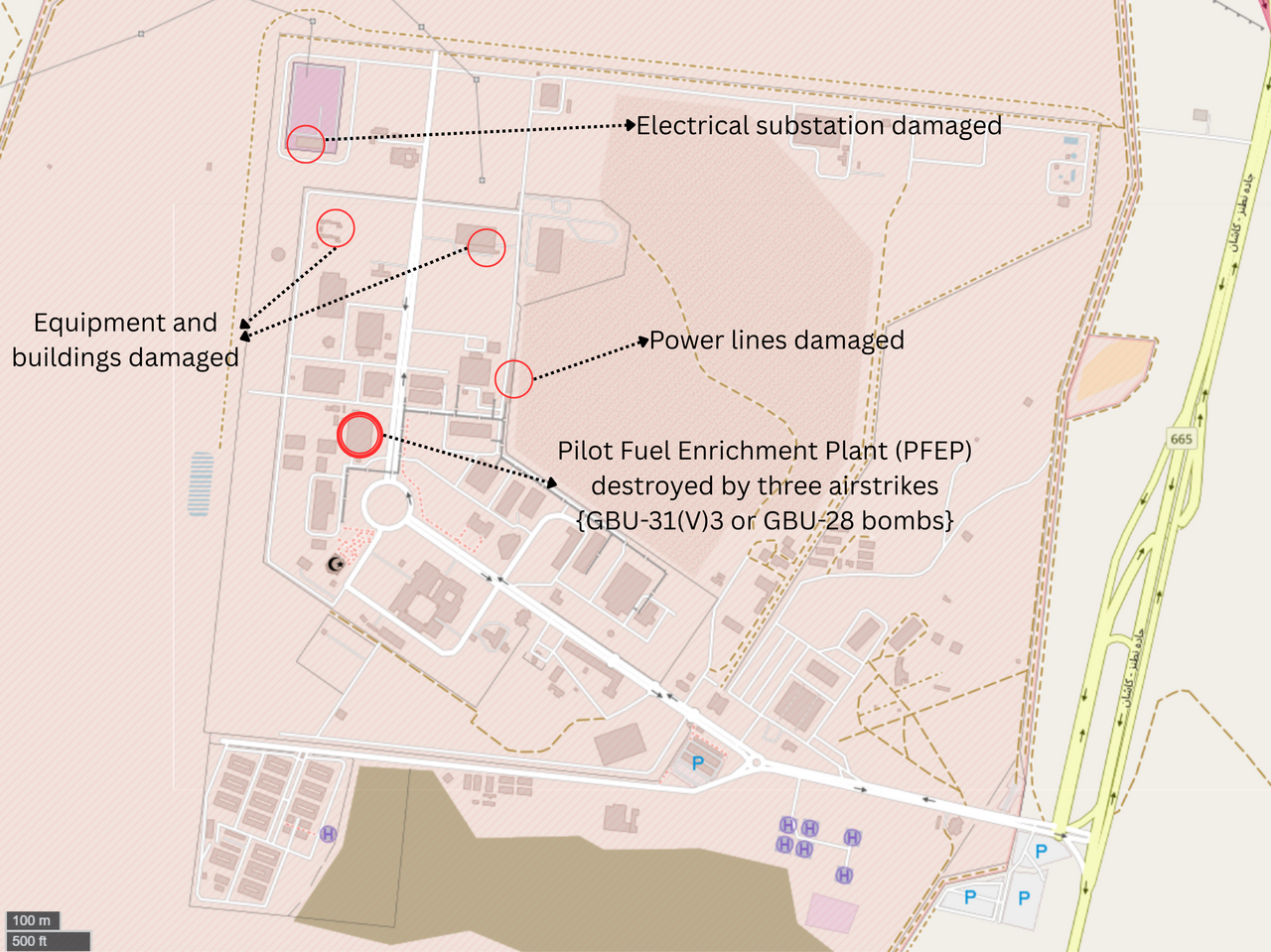
U.S. Defense Secretary Pete Hegseth has maintained a consistently confrontational stance toward Iran, as evidenced by a review of his public statements spanning several years. This historical record, compiled from his books, media appearances, and speeches, predates his current appointment and highlights a long-held view of Iran as a primary adversary.
His past rhetoric frequently characterized Iran as a significant threat to U.S. interests and global stability. These statements are now under scrutiny as the United States is involved in a joint military operation that includes bombing campaigns, raising questions about the strategic underpinnings of current policy.
Secretary Hegseth's Public Statements
Prior to assuming his current role, Secretary Hegseth articulated strong opinions regarding Iran's intentions and capabilities. In a 2020 publication, he described Iran as "America's mortal enemy," suggesting its leadership aimed to acquire "nuclear weapons" to challenge Western powers. This perspective was also evident in a 2017 video produced for PragerU, where he reiterated concerns about Iran's perceived existential threat.
During a 2018 address to an Israeli audience, Hegseth employed metaphorical language, referring to Iran as "the octopus" with numerous "tentacles" that endangered both Israel and the United States. His commentary often intertwined the necessity of confronting Iran with unwavering support for Israel, frequently framing the regional dynamics in religious terms.
Context of Current Operations
The revelation of these past remarks comes as the United States is engaged in a joint bombing campaign, which has reportedly resulted in hundreds of casualties. This military action has also contributed to disruptions within the global energy market, prompting increased scrutiny of the rationale and strategic objectives behind the ongoing conflict.
Secretary Hegseth's long-standing views provide a backdrop to understanding the current administration's approach to Middle Eastern policy. His consistent portrayal of Iran as an aggressive and destabilizing force suggests a deeply ingrained perspective that likely influences strategic decision-making within the Department of Defense.
Implications for Foreign Policy
The historical consistency of Secretary Hegseth's anti-Iran rhetoric indicates a potential continuity in U.S. foreign policy direction regarding the Middle East. This alignment of past statements with current military engagements suggests a deliberate and sustained strategy to counter Iranian influence in the region.
Observers are closely monitoring how these long-held views translate into actionable policy, particularly concerning the ongoing military operations and their broader geopolitical and economic consequences. The current bombing campaign, while framed as a response to specific threats, aligns with a broader, long-term confrontational posture advocated by figures like Secretary Hegseth.
Implications
Country Impact: The U.S. stance on Iran, influenced by figures like Secretary Hegseth, could lead to sustained military engagement and heightened tensions in the Middle East. This may impact diplomatic efforts and regional stability, potentially drawing other nations into the conflict.
Industry Impact: Ongoing military operations and geopolitical tensions in the Middle East, particularly involving Iran, are likely to continue affecting the global energy market. Disruptions to oil and gas supplies could lead to price volatility and impact energy-dependent industries worldwide.
Market Impact: Increased geopolitical risk stemming from U.S.-Iran tensions could introduce uncertainty into global financial markets. Investors may react to potential supply chain disruptions, energy price fluctuations, and the broader implications for international trade and economic growth.