Iran Heritage Sites Damaged After Regional Strikes
Iranian heritage sites, including UNESCO-listed Golestan and Chehel Sotoon Palaces, were damaged on March 2 after regional strikes.
Lauren Collins ·
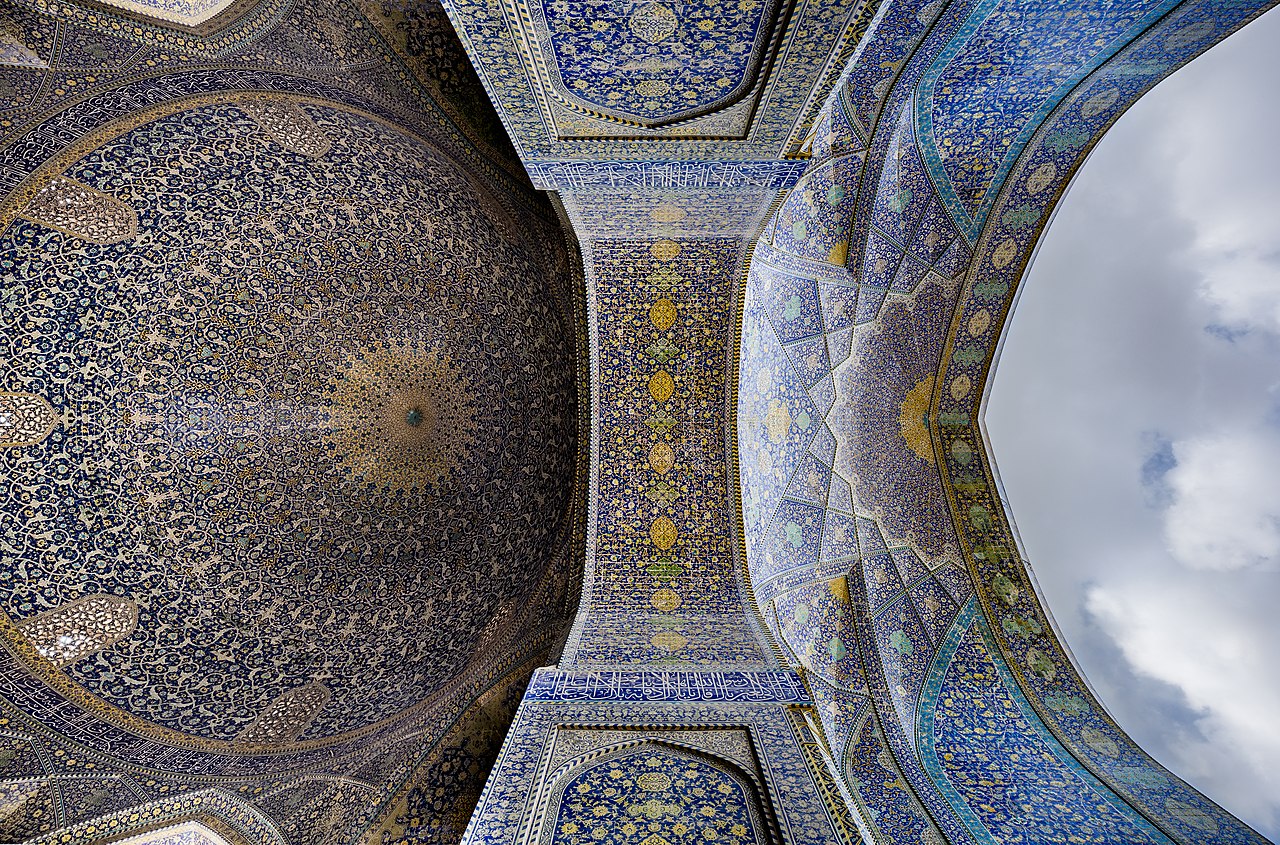
Multiple historical landmarks across Iran, including two UNESCO World Heritage sites, sustained damage on March 2. The incidents occurred following reported military actions in the region. Among the affected locations were the Golestan Palace in Tehran and the Chehel Sotoon Palace in Isfahan, both significant cultural assets.
Damage Assessment and Locations
In Tehran, the Golestan Palace, a UNESCO-listed site, experienced damage to its hall of mirrors, with intricate mirrorwork reported as shattered. Further south, in Isfahan, the 17th-century Chehel Sotoon Palace suffered substantial impact. Other historical structures in Isfahan, such as the Ali Qapu Palace and various mosques surrounding the central Naqsh-e Jahan square, also reported broken windows, damaged doors, and dislodged tilework.
International Protection Protocols
The damage to these sites occurred despite established international protocols for the protection of cultural heritage during armed conflict. UNESCO had previously communicated the precise geographical coordinates of its World Heritage sites to relevant international parties. Additionally, many important buildings were marked with 'blue shield' signs, indicating their protected status under the 1954 Hague Convention for the Protection of Cultural Property in the Event of Armed Conflict.
Official Reactions and Accusations
Local Iranian officials have strongly condemned the damage. Mehdi Jamalinejad, the Governor of Isfahan, characterized the events as an "unprecedented" assault on cultural heritage. He specifically accused the United States and Israel of engaging in actions that he described as a "declaration of war on a civilization," highlighting the historical and cultural significance of the damaged sites.
Historical Context of Iranian Heritage
Iran possesses a rich tapestry of historical and cultural sites, reflecting millennia of civilization. The Golestan Palace, for instance, is a masterpiece of the Qajar era, blending Persian crafts and Western influences. The Chehel Sotoon Palace, meaning "Forty Columns," is a Safavid-era pavilion set within a large garden, renowned for its frescoes and mirrorwork.
These sites are not merely architectural marvels but embody the continuous cultural evolution of the Persian Empire and subsequent Iranian states, serving as vital links to the nation's past and global heritage.
Implications for International Law and Diplomacy
The alleged damage to UNESCO-protected sites raises questions regarding adherence to international humanitarian law, specifically the 1954 Hague Convention. This convention aims to safeguard cultural property during armed conflict, recognizing its importance for all humanity. Incidents of this nature can complicate diplomatic relations and potentially lead to international investigations or condemnations, further escalating tensions in an already volatile region.
The preservation of cultural heritage is often a point of international consensus, and its destruction can have long-lasting geopolitical repercussions.
Implications
Country Impact: The damage to Iranian heritage sites could intensify domestic sentiment and potentially fuel calls for retaliation, further complicating the country's already strained international relations. It also highlights the vulnerability of cultural assets during regional conflicts.
Industry Impact: The tourism and cultural heritage sectors in Iran, which rely on these historical sites, could face significant setbacks due to damage and heightened regional instability. Restoration efforts will require substantial resources and expertise, potentially involving international aid.
Market Impact: Increased geopolitical tensions stemming from such incidents could introduce further volatility into global energy markets, particularly oil prices, given Iran's strategic position. Investor confidence in the region may also decline, impacting foreign direct investment.