US Democratic Erosion Raises Global Conflict Risk, Challenges European Security
U.S. democratic decline is destabilizing international alliances and providing a template for global authoritarianism, increasing the risk of conflict and…
Lauren Collins ·
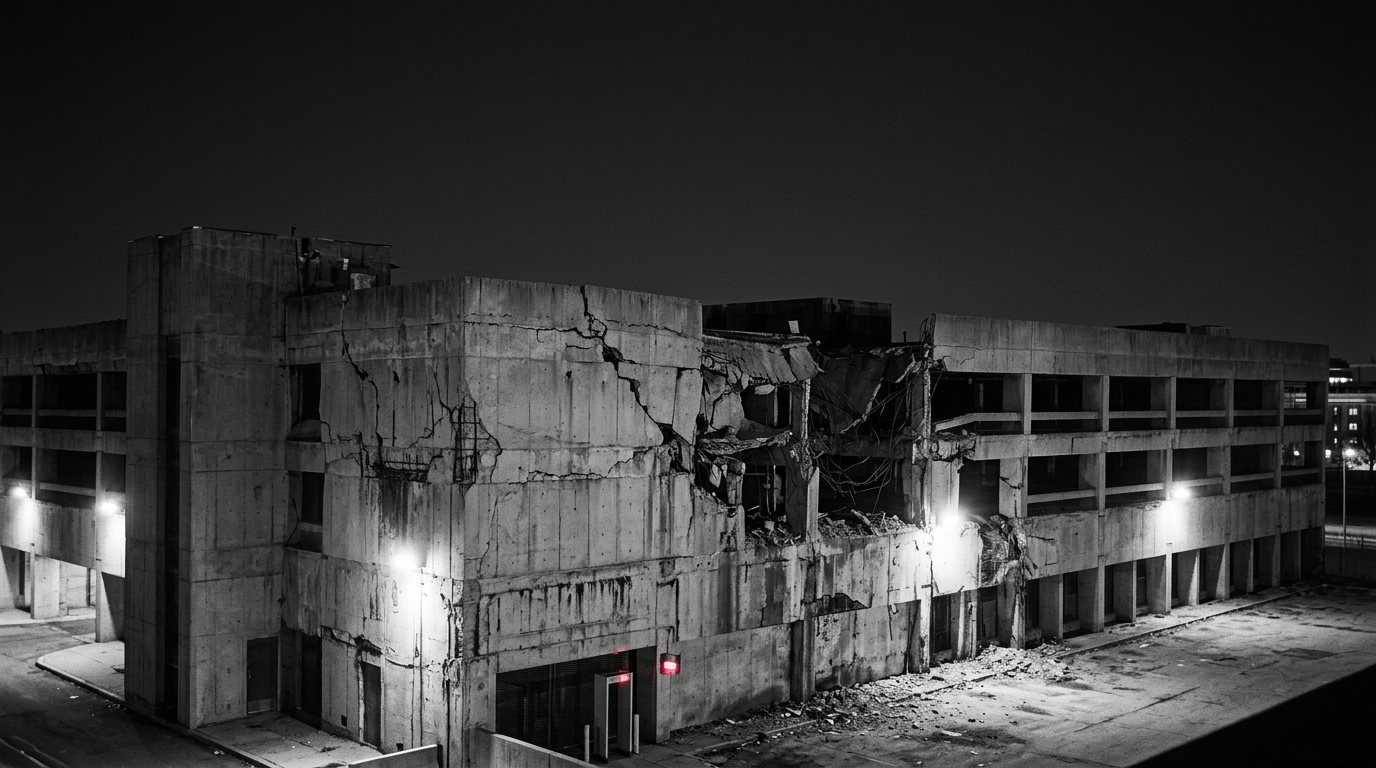
Democratic erosion within the United States is undermining international norms and security alliances, according to recent institutional assessments. Data indicates significant declines in U.S.
democratic performance since 2020, specifically regarding judicial independence, parliamentary effectiveness, and press freedom. Nearly half of the measured indicators for U.S.
governance have reached their lowest levels since 1975, a trend that coincides with a broader global democratic recession where 57 percent of countries experienced declines in democratic factors over the last five years.
US Influence on Global Democratic Decline
This domestic norm erosion provides a framework for foreign governments to justify restricting civil society and weakening democratic institutions. Analysts suggest the centralization of executive authority in the U.S. creates direct consequences for multilateral cooperation and the rule of law. The International Institute for Democracy and Electoral Assistance (IDEA) recorded seven statistically significant declines in U.S. democratic performance between 2020 and 2025.
United States
The U.S. decline contributes to a global democratic recession. In 2025, 98 of 173 countries, representing 57 percent, registered a decline in at least one democratic factor over five years, while only 55 improved. This marked the 11th consecutive year that more countries saw their democratic performance deteriorate than advance.
Security Implications and European Vulnerability
Increased political volatility is linked to a rise in global conflict, with 2025 recording 65 violent conflicts, the highest number since 1946. Hybrid political systems, characterized by weak checks and balances, demonstrate a higher propensity for conflict than stable democracies or authoritarian regimes. IDEA Secretary-General Kevin Casas-Zamora highlighted the link, noting that conditions for conflict are more likely in low-performing democracies.
Between 2020 and 2025
European security faces increasing vulnerability as mainstream political parties confront rising pressure from populist movements. Between 2020 and 2025, Europe recorded 77 democratic declines against 42 advances. Civil liberties, access to justice, and credible elections were among the areas under greatest pressure, necessitating a shift in security agendas to prioritize democratic resilience.
Potential Paths Forward
If the U.S. democratic trajectory continues, it risks further emboldening authoritarian-leaning governments globally and increasing instability in regions reliant on U.S.
democratic leadership. Conversely, a renewed commitment to democratic principles within the U.S.
could help stabilize international alliances and strengthen the global rule of law, potentially mitigating the rise of populist movements in Europe. The core challenge remains how international partners can bolster democratic resilience while facing internal pressures.