US Public Divided on Iran Strikes, Escalation Fears
US public opinion is divided on recent strikes against Iran, with concerns over escalation, economic impact, and military involvement.
Lauren Collins ·
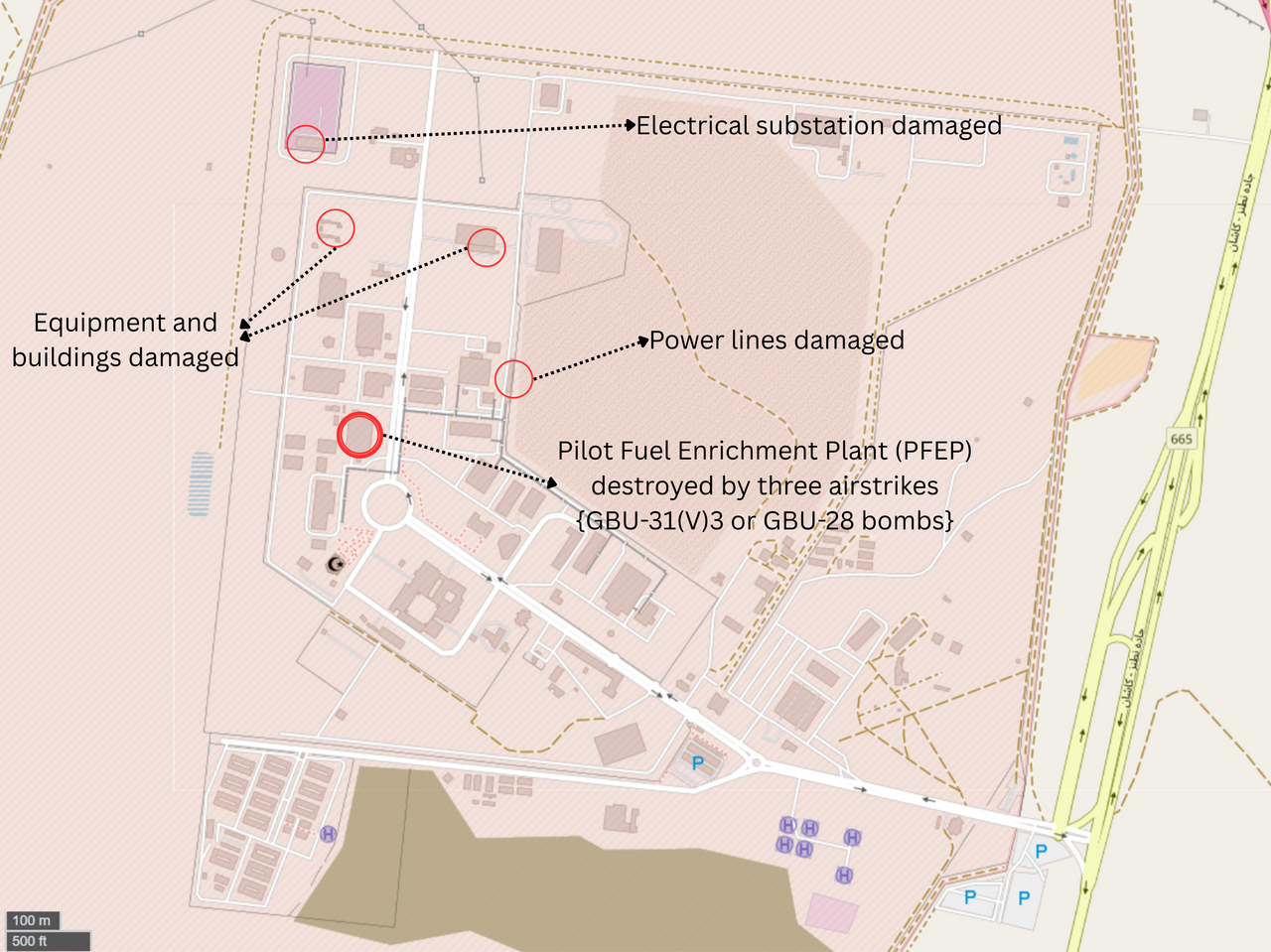
Public sentiment in the United States is sharply divided regarding recent military actions against Iran, with significant concerns emerging about potential escalation and the broader implications of sustained military involvement. The strikes, executed nearly two weeks ago, have prompted a re-evaluation of U.S. foreign policy, particularly given President Donald Trump's prior emphasis on reducing overseas military commitments.
Political Polarization on Iran Policy
Analysis of public opinion indicates a strong correlation between political affiliation and support for the strikes. While a majority of Republican voters generally back the administration's actions, a notable segment within the party has voiced reservations. These concerns often center on the potential for a prolonged conflict, echoing fears of a "forever war" and questioning the alignment of such interventions with an "America First" foreign policy doctrine.
Conversely, other Republican factions view the military response as a necessary measure to counter terrorism and address human rights issues within Iran. For these individuals, potential economic repercussions, such as increased fuel costs, are considered a minor trade-off for perceived national security benefits.
Economic and Geopolitical Concerns
Across the political spectrum, apprehension exists regarding the economic impact of the strikes, specifically the potential for rising gasoline and diesel prices. This concern is particularly salient for consumers and businesses reliant on stable energy costs. The safety of American military personnel deployed in the region also remains a prominent worry among the populace.
Democrats and some Republicans have expressed significant unease about the duration of any potential conflict and its diversion of resources from domestic priorities. Broader geopolitical risks, including the possibility of regional destabilization and retaliatory actions, are also frequently cited. The lack of clear objectives from the Trump administration regarding the ultimate goals of the operation has contributed to public uncertainty.
Legislative Oversight and Civilian Safety
Concerns extend to the perceived lack of legislative branch involvement in the decision-making process for these military actions. Many citizens believe that Congress should play a more direct role in authorizing and overseeing such interventions. Additionally, the safety of civilians in affected regions and the potential for retaliation against U.S. interests, both domestically and abroad, are significant anxieties.
Historically, U.S. military engagements in the Middle East have often led to prolonged commitments and unforeseen consequences, influencing public skepticism. The current debate reflects a complex interplay of national security interests, economic considerations, and differing foreign policy philosophies within the American electorate.
Implications
Country Impact: The divided public opinion could influence future U.S. foreign policy decisions and domestic political discourse, particularly in an election year. It highlights a national debate on interventionism versus isolationism.
Industry Impact: Energy markets, particularly oil and gas, could experience volatility due to geopolitical tensions, potentially leading to increased fuel prices for consumers and businesses. Defense industries may see increased demand.
Market Impact: Global financial markets may react to escalating tensions with increased risk aversion, potentially impacting equity valuations and driving demand for safe-haven assets like gold and government bonds.