Mideast Tensions Threaten Global Trade
Iran conflict disrupts global supply chains, causing shortages of naphtha, aluminum, helium, and tungsten, impacting industries worldwide.
Atlas Newsdesk ·
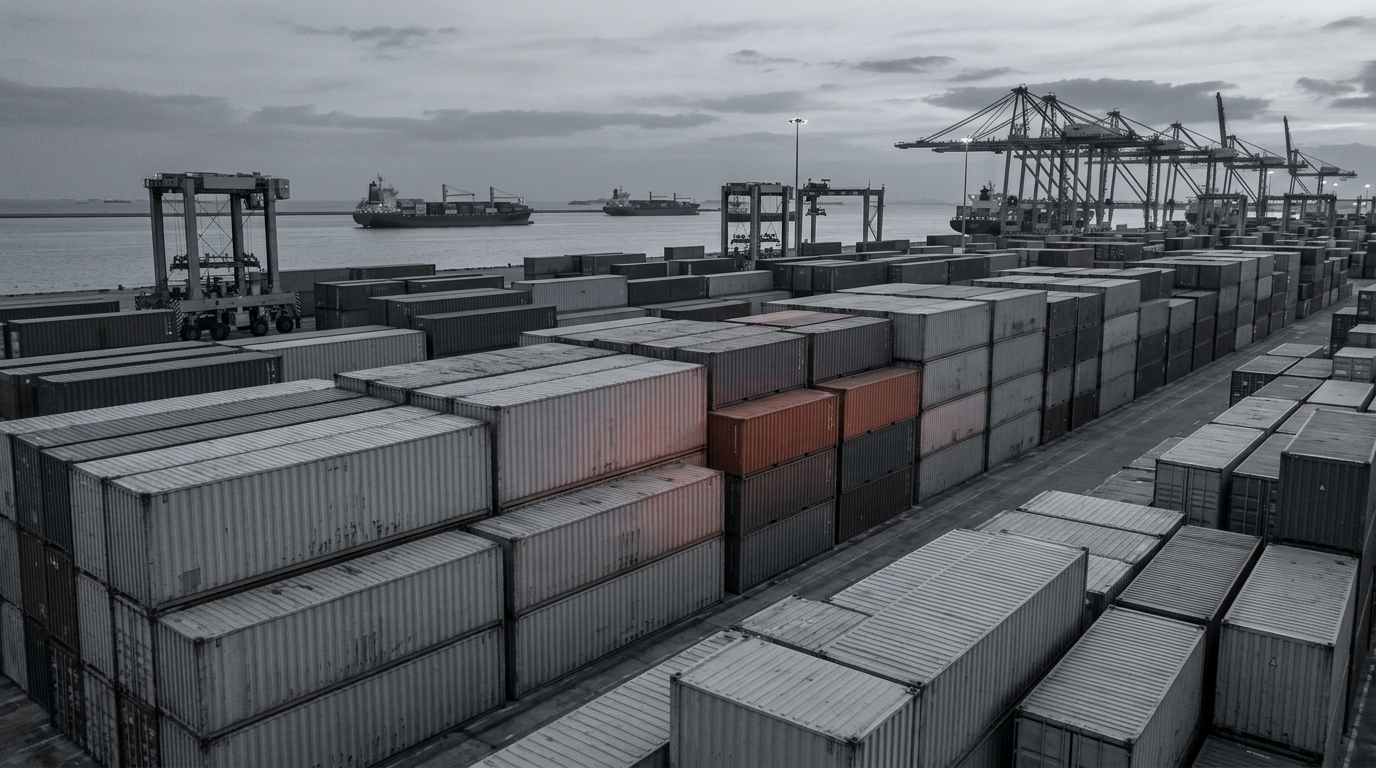
Iran Conflict Disrupts Global Supply Chains
The ongoing conflict involving Iran, which began in late February 2026 with U.S. and Israeli attacks, has led to widespread global supply chain disruptions, impacting various industries and consumer goods. These disruptions are primarily driven by the closure of the Strait of Hormuz and direct attacks on infrastructure, causing shortages of critical raw materials and components.
The closure of the Strait of Hormuz, a vital shipping channel, has significantly curtailed the flow of petroleum-derived products. Japan's snack manufacturer Calbee, for instance, announced on May 13, 2026, that it would switch to black-and-white packaging due to a shortage of naphtha, an ink ingredient, 40% of which Japan imports from the Middle East.
This naphtha shortage also affects manufacturers of cars, bathrooms, and paint. Similarly, Yamayoshi Seika, another Japanese snack producer, halted Wasabeef potato chip production due to a lack of heavy oil for machinery.
Beyond petroleum products, the conflict has created shortages of aluminum for beverage cans in India, leading to scarcity of products like Diet Coke. India also faces cooking gas and natural gas shortages, impacting restaurants and ceramics factories.
Globally, Qatar's helium production ceased in March 2026 following Iranian strikes on liquid natural gas facilities, threatening MRI operations and the manufacturing of AI chips, smartphones, and electric vehicles. Furthermore, the conflict has strained tungsten supplies, critical for both AI chip manufacturing and military munitions, and disrupted sulfur and fertilizer shipments, with one-third of global nitrogen and phosphate shipments affected, potentially increasing food prices within the next year.
Jet fuel shortages are also causing flight cancellations and increased ticket prices.