Soaring Fuel Costs Force Airlines to Slash Flights
Airlines cut flights and raise fares after jet fuel prices more than doubled amid Middle East tensions, with Europe’s supply hit hardest.
Atlas Newsdesk ·
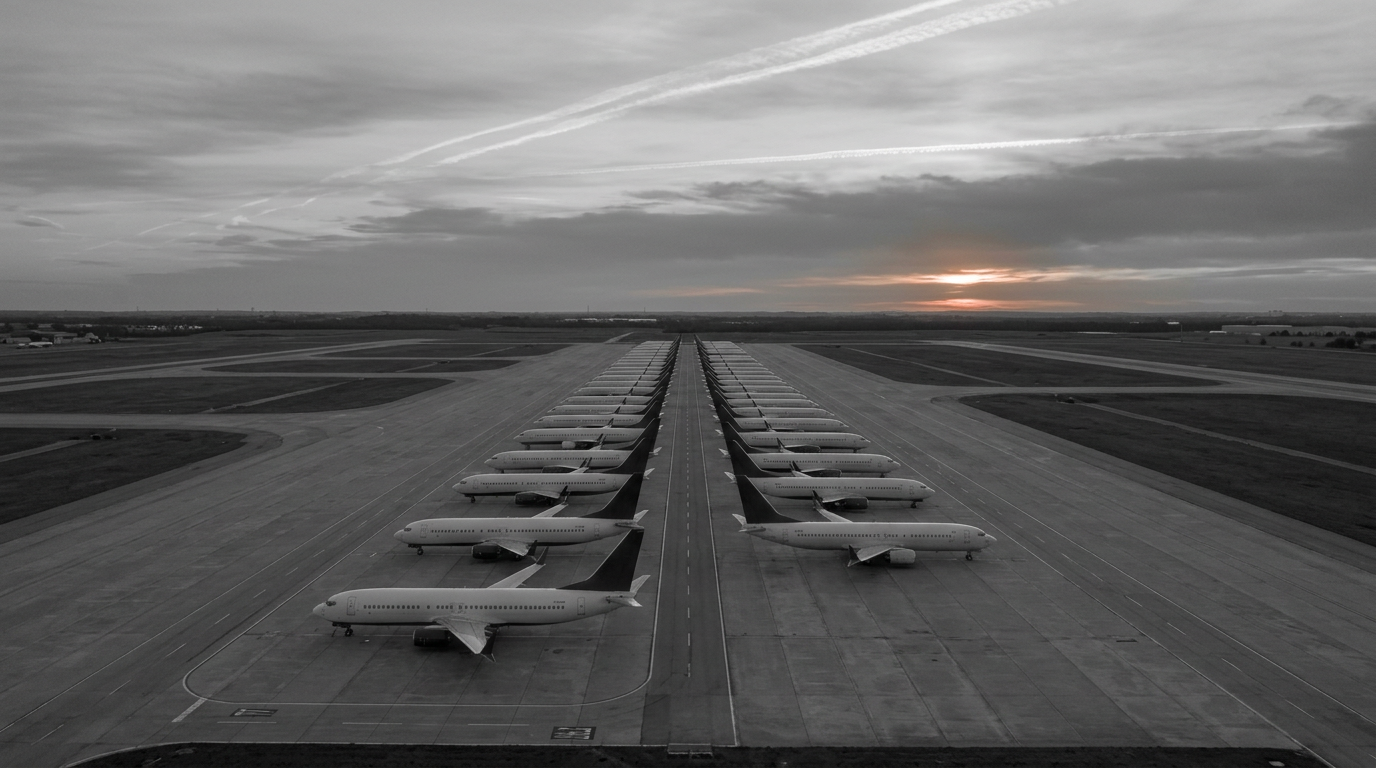
Airlines around the world, including Air India and Air New Zealand, are trimming flight schedules and lifting ticket prices after a sharp jump in jet fuel costs. The shift has unfolded over the past four hours, as carriers move to protect operations and manage expenses ahead of the peak summer travel period.
Officials and industry participants linked the fuel shock to heightened geopolitical tensions in the Middle East, describing disruption tied to the US-Israeli conflict with Iran. The Middle East is a major source of aviation fuel for international markets, and the strain on supply has fed quickly into pricing and airline planning.
Jet fuel prices have more than doubled, with the benchmark European price hitting an all-time high of $1,838 per tonne last week. That compares with $831 before the conflict escalated, underscoring the speed and scale of the move in a cost line that airlines cannot easily avoid in the short term.
The supply picture is especially sensitive for Europe. The region sources about 50% of its jet fuel imports from the Middle East, and much of that volume transits through the Strait of Hormuz, a key maritime chokepoint for energy flows. Disruptions affecting this corridor can tighten availability well beyond the immediate region because aviation fuel markets are globally connected through trade and shipping routes.
Market tightness has also been amplified by refinery-specific exposure. Al-Zour in Kuwait was cited as a major contributor, supplying about 10% of Europe’s jet fuel imports, and any interruption affecting such a large source can ripple through airline procurement and airport fueling logistics. At the same time, global jet fuel exports are at a four-year low, which reduces the market’s ability to offset regional shortfalls with alternative cargoes.
Airlines are responding through a mix of capacity cuts and fare increases, and travelers are being warned to expect further price rises and additional cancellations. Fuel typically represents 20-40% of airline operating expenses, so sustained increases can force rapid adjustments to routes, frequencies, and pricing, particularly when demand is seasonally strong.
Some carriers have had temporary insulation. British Airways owner IAG and EasyJet were cited as having pre-conflict fuel purchasing agreements that have helped soften the immediate impact. Even so, the broader industry remains under pressure as higher spot prices filter through and as supply constraints persist, leaving uncertainty around how long disruptions will continue and how quickly fuel flows can normalize.