Fed Maintains Interest Rates as Iran Conflict Drives Gasoline Prices Toward Four Dollars
Fed watches inflation as the Iran war lifts gasoline prices to around $4 per gallon, with rates held at 3.50%-3.75% in March.
Atlas Newsdesk ·
U.S. Federal Reserve Chair Jerome Powell said on Monday, March 30, 2026, that the central bank plans to monitor how the ongoing Iran war is affecting inflation before making any changes to monetary policy. Speaking at Harvard University, Powell described the current policy stance as suited to a wait-and-see approach while officials evaluate incoming data.
Powell said the Fed generally looks through short-lived disruptions, including spikes tied to higher oil prices. He added that the central bank believes its current setting is appropriately positioned to observe how the conflict-related energy shock feeds into broader prices and expectations.
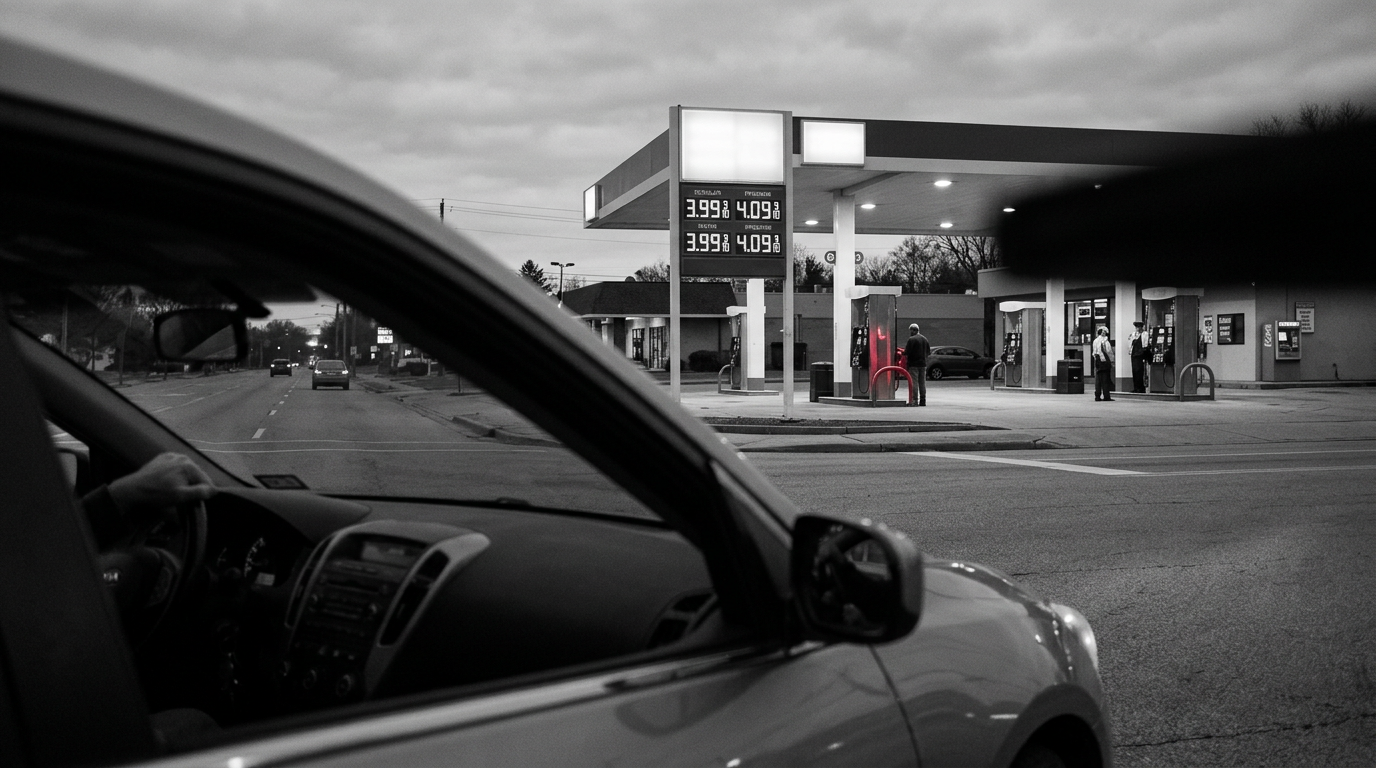
The Iran war is now in its fifth week and has been linked to higher U.S. gasoline prices, which are averaging around $4 per gallon. The rise in fuel costs adds uncertainty for households and businesses and could complicate the Fed’s dual mandate of full employment and price stability.
Inflation has remained above the Fed’s 2% target for about five years, according to Powell’s remarks. He attributed the persistence to multiple forces, including strong demand after COVID-19 and more recent tariffs, with the conflict-driven energy shock adding another variable for policymakers to weigh.
Earlier in March, the Fed kept its benchmark interest rate in a 3.50%-3.75% range. Powell also said he had previously indicated the central bank would first evaluate whether tariff-related inflation pressures are easing before deciding how to respond to any additional inflation that may be associated with the Iran war.
Signals on inflation expectations are mixed. Powell pointed to measures such as a University of Michigan survey that show household price expectations have moved higher, while other market-based indicators have been steadier.
Powell acknowledged the policy tension created by competing risks. He said downside risks to the labor market could support lower rates, while upside risks to inflation could argue against keeping rates low, leaving the Fed to balance both sides as the data evolves.