Surging Cooling Demand Strains Power Grids and Climate Goals
A significant rise in global cooling demand, projected to reach 5.6 billion units by 2050, poses major challenges for energy grids and climate goals.
Atlas Newsdesk ·
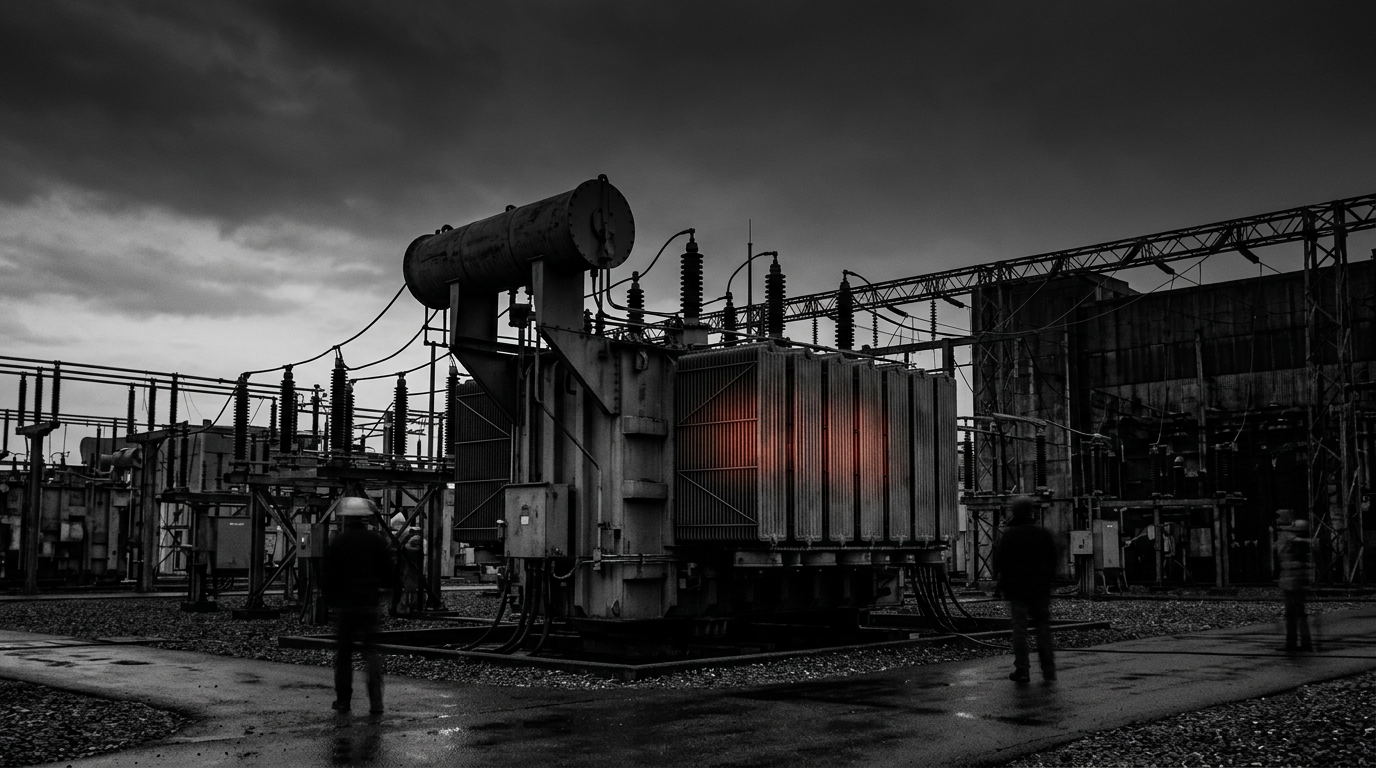
Global demand for cooling technologies is projected to surge dramatically, driven by rising temperatures and the critical need for public health and economic resilience. By 2050, the worldwide inventory of air conditioning units is expected to reach 5.6 billion, a substantial increase from the current 2.5 billion units. This expansion will largely occur in developing nations, where current air conditioning penetration rates are often below 10 percent.
This anticipated growth in cooling requirements presents considerable challenges for national energy infrastructures and global objectives to reduce carbon emissions. The increased energy consumption and associated environmental impact necessitate strategic planning and technological advancements to manage the transition effectively.
Projected Energy Strain and Emissions Growth
Forecasts indicate that by 2050, the electricity demand for cooling in countries like India and Indonesia could escalate to as much as 75 percent of their current total annual power consumption. This highlights the immense pressure that existing energy grids will face, underscoring an urgent need for significant infrastructure development and modernization.
Without substantial improvements in the energy efficiency of cooling technologies and a widespread shift towards zero-carbon energy sources, emissions linked to cooling are expected to rise sharply.
Annual cooling-related emissions are projected to grow from 2.5 billion tons of CO2 equivalent to nearly 8 billion tons. This trajectory threatens to undermine international efforts aimed at combating climate change and achieving global climate objectives, demanding a reevaluation of current energy policies and investment priorities.
Socio-Economic Risks and Policy Imperatives
Restricting access to adequate cooling infrastructure carries severe risks for human well-being and economic productivity. Potential negative impacts include reduced labor productivity, hindered human capital development, and increased mortality rates in regions experiencing high heat.
Policymakers face a critical balancing act: they must address the imperative of climate change mitigation while simultaneously meeting the economic necessity for increased energy consumption to ensure public safety and economic stability.
A failure to establish sustainable cooling infrastructure could significantly impede broader international cooperation and efforts designed to achieve global climate targets. The intersection of environmental goals and developmental needs requires integrated policy approaches that prioritize both sustainability and equity.
Pathways to Sustainable Cooling Solutions
The projected trajectory of cooling demand underscores the urgent need for innovation in energy-efficient systems and the accelerated deployment of renewable energy sources. This dual approach is essential to manage the environmental footprint of expanding cooling access while ensuring that vulnerable populations receive necessary support.
International collaboration will be crucial in assisting developing nations to adopt sustainable cooling solutions, preventing climate impacts from compromising public health and economic development.
Strategic investments in smart grids, advanced cooling technologies, and distributed energy solutions will play a pivotal role in navigating this complex energy transition. Emphasizing circular economy principles and sustainable urban planning can further reduce the overall energy demand for cooling, offering a multi-faceted approach to a pressing global challenge.