AI compute futures market set for 2026 by CME, Silicon Data
CME Group and Silicon Data propose AI compute futures to let firms hedge GPU rental-price swings, seeking regulatory approval for a late-2026 rollout.
Jason Kwon ·
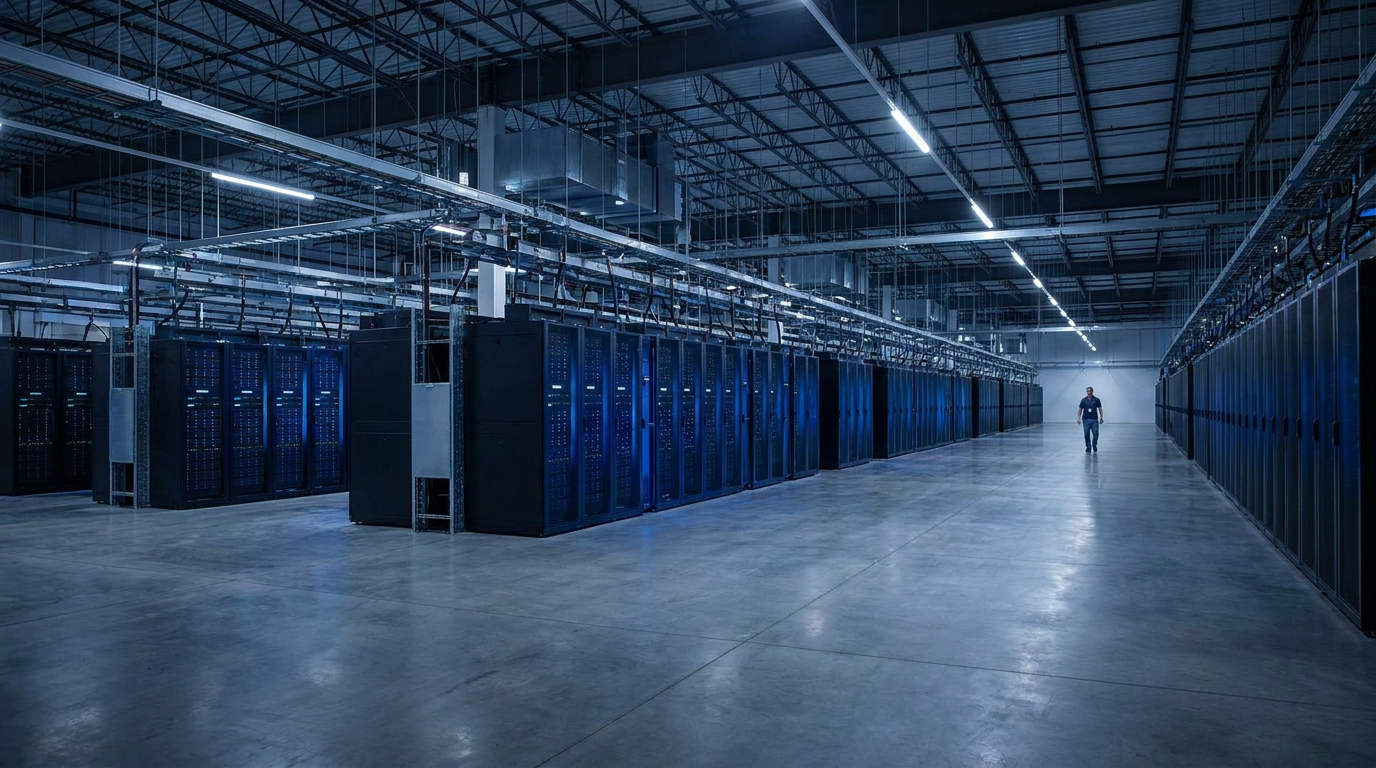
AI compute futures: CME Group and Silicon Data proposed a futures market to hedge GPU rental-price swings, seeking regulatory approval for late 2026.
CME Group and Silicon Data said they have designed what they describe as the world’s first AI compute futures market, subject to regulatory sign-off expected in the latter half of 2026. The contracts would reference Silicon Data’s daily GPU benchmark indices and aim to standardize pricing across a fragmented compute ecosystem.
How the contracts will function
Contracts are planned to settle against daily indices published by Silicon Data that reflect rental rates for GPUs used in AI workloads. Market participants would be able to hedge short- and medium-term rental-rate exposure rather than rely solely on spot rentals or bespoke supply agreements.
The indices will capture price movements across hardware classes, with a particular focus on high-demand accelerators such as NVIDIA H100 cards. Industry figures cited by the proposal show H100 rental rates ranging from about $2 to $4.50 per hour during peak demand windows, underscoring the volatility participants seek to manage.
Market context and drivers
The compute rental market has grown rapidly alongside large language models and high-performance training workloads, with some estimates valuing traded compute demand in the multi-trillion-dollar range when aggregated across cloud, colocation, and on-premise usage. Yet pricing today is highly fragmented, based on spot markets, brokered rentals, or bespoke cloud contracts.
Proponents argue that a regulated futures market would create price transparency, enable risk transfer, and encourage efficient allocation of compute resources. For trading firms and institutional hedgers, standardized contracts could offer a new avenue to manage margin and operational exposures tied to AI compute cycles.
Implications, risks and next steps
Regulatory approval will determine the timeline and contractual details; CME and Silicon Data are in early consultation with oversight authorities and expect a decision window ahead of a late-2026 launch. Initial liquidity will likely depend on participation from cloud providers, large AI labs, and derivatives market makers.
Key risks include index integrity, potential market concentration among a few hardware providers, and the challenge of aligning physical rental markets with financial settlement. Observers will also watch whether cloud vendors adapt commercial terms or introduce new products in response to emerging price signals from the futures market.
What to watch next: regulator feedback, index methodology disclosures from Silicon Data, and onboarding commitments from major compute consumers and providers. If approved, the new contracts could reshape how enterprises and traders manage the economics of large-scale AI workloads.