Pacific Leaders Firm on Fossil Fuel Transition
Pacific leaders have reaffirmed the non-negotiable status of global fossil fuel transition agreements, citing urgent economic and existential risks to island…
Lauren Collins ·
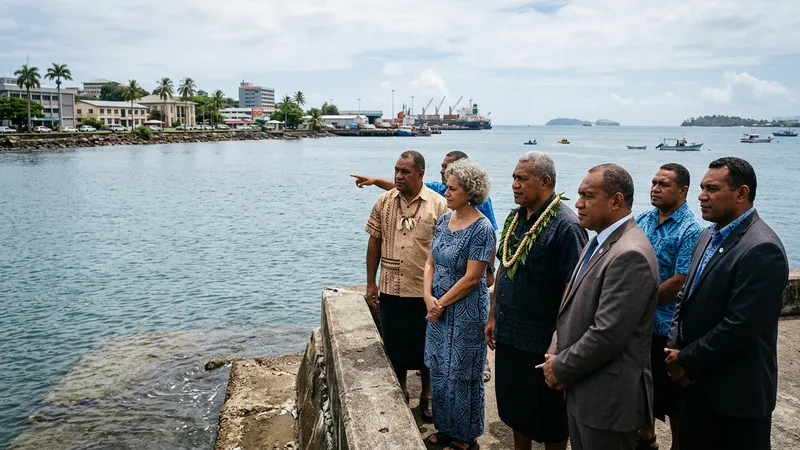
Pacific Island leaders have asserted that a 2023 global agreement to transition away from fossil fuels is not subject to renegotiation. This declaration comes as international support for climate action reportedly wavers and major oil-producing nations push back against existing climate obligations.
Regional officials emphasized that current emission reduction targets are insufficient to meet the 1.5 degrees Celsius warming limit established under the 2015 Paris Agreement. They also highlighted a critical need for accelerated climate financing, arguing that vulnerable nations should not accumulate additional sovereign debt to address environmental damage they did not primarily cause.
Economic Strain in Vulnerable Nations
Annual flood-related damages in Tuvalu alone are estimated
Economic projections for the region indicate significant fiscal strain. Annual flood-related damages in Tuvalu alone are estimated to reach $34 million by 2050, escalating to $63 million by 2100. These figures surpass the nation's current Gross Domestic Product, posing substantial risks to its long-term economic stability and essential infrastructure.
Geopolitical Friction from Divergent Policies
Continued fossil fuel development in major economies, despite international commitments, generates ongoing geopolitical friction. This disparity between policy pledges and industrial activity increases the risk of trade-related climate disputes and potential capital reallocation away from carbon-intensive sectors.
The firm stance by Pacific leaders underscores the increasing pressure on global powers to adhere to climate commitments and provides a crucial barometer for future climate negotiations.