Africa gas summit puts LNG finance on Washington’s strategic calendar
A Maputo gas summit is becoming a test of whether African LNG projects can attract Western capital while meeting governance and infrastructure demands.
Lauren Collins ·
Africa gas summit puts LNG finance on Washington’s strategic calendar
Washington is treating Africa’s gas buildout as a strategic test as the three-day Africa Gas & LNG Summit 2026 in Maputo puts investment and infrastructure hurdles at the center of its agenda. The summit’s focus on gas-to-industrialization gives US officials, lenders and lawmakers a clearer marker for whether African LNG can move from project announcements to bankable supply.
The event comes as African governments and energy companies try to expand gas production while using more of it at home for power, fertilizer, mining, transport and manufacturing. For Washington, the question is not only whether more LNG reaches global markets, but whether Western finance can compete in a sector where project risk, local infrastructure gaps and governance concerns often decide which sponsors move first.
Africa has large undeveloped gas resources, but the distance between reserves and revenue remains wide. LNG projects require upstream field development, liquefaction plants, port access, pipelines, power supply, security arrangements and long-term buyers willing to sign contracts that lenders can underwrite. If one part of that chain slips, the whole project can stall.
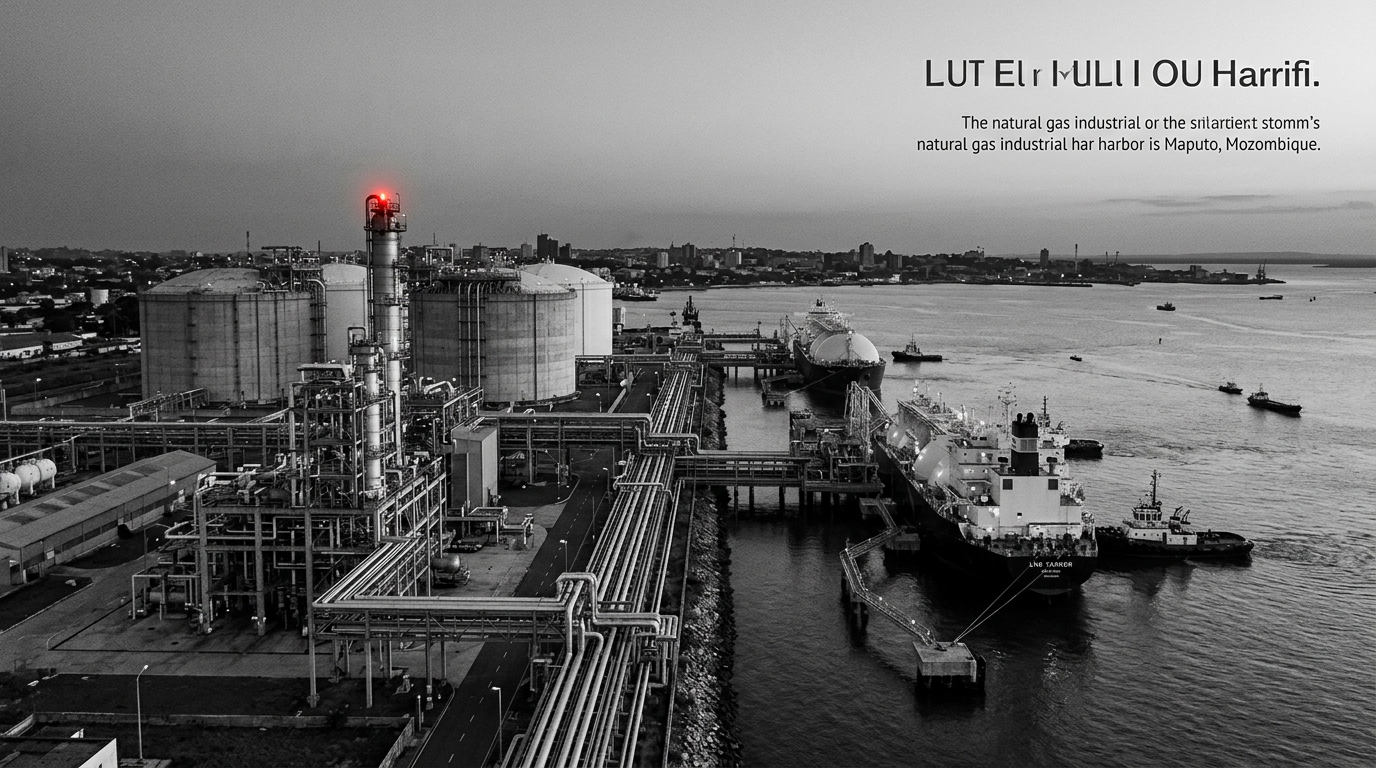
Mozambique sits near the center of that debate because of its Rovuma Basin gas discoveries and planned LNG developments. The country offers a scale of resource that can interest global buyers, but it also shows why Washington watches these projects through more than an energy lens: security, governance, local content rules, debt sustainability and community risk all affect whether capital arrives.
Africa Gas
The DC policy map is split across several institutions. The White House and National Security Council frame energy ties as part of broader Africa strategy; the State Department works the diplomatic track with host governments and allies; the Pentagon watches maritime security and conflict spillover risks; Congress can press agencies on corruption, climate exposure and China’s role; US export and development finance agencies can help mobilize private capital if projects meet their standards.
That makes the Maputo agenda more than an industry calendar item. If summit organizers can translate discussion of gas-to-industrialization into credible financing pathways, the event gives Washington a venue to align commercial diplomacy with energy security goals.
If the discussions remain aspirational, it will reinforce a familiar problem: African gas projects can be strategically attractive and still fail to clear the lender risk committee.
Europe’s diversification away from Russian gas gives African LNG a stronger geopolitical argument than it had before the war in Ukraine. Still, buyers and financiers are not the same audience. Buyers want reliable cargoes, competitive pricing and schedule certainty; lenders want enforceable contracts, stable regulation, viable offtake and confidence that infrastructure will be completed on time.
That distinction matters for US policy. Washington can encourage offtake, convene partners and support reforms, but it cannot make a weak project bankable by rhetoric alone. The projects most likely to secure Western backing are those that reduce construction risk, improve transparency and show how domestic gas use will support power generation or industry rather than simply export raw value.
The industrialization argument is important for African governments. Gas exports can bring foreign exchange, but domestic use can support factories, mineral processing and grid reliability. The political challenge is balancing export contracts, which help secure project finance, with local demand, which can take longer to aggregate and may require pipelines, creditworthy utilities and tariff reforms.
For US officials, that balance cuts both ways. A project designed only for exports may draw criticism from development and climate-focused lawmakers. A project overloaded with domestic obligations before local infrastructure exists may struggle to reach financial close. The middle path is a phased model: anchor the project with LNG revenue while building credible domestic gas demand over time.
Non-Western influence is the other Washington concern. If US and allied lenders stay out, African governments can turn to alternative financiers, commodity traders or state-linked companies that attach fewer governance conditions. That may speed some deals, but it can also reduce Western leverage over transparency, procurement standards and security practices around strategic infrastructure.
The summit therefore creates a practical test. Western officials and institutions can use the Maputo discussions to signal which reforms would unlock financing, which infrastructure gaps need priority treatment and which projects are close enough to merit diplomatic support. Host governments can use the same forum to show whether they are prepared to match investment promotion with regulatory follow-through.
No fresh named expert quote was available from the supplied research, so this piece does not include an expert section. The absence of a quotable outside view leaves the central assessment tied to the announced summit focus and the policy logic around LNG finance, not to a newly stated position from a US official, lawmaker or specialist.
The falsifiable test is whether a concrete Western financing commitment or policy endorsement emerges by December 15, 2026. If a development finance institution, multilateral lender or allied government helps unlock a major African LNG project, especially in Mozambique, Washington’s bet on gas as an energy-security and industrial tool will look more credible: Europe gains another diversification option, the project company gains momentum toward financing or construction, and the wider African gas sector gets a stronger benchmark for bankability. If no new financing or policy signal appears by then, the opposite read will harden: global supply diversification stays slower, project sponsors face higher carrying costs and uncertainty, and African gas developers remain exposed to delays or alternative financiers less aligned with US governance preferences.