Trump Adjusts Stance on Iran Protest Feasibility
Donald Trump has adjusted his view on Iran protests, citing the Basij militia as a major deterrent to regime change efforts.
Lauren Collins ·
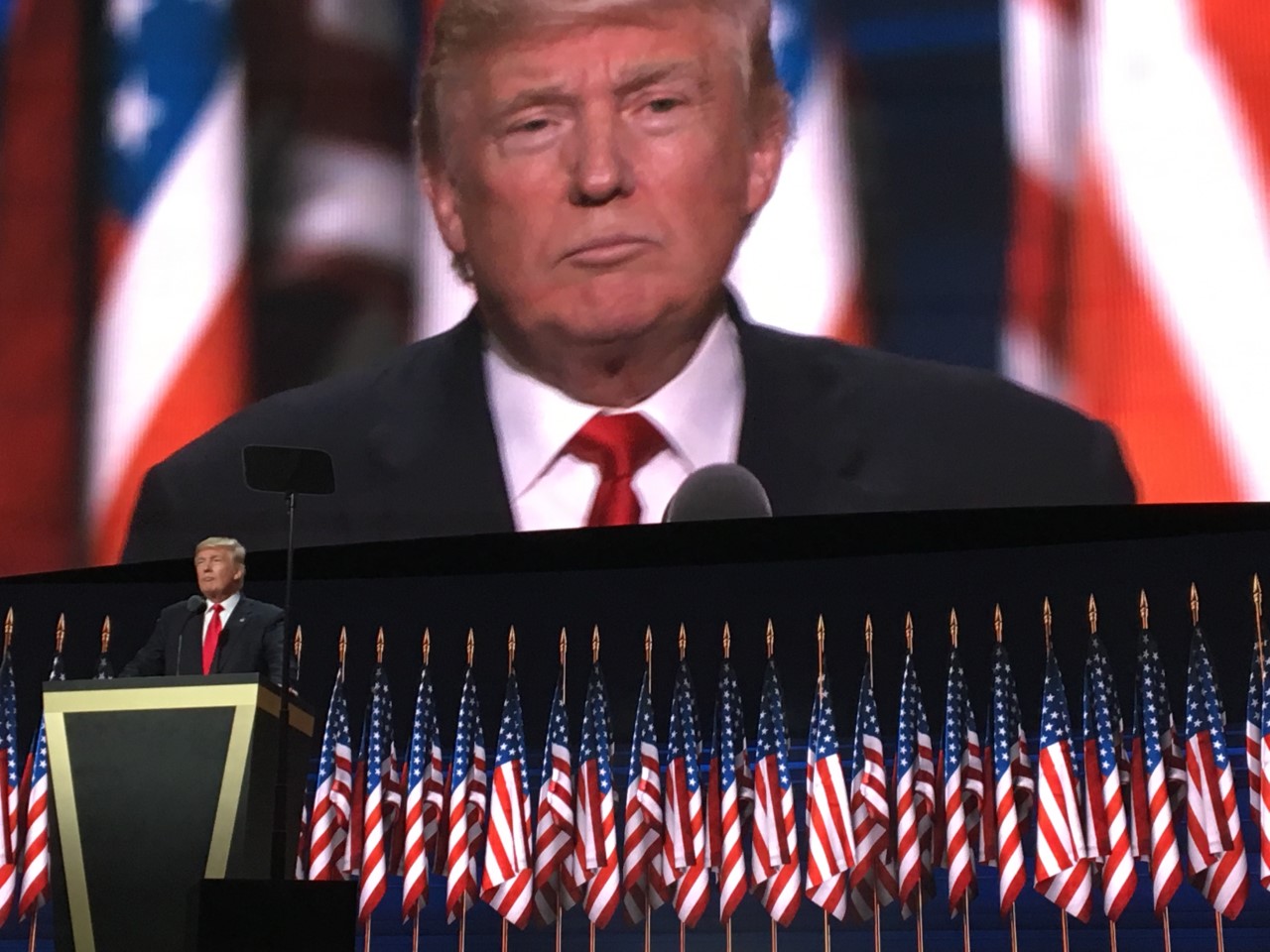
Former U.S. President Donald Trump has revised his public assessment regarding the viability of widespread protests in Iran to overthrow the government. Speaking in a radio interview on Friday, March 13, 2026, Trump highlighted the significant obstacles faced by Iranian citizens attempting to challenge the current regime, particularly citing the formidable presence of the Basij militia.
This updated perspective marks a departure from his earlier pronouncements made after U.S. and Israeli military actions against Iran commenced on February 28, 2026. Previously, Trump had encouraged Iranians to "take over your government," implying a more straightforward path to regime change.
Basij Militia Poses Significant Deterrent
Trump specifically identified the Basij, a plainclothes paramilitary force linked to Iran’s Islamic Revolutionary Guard Corps (IRGC), as a primary impediment to successful demonstrations. He noted the militia's readiness to employ lethal force against protesters, stating that the estimated one million members of the Basij would likely "shoot them down." This assessment underscores the severe risks confronting unarmed civilians who might consider participating in anti-government actions.
Shift in Rhetoric and Regional Alignment
The former president's current remarks acknowledge the deeply entrenched power of the Iranian government. This contrasts sharply with his prior rhetoric, which had suggested a rapid transition to a new government in Iran. His revised viewpoint also aligns with recent statements from Israeli Prime Minister Benjamin Netanyahu, who, on Thursday, expressed skepticism about the Iranian populace's capacity to independently dismantle the existing regime.
Context of U.S.-Iran Relations
S. and Israel targeting Iran. S. and Iran, characterized by sanctions, proxy conflicts, and nuclear program disputes, provides a critical backdrop to these discussions. The Iranian government has consistently suppressed internal dissent, utilizing forces like the Basij to maintain control and deter opposition movements.
Implications for Regional Stability
This recalibration of expectations from a prominent international figure like Trump could influence perceptions of the Iranian regime's stability and the potential for internal upheaval. It suggests a recognition of the complex realities on the ground, where state security apparatuses play a decisive role in managing domestic challenges.
The implications extend to regional stability, as external actors assess the likelihood of internal change within Iran and its potential effects on the broader Middle East.
Implications
Country Impact: The revised assessment by a former U.S. President could influence internal dissent within Iran, potentially dampening hopes for external support for protests. It underscores the regime's perceived resilience and the significant risks faced by its citizens.
Industry Impact: While not directly impacting specific industries, a stable or more entrenched Iranian regime could maintain current oil production and export policies, affecting global energy markets. The lack of internal upheaval might also reduce short-term geopolitical risk premiums.
Market Impact: Global markets, particularly those sensitive to Middle Eastern stability like oil and defense sectors, may interpret this as a signal of continued status quo in Iran, potentially reducing volatility associated with immediate regime change prospects. However, underlying geopolitical tensions remain a factor.