2026 World Cup: Mexico’s plan under Javier Aguirre and the 48‑team expansion
The 2026 World Cup expands to 48 teams, with co-host Mexico preparing under coach Javier Aguirre, aiming to advance beyond previous knockout stage exits.
Mehmet Şahinoğlu ·
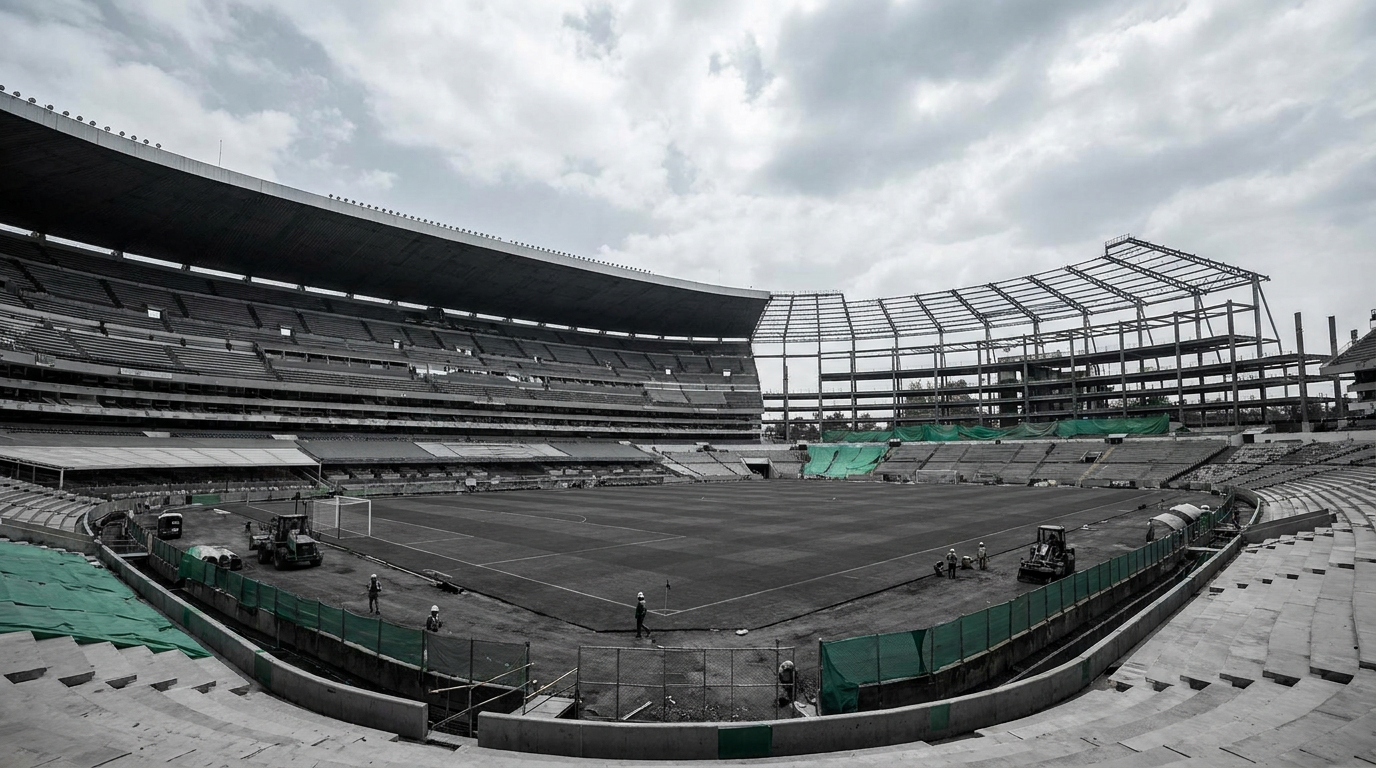
The 2026 FIFA World Cup, co-hosted by the United States, Canada and Mexico, will be the first with 48 nations. Mexico qualifies automatically as a co-host and heads into the finals under Javier Aguirre, back for a third stint. Expectations have risen after a group-stage exit in 2022 and with home crowds set to intensify scrutiny. The expanded format and a returning coach shape El Tri’s approach to a pivotal summer.
The larger field is expected to welcome more debutants and nations less frequently seen at this level, widening scouting needs and placing a premium on adaptability. For Mexico, the home setting heightens demands to progress beyond the first knockout round, a barrier that has proven stubborn in recent decades.
El Tri’s World Cup pedigree is extensive. They last failed to qualify in 1982 and did not participate in 1990 because of a FIFA ban. The quarter-final remains their historical ceiling, most memorably in 1986 on home soil, when a penalty shootout loss to West Germany ended hopes of a semi-final appearance.
Aguirre’s return follows a turbulent post-2022 stretch and is intended to restore clarity and stability ahead of a home tournament. He previously guided Mexico at the 2002 World Cup in Japan and South Korea, where a round-of-16 defeat to the United States ended their run, and again in 2010 in South Africa, when Argentina eliminated them at the same stage.
Mexico’s outlook as co-host
Pedigree, pressure and opportunity
Hosting duties typically intensify expectations, and Mexico’s consistency on the world stage reinforces that pressure. Supporters will demand a sustained run past the round of 16, and the expanded field increases variance with unfamiliar opponents and different group dynamics. Well-drilled teams with role clarity and composure are likely to be rewarded early in the tournament.
Tactical direction under Aguirre
Aguirre has shifted Mexico toward a quicker, more vertical style rather than prolonged possession. The plan emphasizes rapid combinations through midfield, assertive transitions and compact spacing to enable immediate reactions after turnovers. This approach leans into traditional Mexican strengths while requiring collective discipline without the ball.
What the 48-team format changes
Broader participation and competitive balance
Expansion to 48 teams supports wider global inclusion and brings more first-time qualifiers. For established nations, the early stages may hinge on sharp execution against less familiar styles. Preparation now extends beyond routine opponents, making targeted scouting and flexible game plans crucial.
Concacaf context for co-hosts
With three Concacaf co-hosts, regional focus will be intense. Automatic qualification spares the hosts the grind of a full qualifying cycle but removes a source of competitive rhythm, increasing the importance of well-chosen preparatory matches. Mexico’s recent regional success — winning both the Concacaf Nations League and the Gold Cup in 2025 — has offered valuable reference points as the squad beds in under Aguirre.
As final preparations continue, Mexico’s blend of pedigree, home expectation and a refreshed tactical identity will be closely watched. The size and diversity of the field raise the stakes for execution, putting clarity and cohesion at a premium when the finals begin.