U.S. Supreme Court rejects NFL arbitration bid; Brian Flores case enters discovery
The Supreme Court's refusal to compel arbitration allows Brian Flores' discrimination lawsuit against the NFL to proceed to discovery.
Mehmet Şahinoğlu ·
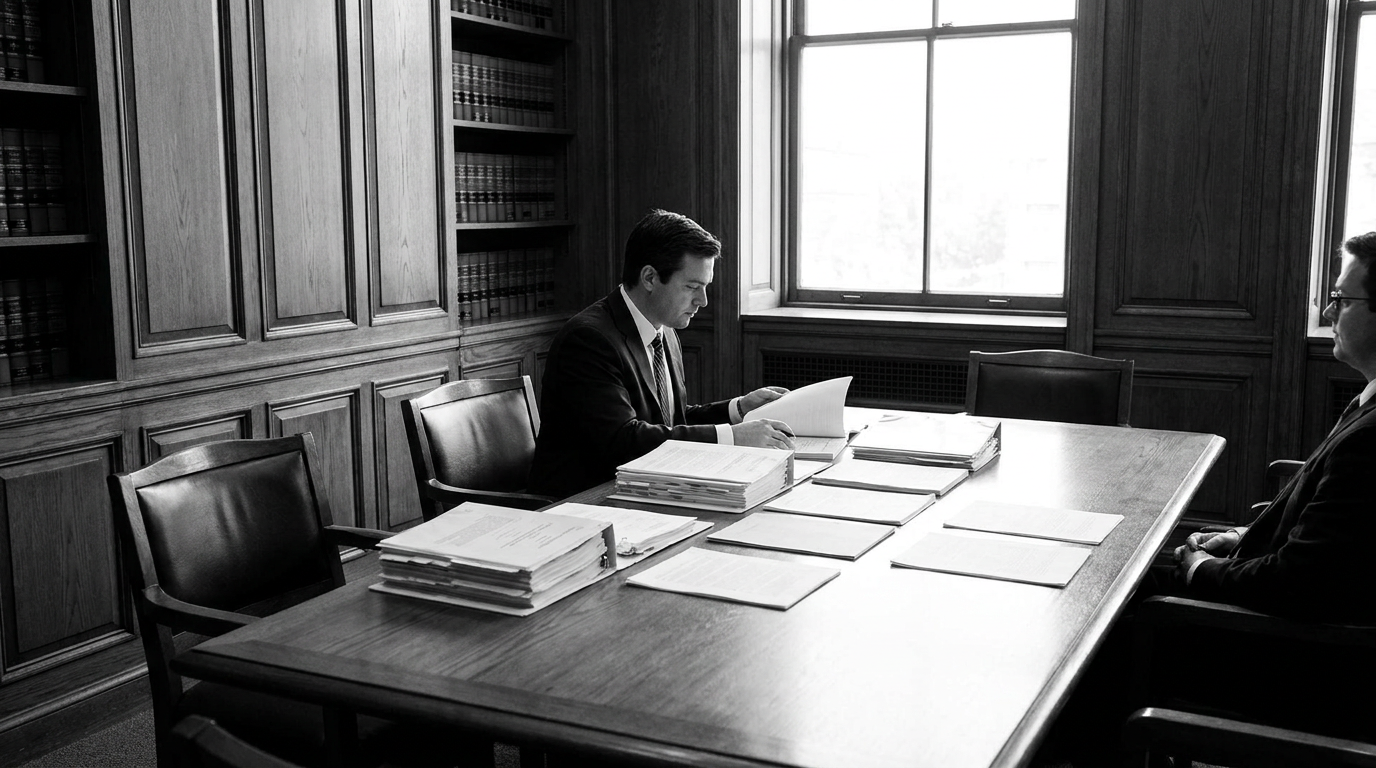
The U.S. Supreme Court has declined the National Football League’s bid to compel arbitration in former Miami Dolphins head coach Brian Flores’ racial discrimination lawsuit. The decision keeps the case in federal court and moves it into judge-supervised discovery. The procedural ruling marks a pivotal moment in a closely watched challenge to the league’s hiring practices. Lawyers for both sides will now begin exchanging evidence and arranging sworn testimony.
Flores alleges that the NFL and several of its teams engaged in discriminatory hiring practices against Black coaches. His complaint contends that qualified Black candidates have been systematically overlooked for head-coaching and senior positions. With arbitration off the table for now, the case will proceed under the Federal Rules of Civil Procedure, where court oversight governs how evidence is gathered and disputes are resolved.
Discovery typically includes the production of documents, emails and other internal records, as well as depositions of witnesses and decision-makers. In this matter, the scope is expected to reach league and club employment records and communications relevant to hiring decisions. The parties can seek materials they believe will support or refute claims of discrimination, subject to court rulings on privilege and relevance.
The Supreme Court’s refusal to intervene at this stage means the merits of the allegations will be tested in a public forum rather than a private arbitration setting. That distinction is significant: discovery in federal court can create a detailed record for the judge and, potentially, a jury to evaluate. It can also shape pre-trial motions and influence whether the parties consider settlement.
Discovery scope in Flores v. NFL
Internal records and depositions
Court-supervised discovery may include internal hiring policies, candidate evaluation materials and correspondence tied to coaching searches. Depositions could involve current and former league or team officials, providing sworn accounts of how hiring decisions were made and documented. Any such material, once admitted into the record, could clarify patterns across multiple hiring cycles.
Because discovery unfolds under judicial oversight, disputes about scope or confidentiality are handled through formal motions and orders. Judges can limit or expand requests, set deadlines and require protective measures to safeguard sensitive information while preserving each side’s ability to build its case.
Litigation timeline and potential outcomes
Scheduling orders and trial path
With discovery opening, the court is expected to set schedules for exchanging documents and conducting depositions. The process can be extensive and may run in stages, with interim status conferences to resolve disagreements and keep the case moving. Both sides will marshal evidence, identify key witnesses and prepare for potential pre-trial motions based on the record assembled.
Discovery outcomes often influence settlement discussions, but if no agreement is reached, the case can proceed to a full trial. The evidence developed in this phase will drive how the court evaluates the claims and defenses and will determine whether a jury ultimately hears the dispute.
The league’s response to discovery requests and the scope of evidence admitted will shape the broader conversation about NFL hiring practices. The next developments to watch are the court’s scheduling orders, early discovery rulings and what the parties’ filings reveal about the evidence they intend to present.