Proportional Representation Poses Stability Risks for UK Governance
Adopting proportional representation in the UK risks legislative fragmentation, government instability, and the erosion of direct constituent accountability…
Lauren Collins ·
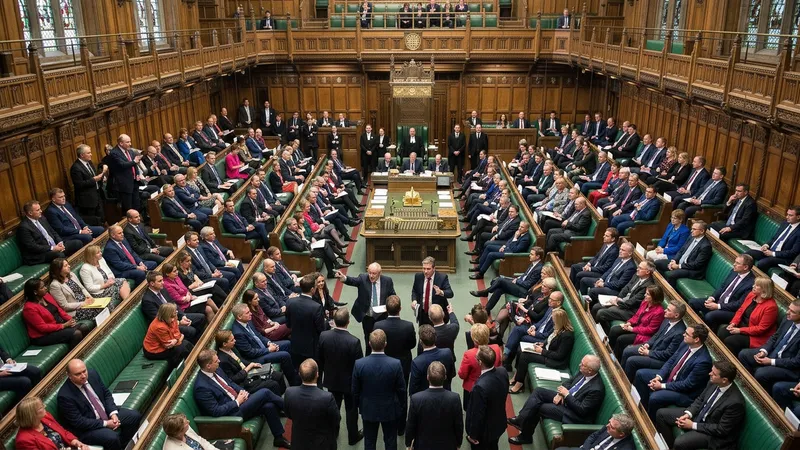
A transition to a proportional representation (PR) voting system in the United Kingdom carries notable risks for executive stability and party cohesion, according to analysis. Such a shift frequently leads to fragmented legislatures, necessitating coalition governments that may struggle to maintain long-term policy consistency.
Legislative Fragmentation Concerns
Historical examples from other nations indicate that proportional representation can weaken the direct accountability between members of parliament and their local constituencies. The system's reliance on coalition-building can also grant disproportionate influence to minor parties, potentially diminishing the mandate of larger political organizations.
For the Labour Party specifically, moving away from the existing first-past-the-post system could foster internal factionalism. This contrasts with the centralized policy adaptation typically observed under the current framework. The potential for party splintering could undermine institutional effectiveness and the ability to uphold a unified national platform.
Policy Consistency Challenges
Policymakers must carefully assess the perceived advantages of Policymakers must carefully assess the perceived advantages of broader representation against the documented challenges of legislative gridlock and reduced governmental stability. The debate highlights a tension between achieving greater electoral fairness and preserving a robust, consistent governance structure.
The experience in countries like Italy, where proportional systems have led to unstable, ineffective governments and reduced direct accountability, serves as a point of comparison for the potential impacts on the UK political landscape.