Trump Sues US Government for $10 Billion Over Tax Leaks
Former President Trump is suing the U.S. government for $10 billion over alleged tax return leaks, raising ethical and legal questions.
Lauren Collins ·
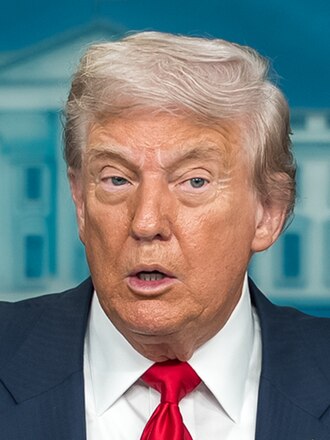
Former U.S. President Donald Trump has initiated legal action against the U.S. Treasury Department and the Internal Revenue Service (IRS), seeking at least $10 billion in damages. The lawsuit, filed on March 13, 2026, alleges that the unauthorized disclosure of his federal tax returns during his first presidential term caused "irreparable harm" to his family and business interests.
The legal complaint specifically targets the U.S. government for the leak, which was reportedly carried out by former IRS contractor Charles Littlejohn. Littlejohn is currently incarcerated following his conviction related to the unauthorized release of tax information belonging to high-profile individuals.
Legal Action and Allegations
Mr. Trump's lawsuit represents a notable legal maneuver, as it involves a former head of state suing federal agencies that were under his executive authority. The core of the claim centers on the alleged violation of privacy and the financial and reputational damage resulting from the public dissemination of his confidential tax data.
The former president's legal team contends that the government bears responsibility for the actions of its contractor, leading to the significant financial claim. This action follows previous reports of Mr. Trump seeking substantial compensation from other government entities, indicating a broader strategy of pursuing legal remedies against federal institutions.
Ethical and Precedent Concerns
Legal experts and government oversight organizations, such as Common Cause, have voiced concerns regarding the ethical dimensions of a former president suing agencies he once oversaw. They highlight the potential for conflicts of interest, particularly if such a lawsuit were to proceed while an individual held presidential office, raising questions about the use of taxpayer funds for settlements.
Historically, instances of former U.S. presidents suing the federal government have been rare and typically occurred after their terms concluded. For example, Richard Nixon's 1974 lawsuit against the government concerned presidential papers and did not involve financial compensation, setting a different precedent than the current action.
Broader Implications for Governance
This lawsuit underscores a unique legal strategy that challenges established norms concerning presidential conduct and government accountability. While the right to seek redress for leaked personal information is generally recognized, the specific circumstances of this case introduce complex ethical and governance considerations.
The outcome of this litigation could establish new precedents regarding the liability of government agencies for contractor actions and the parameters of legal recourse available to former high-ranking officials. It also brings into focus the ongoing debate surrounding the privacy of tax information for public figures and the mechanisms for its protection.
Outlook and Market Relevance
The legal proceedings are expected to be protracted, with significant scrutiny from both legal and political observers. The financial markets will likely monitor developments, particularly concerning any potential impact on government spending or legal frameworks related to data security and executive privilege.
The case's resolution could influence future interactions between former presidents and federal institutions, potentially shaping the landscape of government oversight and accountability.
Implications
Country Impact: The lawsuit could set new precedents for government liability regarding data leaks and the legal recourse available to former high-ranking officials. It also raises ethical questions about conflicts of interest when a former president sues agencies they once oversaw.
Industry Impact: The legal sector will closely watch this case for its implications on government contractor accountability and data privacy regulations. It may influence how government agencies manage sensitive information and the legal protections afforded to individuals whose data is compromised.
Market Impact: While direct market impact is limited, the case could indirectly affect investor confidence in government data security. Any large settlement could also draw attention to potential fiscal implications, though this is a long-term consideration.