9/11 Attacks: Remembering Lost Art Amid Human Tragedy
Twenty-five years after the 9/11 attacks, the immense human tragedy is remembered, alongside the significant but often overlooked destruction of numerous…
Ayla Demirhan ·
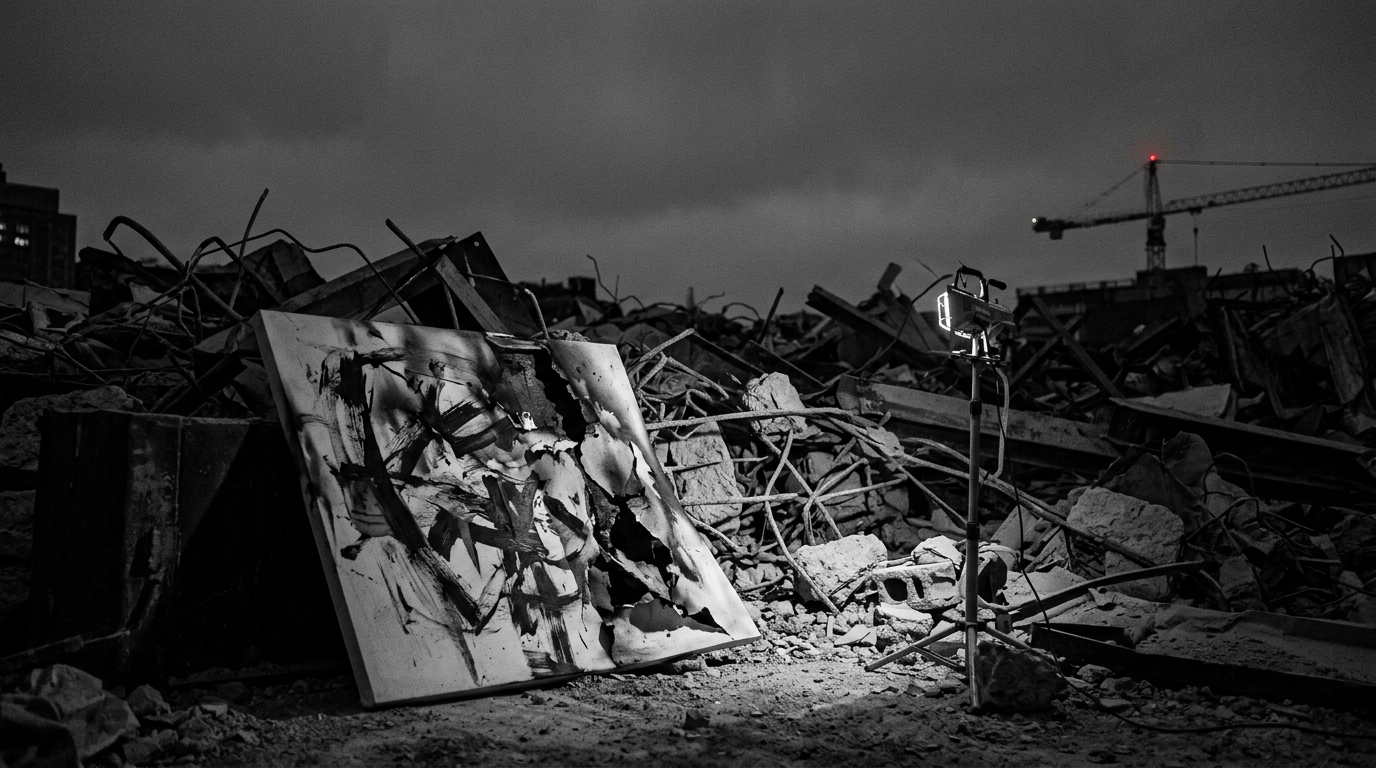
Twenty-five years after the September 11, 2001, attacks, the human cost remains the central focus, with nearly 3,000 lives lost in the World Trade Center collapse. While acknowledging this profound tragedy, the destruction also encompassed a significant loss of art, an aspect often overshadowed by the immense human toll.
Artworks Lost in the World Trade Center
The World Trade Center towers' collapse destroyed numerous artworks housed within the complex. These pieces, ranging from large-scale installations to individual paintings and sculptures, formed part of corporate collections, public art programs, and private holdings within the buildings.
Cultural Impact of the Destruction
The loss of these artworks creates a permanent void in the cultural landscape, erasing a segment of artistic heritage. While not comparable to the human tragedy, this destruction of art signifies a broader impact on collective memory and cultural expression, affecting artists, collectors, and the public.
Preserving Memory Through Documentation
Efforts to document and remember the lost art have emerged, acknowledging this cultural devastation. Cataloging the vanished pieces helps preserve their memory and provides a record of the artistic environment that once existed within the World Trade Center complex.
Future of Public Art in Urban Spaces
The events of 9/11 prompted a re-evaluation of security measures and disaster preparedness for public art installations in major urban centers. This shift influences how new artworks are commissioned, sited, and protected within high-risk environments, balancing accessibility with resilience.
Global Macro Picture: Cultural Heritage Protection World Trade Center The destruction of cultural assets in events like 9/11 contributes to a broader global discourse on protecting heritage sites and artworks during conflicts or disasters. International bodies and national governments increasingly focus on strategies to safeguard cultural property, recognizing its intrinsic value and role in societal identity. Scenario Outlook: Valuing Vulnerable Art Collections If urban development continues to concentrate valuable art collections in high-density areas, the risk of significant cultural loss from unforeseen events remains elevated, prompting calls for diversified storage and enhanced protective measures. Conversely, if public and private entities prioritize decentralized art placement and advanced structural resilience, future catastrophic events might see a reduced impact on cultural assets, influencing insurance markets and architectural design standards for cultural institutions.